Meaningful Historical Fiction for Adults
Introduction: The Past Taken Seriously
There is historical fiction that entertains, and there is historical fiction that takes the past seriously enough to change the reader. This list is for the second kind: novels that enter their eras from inside, that trust the reader with the past’s full weight, and that ask the questions the era raises - survival, justice, power, love under constraint - without softening them. These are books for adult readers who want the past as a world to be lived in, not a backdrop to be admired.
The Court and the Power
The novels of power are the most demanding of the form, and the most rewarding: they enter the minds of the people who made history’s decisions.
Wolf Hall by Hilary Mantel (2009) is the essential modern masterpiece: Thomas Cromwell’s rise at the court of Henry VIII, told from inside the head of the man who engineered the king’s will - the dissolution of the monasteries, the fall of Anne Boleyn, the remaking of England. Mantel won the Booker Prize for this novel and its sequel Bring Up the Bodies, and no historical novel has done more to enter a historical mind. Content note: deals with political violence, executions and the era’s cruelty; for readers from around age sixteen upward.
I, Claudius by Robert Graves (1934) is the essential companion from the ancient world: the autobiography of the stuttering Claudius, who survives the murderous imperial family of Augustus and Tiberius to become emperor - history as told by its most unlikely survivor, with the court’s cruelty rendered with dry wit. Content note: deals with the era’s political violence; for readers from around age sixteen upward.
Memoirs of Hadrian by Marguerite Yourcenar (1951) is the essential companion in the reflective register: the Roman emperor Hadrian’s imagined autobiography, written from the end of his life - the most literary of the ancient-world novels, and the one that most fully enters a historical mind without bloodshed. Content note: a reflective novel, with the era’s sexuality handled maturely; for readers from around age seventeen upward.
The Wars and Their People
The war novels for adults share a quality: they are not about battles but about the people the war carried, and they trust the reader with the war’s full weight.
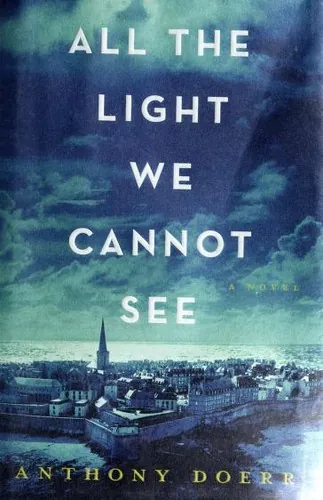
All the Light We Cannot See by Anthony Doerr (2014) is the essential literary war novel: Marie-Laure, a blind French girl, and Werner, a German boy who builds radios, converge on a French town during the occupation - a novel of breathtaking craft that won the Pulitzer Prize. Content note: deals with war and occupation; for readers from around age fifteen upward.
The Nightingale by Kristin Hannah (2015) is the essential companion in the gripping register: two sisters in occupied France - one who endures, one who fights - and the war that tests both to their limits. It is the war novel most often recommended by readers to readers. Content note: includes wartime violence, including sexual violence; for mature readers.
The Remains of the Day by Kazuo Ishiguro (1989) is the essential companion about the war’s other cost: Stevens, the English butler, remembers his life of service across the decades - the novel of the man who gave his loyalty to a master who served the wrong side, and the quiet devastation of a life devoted to the wrong thing. Content note: a quiet novel of regret; for readers from around age sixteen upward.
The Empires and the Colonized
The most serious historical fiction of recent decades has turned to the empires - and to the people the empires silenced.
The Poisonwood Bible by Barbara Kingsolver (1998) is the essential novel of the missionary empire: a Baptist family in the Belgian Congo in 1959, told through the five women of the family - the novel of the West’s arrival in Africa, and of the damage done with good intentions. Content note: deals with colonialism, illness and the era’s violence; for readers from around age sixteen upward.
Half of a Yellow Sun by Chimamanda Ngozi Adichie (2006) is the essential novel of the modern African war: the Biafran war through the lives of a university lecturer, his partner and the boy who works for them - the novel of a war the world half-forgot, told by a writer who made it unforgettable. Content note: deals with war, starvation and violence; for mature readers.
The Resistance and the Quiet Endurance
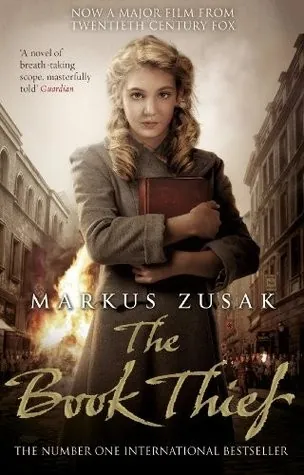
Beyond the courts, the wars and the empires, the meaningful register has two more branches worth naming. The resistance novels tell the war from the side of the people who refused: The Book Thief by Markus Zusak (2005), narrated by Death, is the resistance of the child who steals books under the Nazis; Suite Française by Irène Némirovsky (2004) is the resistance of the writer who recorded the occupation as it happened - Némirovsky wrote it in occupied France and was deported before she could finish. The quiet-endurance novels tell the past without battlefields: The Remains of the Day by Kazuo Ishiguro (1989) is the war’s other cost, the butler who gave his loyalty to the wrong side; Atonement by Ian McEwan (2001) is the novel of a lie and its long cost across the war years - the book that asks what a false accusation does to lives. These are the books for readers who want the war’s moral weight without the battles, and they connect the meaningful register to the deepest questions of the form.
Themes and Values That Make Them Meaningful
What separates the meaningful from the merely entertaining is a consistent set of commitments.
The era entered from inside. The meaningful novel does not judge the past from the present’s height; it enters the era’s beliefs and constraints and shows the past’s people as people of their time. The reader is trusted to judge.
The full weight carried honestly. The meaningful novel does not flinch from the war, the court’s cruelty or the empire’s damage - and it does not use them for sensation either. The weight is carried because the subject requires it.
The questions brought home. The meaningful novel never stays in the past: the questions of loyalty, power, survival and justice that the era raises are the reader’s questions, and the past becomes a mirror. Our thoughtful guide to historical fiction develops these themes, and our guide to ethical leadership connects the courts and the empires to the present’s questions of power.
How to Choose Your Next Serious Read
If you want the mind of power, start with Wolf Hall and move to I, Claudius.
If you want the war’s people, start with All the Light We Cannot See, then The Nightingale.
If you want the quiet devastation, start with The Remains of the Day.
If you want the empires and their cost, start with The Poisonwood Bible, then Half of a Yellow Sun.
If you want the reflective ancient world, start with Memoirs of Hadrian.
Content Notes: What These Books Contain
The meaningful register trusts the reader with the past’s weight, and the content notes are accordingly honest. Wolf Hall and I, Claudius deal with political violence and execution; The Nightingale, The Poisonwood Bible and Half of a Yellow Sun deal with war and its sexual and physical violence; The Remains of the Day is quiet, dealing with regret; Memoirs of Hadrian is reflective, with the era’s sexuality handled maturely. None are gratuitous - the weight is the subject - but these are adult novels for adult readers. For the same eras in a gentler register, our family-friendly historical fiction offers the door, and our biography books for adults offers the true stories behind the fiction.
A Reading Plan for the Serious Reader
The meaningful register rewards pairing. Read Wolf Hall with I, Claudius and compare the two courts and the two survivors; read All the Light We Cannot See with The Nightingale and compare the two literary wars; read The Poisonwood Bible with Half of a Yellow Sun and compare the two colonial and postcolonial worlds. The historical fiction themes and values guide offers structured questions for any pairing, and the books themselves - read in company - become the conversation.
The Value of the Serious Read
There is one more thing worth saying about the meaningful register, and it is about what the serious reader gets in return. The meaningful historical novel asks more of the reader than the entertaining one: it requires the patience to enter a difficult era, the courage to carry its weight and the willingness to have one’s judgments tested. What it returns is proportionally greater: the reader who has lived inside Wolf Hall’s court or The Poisonwood Bible’s Congo comes back with a steadier sense of power, a fuller understanding of the past’s complexity and a deeper patience with the present’s own confusions. The serious register does not flinch, and neither, in the end, does the reader who has read it. That is the bargain of the form: give it your attention, and it will give you back a larger world.
Conclusion: The Past That Asks Questions
The meaningful historical novel is the form that trusts the reader: it enters the past from inside, carries its full weight and brings its questions home. It is for adult readers who want the wars, the courts and the empires as worlds to be lived in - and who are willing to be changed by what they find there. Start with the era that calls to you, read the notes, and let the past ask its questions. For the full collection of reading paths, start at the Worlds section of our site.