Book Recommendations
Explore our curated store of Amazon best sellers, essential reading, and top-rated books.
As an Amazon Associate, we earn from qualifying purchases.
100 results
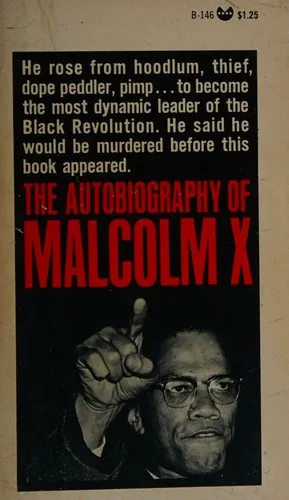
The Autobiography of Malcolm X
by
A candid, compelling life story in which Malcolm X traces his transformation from a youth marked by poverty, crime, and incarceration to a commanding public figure who challenged racial injustice and reshaped debates about dignity, self-determination, and political engagement. Direct, unflinching, and intellectually driven, it suits readers drawn to biography, courage, and personal growth.
The Read-Aloud Family
by
A practical, encouraging guide for parents and caregivers who want to make read-aloud time a central family habit. Sarah Mackenzie argues that reading aloud with children builds vocabulary, attention, and emotional connection, and she offers attainable routines, book-selection advice, and ways to keep reading through different ages. Suited to busy families seeking simple, lasting literacy habits.
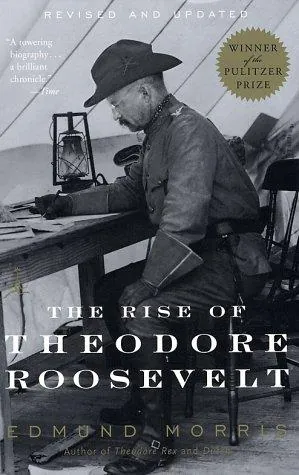
The rise of Theodore Roosevelt
by
Edmund Morris offers a vivid, deeply researched portrait of Theodore Roosevelt’s early years and rise to national leadership. The narrative illuminates how personal courage, restless energy, and a reforming vision shaped a forceful public life. Ideal for readers who appreciate biography and seek examples of ethical leadership, bold action, and the complexities behind influential character and decisions.
The Coddling of the American Mind
by
Greg Lukianoff argues that well-intentioned protective practices in parenting and higher education have left many young people less resilient, contributing to anxiety, intolerance of disagreement, and fragile campus climates. Combining psychological and cultural analysis with legal perspective, the book speaks to educators, parents, and anyone invested in protecting mental health while preserving robust debate and communal belonging.
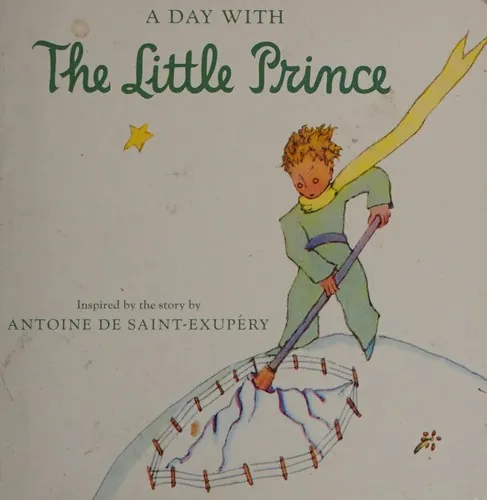
A day with the little prince
by
A Day with the Little Prince offers a gentle, poetic fable about a pilot whose chance encounter with a curious, otherworldly boy prompts reflections on love, responsibility, and the essentials of life. Through simple, lyrical storytelling and whimsical imagery, it invites readers who appreciate thoughtful children's literature, philosophical parables, or quiet meditations on friendship and meaning.
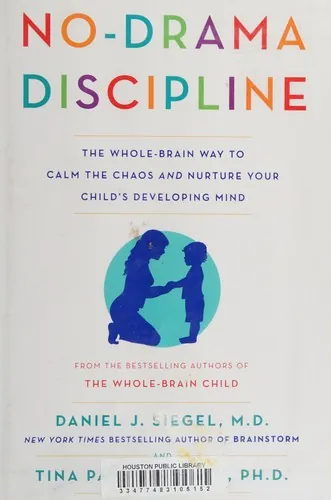
No-drama discipline
by
No-Drama Discipline presents a practical, research-informed way to handle misbehavior by treating discipline as teaching rather than punishment. Siegel draws on child development and brain science to show how calm connection, clear limits and consistent follow-through reduce conflict and promote self-control. The book offers accessible strategies for parents, caregivers and families managing responsibility at home.
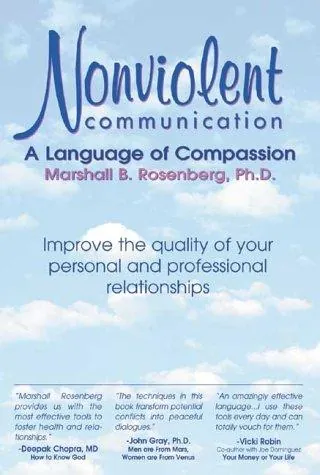
Nonviolent Communication
by
Nonviolent Communication by Marshall B. Rosenberg introduces a compassionate communication method that replaces blame and criticism with clear observations, honest expression of feelings and needs, and specific requests. Practical and accessible, it offers tools for resolving conflict, strengthening relationships, and fostering mutual respect. Suited for readers seeking kinder, more effective ways to listen, speak, and connect in personal or professional life.
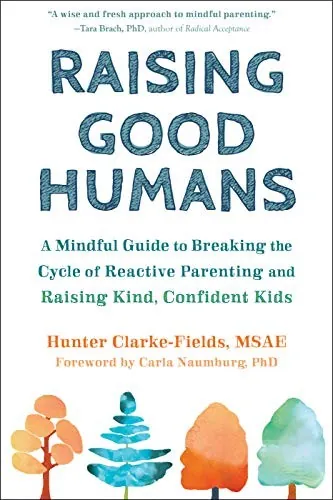
Raising Good Humans
by
Raising Good Humans offers parents a practical, mindfulness-based approach to raising compassionate, resilient children. Hunter Clarke-Fields argues that cultivating presence and emotional awareness—through short practices, communication strategies, and repair techniques—helps parents respond rather than react. Clear, compassionate, and hands-on, it suits caregivers seeking calmer routines, stronger family connections, and tools for modeling responsibility and kindness at home.

The 5 Love Languages Singles Edition
by
Gary Chapman adapts his classic five-love-languages framework for single readers, showing how understanding how you give and receive love clarifies needs, sets healthier boundaries, and improves dating, friendships, and family ties. Practical and accessible, it helps singles identify their emotional language and apply focused strategies to build more satisfying connections and prepare for committed relationships when ready.
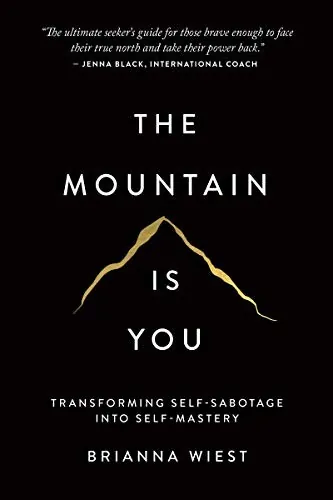
The Mountain Is You
by
The Mountain Is You reframes persistent self-sabotage as an opportunity for inner transformation, showing how fear, unresolved emotion, and reactive patterns create obstacles—and how to dismantle them. Brianna Wiest combines psychological insight with practical strategies for building self-discipline, establishing healthier habits, and cultivating emotional resilience. Suited to readers ready to replace old blocks with steady, intentional growth.
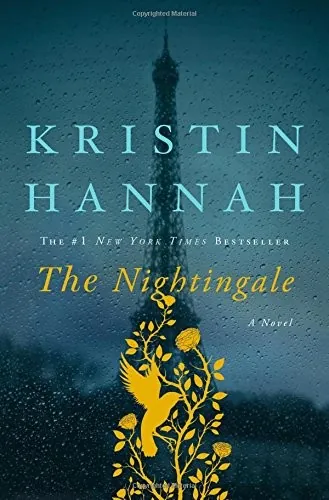
The Nightingale
by
Kristin Hannah's The Nightingale follows two French sisters whose lives diverge under German occupation. One risks everything to aid others in peril; the other struggles to protect her children and preserve a life under constant threat. Blending tense wartime drama with intimate family portraiture, it will appeal to readers who seek stories of courage, resilience, and the ties that sustain ordinary people.
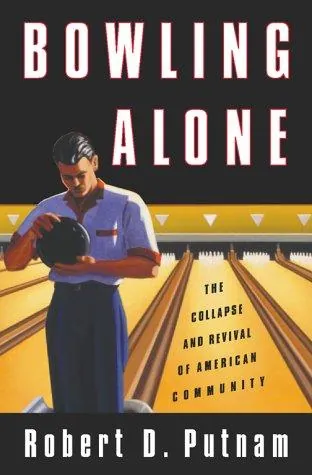
Bowling Alone
by
Bowling Alone argues that American social capital has eroded over the latter half of the twentieth century, evidenced by declining membership in clubs and civic participation. Putnam traces causes—changes in work, family, media and mobility—and warns of consequences for trust, democracy and community. Essential for readers curious about the fate of public life and practical strategies to rebuild stronger, more connected communities.
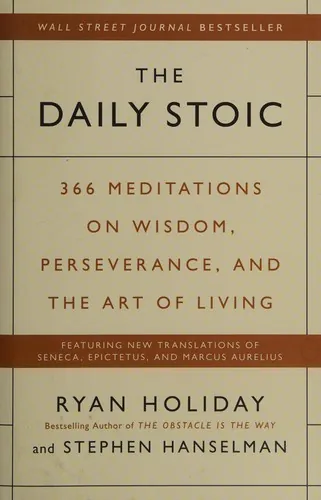
The daily stoic
by
The Daily Stoic offers short, practical reflections—one for each day of the year—rooted in Stoic thinkers like Marcus Aurelius, Seneca, and Epictetus. Ryan Holiday distills ancient wisdom into bite-sized meditations and actionable prompts to strengthen self-discipline, cultivate patience, and support steady personal growth. Ideal for readers seeking a structured daily practice to face challenges calmly and thoughtfully.
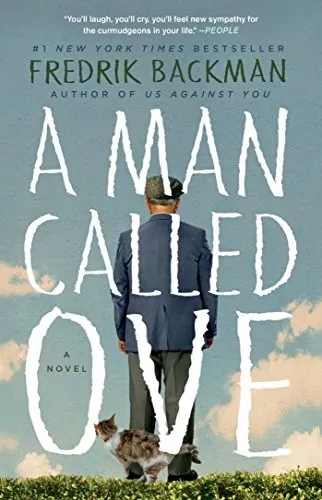
A Man Called Ove
by
A Man Called Ove follows a stubborn, solitary man whose strict routines and prickly exterior mask deep grief and longing. When new neighbors and a series of unexpected interruptions force him to engage with the neighborhood, his life quietly changes. Warm, wry, and humane, the novel suits readers who appreciate stories about community, unlikely friendships, and small acts of compassion.
Digital Minimalism
by
Cal Newport argues that constant digital engagement erodes focus and meaningful leisure, and proposes "digital minimalism"—an intentional, value-driven approach to technology. He guides readers through a month‑long digital declutter and practical strategies for selectively reintroducing apps and devices, offering ways to reclaim solitude, deeper attention, and richer analog habits. Ideal for readers seeking stronger self-discipline and sustainable habits.
The Book You Wish Your Parents Had Read
by
A clear, compassionate guide to parenting that links childhood experience with adult behaviour, urging parents to become more self-aware, emotionally present and attuned to their children. Philippa Perry draws on psychotherapeutic insight to offer practical ways to listen, set boundaries and repair ruptures. Suitable for new and seasoned parents, caregivers and anyone wanting healthier family relationships.
![Cover of The Count of Monte-Cristo [3/5]](/images/products/the-count-of-monte-cristo-alexandre-dumas.webp)
The Count of Monte-Cristo [3/5]
by
Alexandre Dumas's The Count of Monte-Cristo follows a wronged young man who reemerges under a new identity to pursue calculated retribution and moral reckoning. Combining adventure, mystery, and intimate psychological study, the novel probes justice, courage, and whether true redemption is possible. Ideal for readers drawn to sweeping narratives about moral complexity, resilience, and the limits of vengeance.
The fifth book of the Nicomachean ethics of Aristotle
by
In the fifth book of Aristotle's Nicomachean Ethics, Aristotle examines justice as the virtue that governs relations among people: what it means to give each person their due, how justice differs from other moral qualities, and its main forms—distributive, corrective and reciprocal—across law, exchange, and punishment. A clear, analytical work for readers of character, integrity, and fairness.
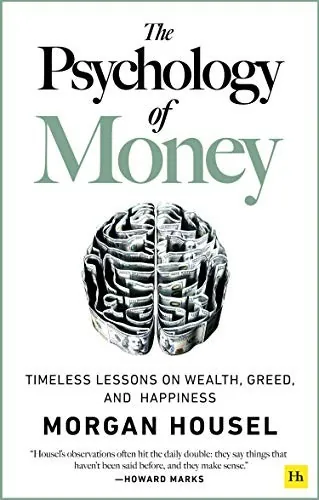
The Psychology of Money
by
An accessible guide to how human behavior shapes financial outcomes, Morgan Housel’s The Psychology of Money explores the emotional and cognitive forces—bias, luck, risk, patience—that influence saving, spending, and investing. Through short essays and real-world stories, it argues that sensible, humble habits and long-term thinking matter more than technical expertise, making it ideal for readers seeking practical wisdom about money and life decisions.

The Republic of Plato--Books I.-V.
by
Books I–V of Plato’s Republic stage Socratic dialogues that probe the meaning of justice by testing common assumptions and building an ideal city as a thought experiment. Through debates and designs for education, guardianship, and social roles, Plato links justice in the polis to harmony in the individual, appealing to readers of moral philosophy, civic theory, and ethical psychology.
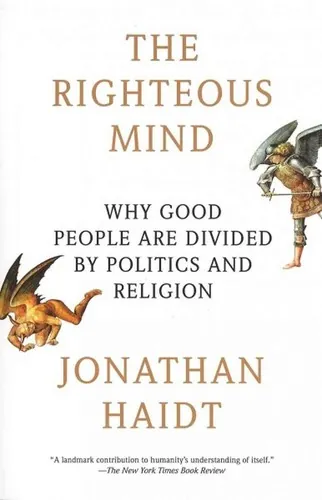
The Righteous Mind
by
Jonathan Haidt argues that moral judgment is driven largely by quick, automatic intuitions, with reason often serving to justify those feelings. Drawing on psychology, anthropology, and evolutionary thinking, he presents the moral foundations framework—care, fairness, loyalty, authority, and sanctity—to explain ideological divides and why groups bind around shared values. Suited to readers grappling with moral dilemmas and civic disagreement.
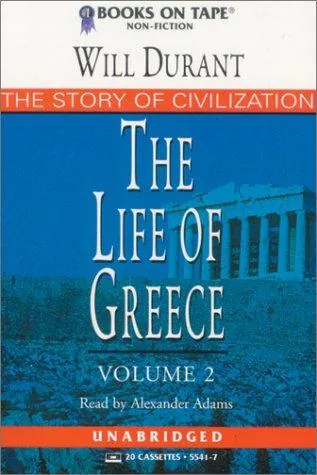
The Story of Civilization II
by
Will Durant's The Story of Civilization II offers a sweeping, readable account of ancient Greece, tracing the emergence of its politics, philosophy, literature, art, and civic institutions. Durant assesses how Greek thought and creative expression shaped public life and later Western traditions. Ideal for readers seeking a narrative synthesis of cultural achievement and intellectual origins rather than technical scholarship.
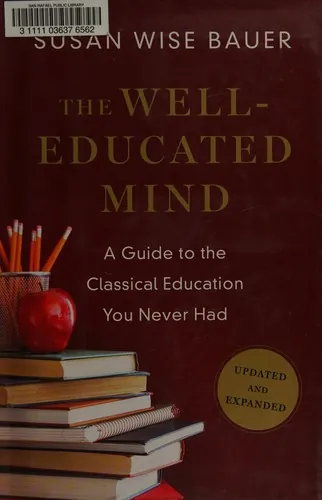
The well-educated mind
by
Susan Wise Bauer offers a practical guide to reading classic and influential works across genres, teaching readers how to approach difficult texts, take organized notes, and craft clear summaries. Suited to self-directed learners, parents planning family reading, and anyone wanting a structured program to deepen comprehension, think critically, and build a lifelong habit of thoughtful reading.
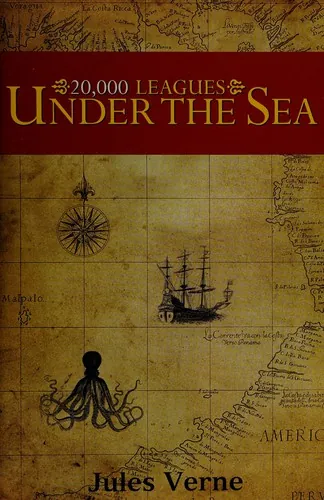
Twenty thousand leagues under the sea
by
Jules Verne's classic follows a scientific narrator and his companions compelled into an extraordinary voyage aboard the Nautilus, an advanced submarine commanded by the enigmatic Captain Nemo. Traversing vast underwater realms, the narrative blends vivid natural description, technological imagination, and moral ambiguity, and suits readers drawn to exploration, scientific curiosity, and stories of courage under pressure.

Alexander Hamilton
by
Ron Chernow's Alexander Hamilton is a sweeping, readable biography tracing the immigrant founder's rise from obscure origins to a commanding role in shaping the early American republic. Chernow portrays Hamilton's brilliance in finance, law, and policy alongside raw ambition and moral blind spots, offering a nuanced portrait for readers interested in leadership ethics, political rivalry, and the turbulent origins of U.S. institutions.
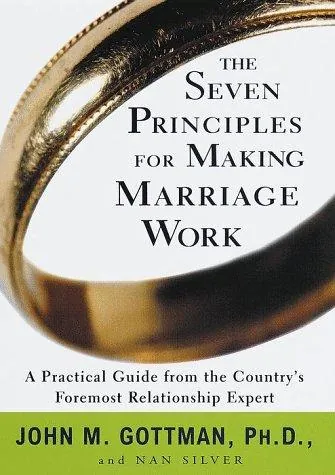
The seven principles for making marriage work
by
Grounded in decades of observational research, relationship scientist John Gottman presents seven practical principles that help couples strengthen friendship, manage conflict, and cultivate intimacy. Combining clear explanations with exercises, questionnaires, and real-life examples, the book guides partners to replace damaging patterns—such as criticism and stonewalling—with habits that foster respect, repair, and shared meaning. Suited to couples and clinicians seeking evidence-based guidance.
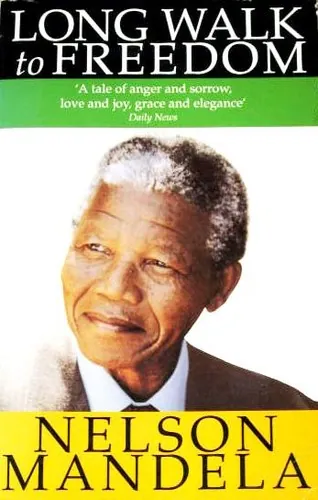
Long Walk to Freedom
by
Nelson Mandela’s Long Walk to Freedom is a candid autobiography tracing his path from rural beginnings and legal work to leadership in the struggle against South Africa’s racial system, including years of imprisonment and the negotiations that followed. It foregrounds moral courage, perseverance, and reconciliatory leadership, suited to readers interested in political struggle, justice, and personal resilience.
A history of the world in 100 objects
by
A History of the World in 100 Objects by Neil MacGregor arranges one hundred artefacts from the British Museum as compact essays that reveal broad currents of human experience. Each object—from everyday implements to striking works of art—serves as a lens on trade, technology, power, migration and creative exchange, ideal for readers curious about civilizations and cultural heritage.
How to talk so kids will listen & listen so kids will talk
by
A practical guide for parents and caregivers who want more cooperative, respectful relationships with children. Adele Faber offers communication techniques to defuse conflict, acknowledge strong feelings, set clear limits, and encourage problem‑solving. The book emphasizes simple, empathetic language and concrete strategies that help families replace punishments and nagging with collaboration and mutual understanding.
So Good They Can't Ignore You
by
So Good They Can't Ignore You argues that 'follow your passion' is unreliable career advice and that meaningful work springs from skill. Cal Newport promotes a craftsman mindset and deliberate practice to build rare, valuable abilities—what he calls career capital—and then use those skills to gain autonomy and purpose. Ideal for professionals, students, and lifelong learners focused on growth and responsibility.
The Scout Mindset
by
The Scout Mindset argues for thinking like a truth-seeking 'scout' rather than a defensive 'soldier'—prioritizing curiosity, honest appraisal, and updating beliefs in light of evidence. Julia Galef blends psychology and practical tools to help readers recognize motivated reasoning, improve calibration, and make better decisions. Suited for readers seeking intellectual integrity, clearer judgment, and methods to grow wiser in personal and public life.
The Travels of Ibn Battuta
by
The Travels of Ibn Battuta, retold by Tim Mackintosh-Smith, brings to life a medieval Moroccan traveler’s extraordinary journeys across North Africa, Sub-Saharan Africa, the Middle East, South Asia and China. Blending vivid narrative, astute cultural observation and scholarly context, Mackintosh-Smith makes these encounters accessible to readers fascinated by exploration, cross-cultural exchange, and the global connections of pre-modern worlds.
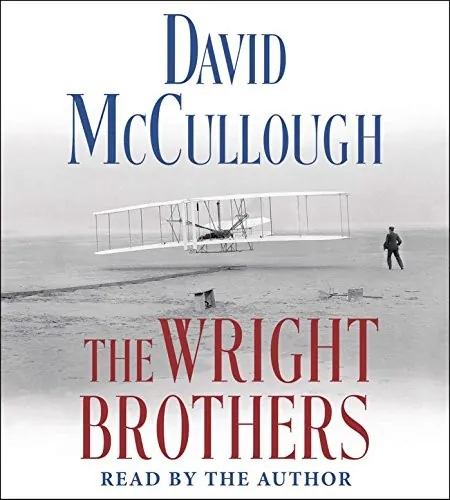
The Wright Brothers
by
David McCullough tells the story of Wilbur and Orville Wright, two self‑taught inventors who combined careful experiment, mechanical skill, and stubborn persistence to achieve controlled, powered flight. The biography traces their partnership, workshop practice, and the skeptical world they faced, offering a clear, human portrait for readers curious about invention, engineering history, and the temperament behind scientific breakthroughs.
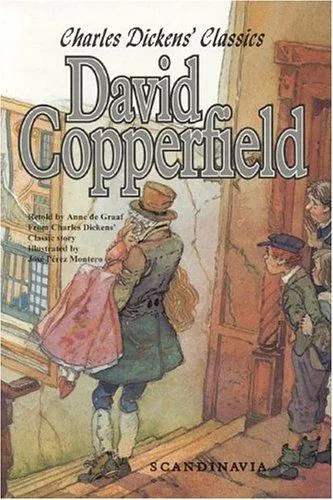
David Copperfield
by
David Copperfield follows its eponymous narrator from fragile childhood to hard-won adulthood, tracing the personal trials, relationships, and small triumphs that shape his character. Told in a vivid first-person voice and populated by memorable characters, the novel explores resilience, the long work of repairing family ties, and the pursuit of self-knowledge—ideal for readers drawn to emotional growth and restorative storytelling.
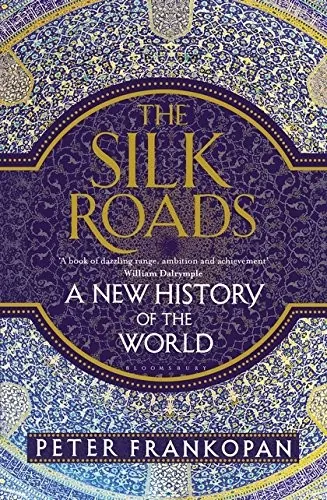
The Silk Roads
by
The Silk Roads reframes world history through the arteries of Eurasian trade, arguing that the exchange of goods, ideas and power along overland and maritime routes shaped civilizations and modern geopolitics. Frankopan's panoramic narrative connects cities, empires and merchants across continents; it suits readers curious about cultural exchange, historical networks and the longue durée of travel and discovery.
Around the World in Eighty Days
by
A brisk, inventive adventure by Jules Verne about Phileas Fogg, an exacting English gentleman who wagers he can circle the globe in eighty days. With his resourceful valet, he sets off on a tightly scheduled odyssey across continents, facing logistical hurdles and cultural encounters. A vivid blend of travel narrative, technological optimism, and quiet courage suited to readers who love classic world literature and daring exploits.
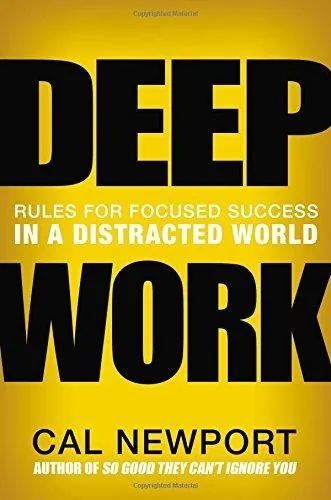
Deep Work
by
Cal Newport argues that deliberate uninterrupted concentration, which he calls deep work, is the rare skill that produces high-quality output and career advantage. He contrasts focused, cognitively demanding work with shallow, distracted tasks and offers concrete practices for cultivating deep work: scheduling long focus blocks, reducing digital interruption, and building reliable work rituals. Ideal for readers seeking stronger discipline.
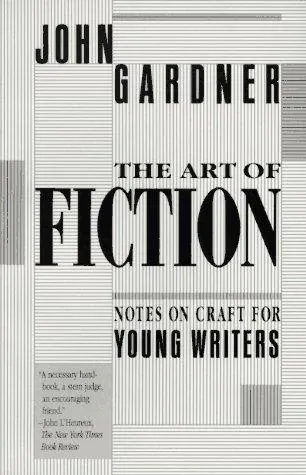
The art of fiction
by
John Gardner's The Art of Fiction is a rigorous guide to writing literary fiction that pairs concrete craft lessons with a case for fiction's moral and aesthetic aims. Gardner explores technique—voice, point of view, plot, character, and language—and urges disciplined attention to unity, vividness, and integrity. Ideal for aspiring novelists, teachers, and serious readers of literary fiction.
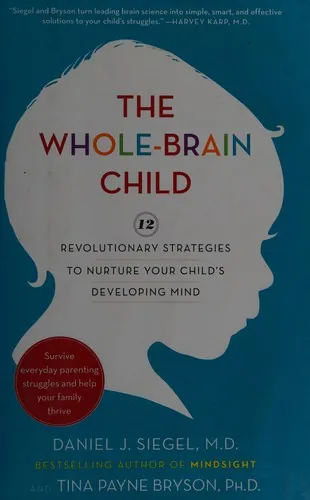
The whole-brain child
by
The Whole-Brain Child by Daniel J. Siegel translates developmental neuroscience into practical guidance for parents and caregivers. Using clear brain-based metaphors, it explains how to help children integrate emotion and reason, manage stress, and build resilience. Full of everyday strategies and conversational examples, it suits parents, teachers, and anyone guiding children through emotional and behavioral challenges.
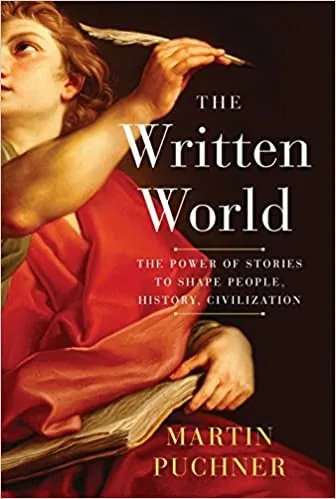
The Written World
by
In The Written World, Martin Puchner argues that writing and literary forms—from epic and drama to the novel and printed book—have been central forces in shaping cultures, institutions, and individual identities. Combining comparative literary history with cultural analysis, the book suits readers interested in how stories travel, transform societies, and form the backbone of education, heritage, and global literature.
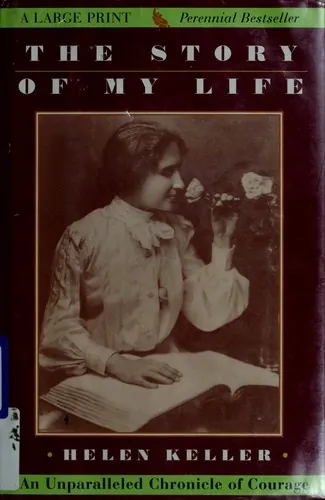
The story of my life
by
Helen Keller's The Story of My Life is a powerful autobiography tracing her journey from early childhood deafblindness to learning language and intellectual development with the help of her teacher, Anne Sullivan. It offers intimate insight into overcoming sensory isolation through perseverance, patient teaching, and emerging education—ideal for readers drawn to courage, resilience, and historical perspectives on learning.
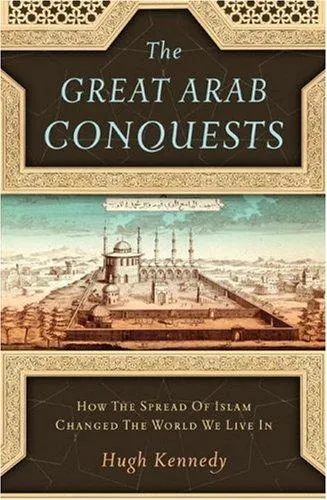
The Great Arab Conquests
by
Hugh Kennedy’s The Great Arab Conquests traces the rapid expansion from the Arabian heartlands across the Near East, Persia and North Africa, combining clear military narrative with analysis of leadership, strategy, logistics and administrative adaptation. It explains how newly forged polities gained and governed vast territories, and suits readers of medieval history, military studies and those interested in processes of state formation.
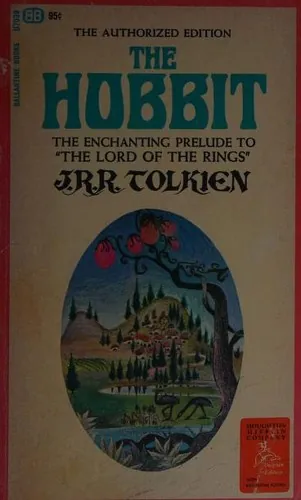
The Hobbit
by
The Hobbit follows an unassuming hobbit, Bilbo Baggins, who is swept into an unexpected journey with a company of companions. As he faces challenges that test his wit and courage, Bilbo grows in resourcefulness and discovers the power of loyal friendship. Warm, adventurous, and gently humorous, it suits readers who enjoy character-driven quests about bravery, camaraderie, and personal growth.
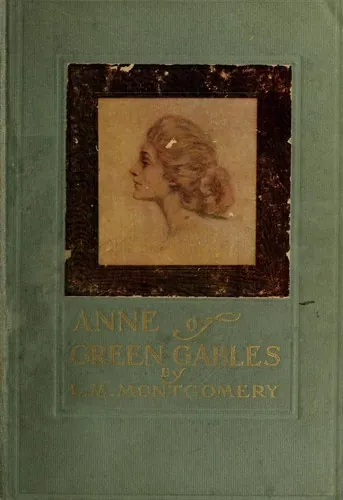
Anne of Green Gables
by
Anne of Green Gables follows an imaginative, talkative orphan girl mistakenly sent to elderly siblings who expected a boy. Settling into the close-knit village of Avonlea, she brightens lives with vivid imagination, earnest mistakes, and fierce loyalty. A warm coming-of-age tale, it suits readers who enjoy gentle humor, resilient optimism, and stories about friendship and belonging.
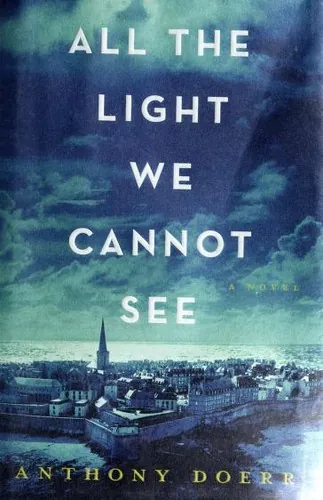
All the Light We Cannot See
by
All the Light We Cannot See follows the interwoven lives of a blind French girl and a German youth during World War II, exploring how small acts of bravery and human connection persist amid conflict. Lyrical and carefully observed, the novel suits readers who seek emotionally resonant wartime stories that emphasize courage, resilience, moral complexity, and the persistence of hope.
Les Misérables
by
Victor Hugo’s Les Misérables follows an ex-convict attempting to rebuild his life under rigid law and crushing social inequality, pursued by relentless authority. Through an expansive cast, the novel explores justice, mercy, compassion, and the possibility of personal renewal. Suited to readers drawn to moral dilemmas, human resilience, and sweeping social critique.
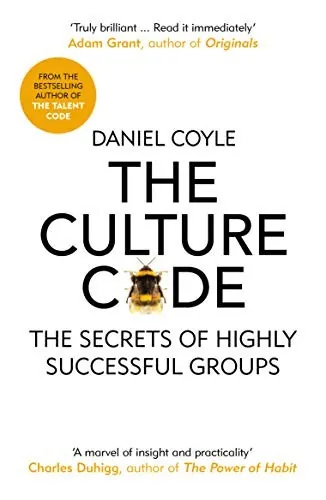
The culture code
by
Daniel Coyle shows how strong groups create trust, cooperation, and shared purpose by cultivating three core skills—building safety, sharing vulnerability, and establishing purpose. Through vivid stories from teams, classrooms, and organizations, he translates patterns into concrete behaviors and small practices leaders and members can adopt. Suitable for anyone focused on building belonging, healthier relationships, or leading with ethical clarity.
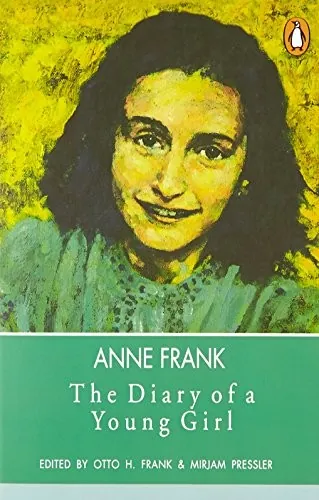
The Diary of a Young Girl- Anne Frank
by
The Diary of a Young Girl records the diary of Anne Frank, a teenager who hid with her family to escape persecution under the Nazi regime during the Second World War. Intimate, candid entries trace her coming-of-age amid confinement, fear, and small joys. Readers interested in wartime resilience, personal courage, and the persistence of hope will find a deeply human, immediate voice.
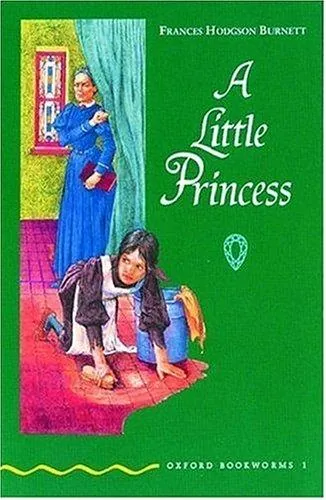
A Little Princess
by
A Little Princess follows Sara Crewe, a bright, imaginative girl sent to a London boarding school whose fortunes change and test her resolve. Through warmth and dignified restraint, Burnett shows how Sara preserves generosity, courage, and inner strength amid hardship. A timeless, compassionate tale for young readers and adults who value resilience, kindness, and quiet bravery.

The Abolition of Man
by
C. S. Lewis’s The Abolition of Man is a concise critique of modern moral education, arguing that subjectivism and the denial of objective values erode character and integrity. Written as three short essays, it defends universal moral principles (what Lewis calls the 'Tao') and warns that scientific power used without moral restraint could undermine what makes us human. Suited to readers interested in ethics, education, and moral dilemmas.
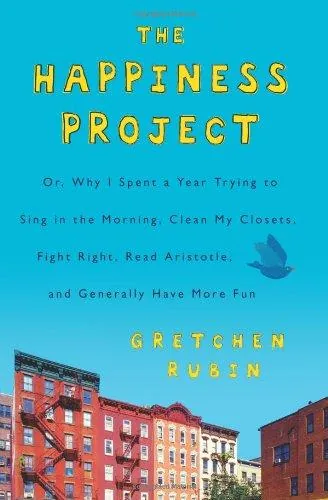
The happiness project
by
Gretchen Rubin chronicles a year-long experiment to boost everyday happiness by testing practical strategies, forming better habits, and rethinking priorities. Combining personal anecdotes with research and concrete resolutions, she presents a month-by-month plan that encourages small, sustainable changes. Suited to readers seeking actionable tools for joy, improved relationships, and disciplined personal growth.
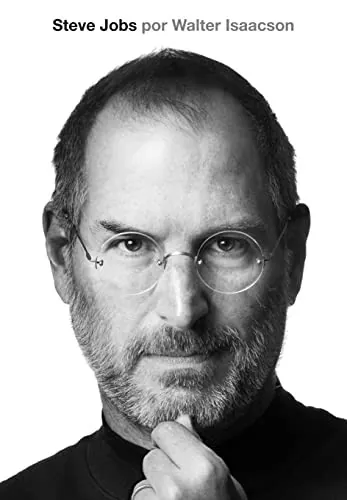
Steve Jobs
by
Walter Isaacson’s biography presents a vivid, balanced portrait of Steve Jobs as a visionary product designer, exacting leader, and complicated human being whose taste-driven approach reshaped computers, music, animation, and mobile devices. Drawn from extensive interviews with Jobs and people who worked with him, the book suits readers interested in creative entrepreneurship, leadership ethics, and the human dynamics behind technological innovation.
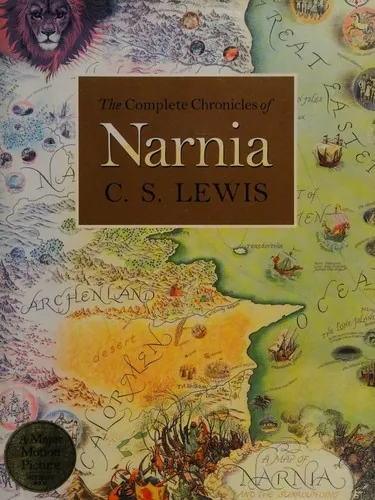
The Chronicles of Narnia
by
The Chronicles of Narnia is a classic fantasy series in which children from our world find themselves in the magical land of Narnia, facing moral trials and large-scale conflicts. Through adventures that test bravery, loyalty, and conscience, the books offer uplifting, character-driven stories about courage, the costs of struggle, and the possibility of repair and hope.
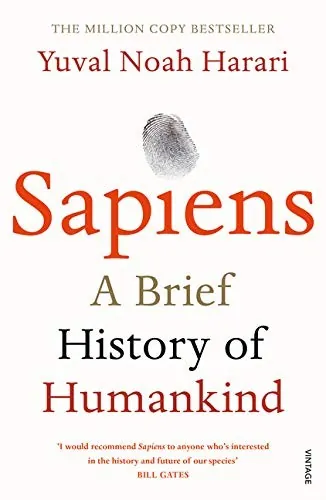
Sapiens
by
An ambitious popular history that traces Homo sapiens from forager bands to global powers, Sapiens argues our species' ability to create shared myths—imagined orders such as money, nations, and laws—enabled cooperation at scale. Accessible and interdisciplinary, it suits readers curious about cultural evolution, the accuracy and limits of historical narratives, and broad perspectives on knowledge and education.
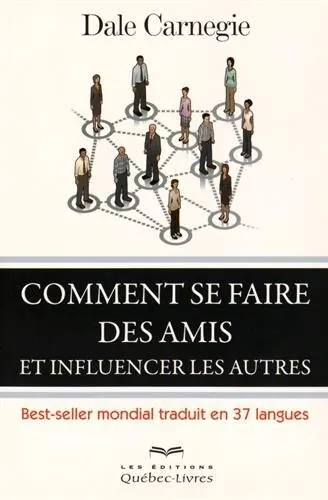
How to Win Friends and Influence People
by
Dale Carnegie’s classic guide to communication focuses on the practical habits that make conversations more constructive: listening with genuine attention, showing appreciation, avoiding needless conflict, and understanding what motivates other people. It suits readers who want to build warmer professional, family, and social relationships through tact and consideration.
Practising the Power of Now
by
Practising the Power of Now is a practical companion to Eckhart Tolle’s teachings on presence, offering concise exercises, reflections, and guided practices to help readers move from constant thinking into direct awareness. It focuses on recognizing the egoic mind and habitual suffering, cultivating patience, stillness, and a clearer sense of purpose—suitable for readers seeking steady personal growth and everyday mindfulness.
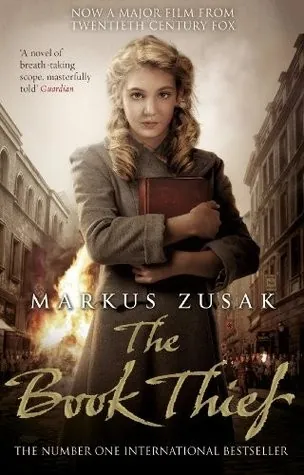
The Book Thief
by
Markus Zusak’s The Book Thief, narrated by Death, follows a young girl in Nazi Germany who discovers books and the power of words amid wartime hardship. Through theft, friendship, and quiet acts of courage she learns compassion and resilience. Poetic and emotionally sharp, it suits readers drawn to historical fiction exploring moral choice, human kindness, and the costs of conflict.
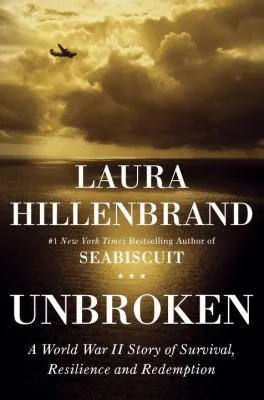
Unbroken
by
Unbroken tells the true story of Louis Zamperini, an Olympic runner whose life is reshaped by service in World War II. After surviving a catastrophic plane incident and extreme time adrift, he endures brutal treatment as a prisoner of war. Hillenbrand’s vivid, deeply reported narrative explores courage, trauma, and the stubborn will to survive—ideal for readers interested in resilience and wartime heroism.
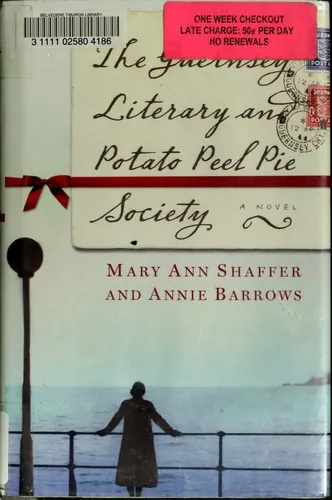
The Guernsey Literary and Potato Peel Pie Society
by
An epistolary novel about Juliet Ashton, a London writer who begins corresponding with residents of Guernsey after WWII. Through letters she discovers a book club formed during the German occupation and is drawn into their lives. Warm, witty, and compassionate, the story explores friendship, moral complexity, and the restorative power of reading—ideal for readers of wartime human drama and literary fiction.

Guns, Germs, and Steel
by
Jared Diamond's Guns, Germs, and Steel argues that geography, ecology, and available plant and animal domesticates—not innate differences among peoples—shaped the unequal development of human societies. Combining biology, archaeology, and geography, it traces how agriculture, technology, and epidemic diseases spread, producing advantages in state formation and conquest. Best for readers curious about long-term drivers of civilizations.
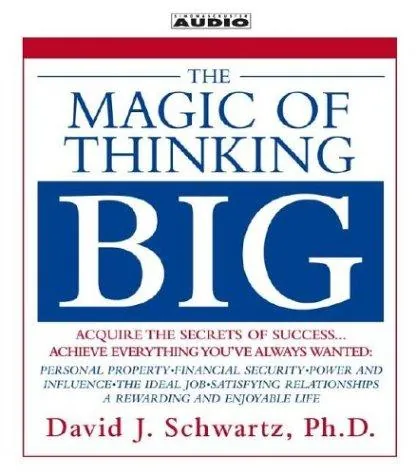
The Magic of Thinking Big
by
David J. Schwartz challenges readers to expand their expectations and habits to achieve greater personal and professional success. Combining practical advice on goal-setting, confidence, decision-making, and leadership, the book offers straightforward techniques for overcoming fear and self-doubt. Ideal for readers seeking actionable encouragement to build courage, boost motivation, and develop the mindset and behaviors that lead to bigger results.
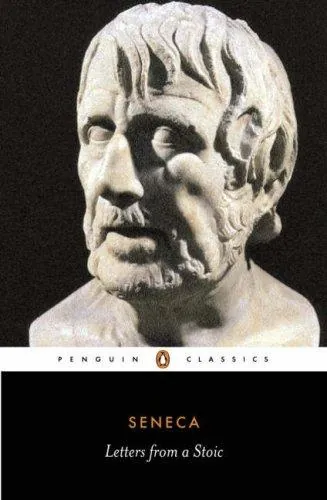
Letters from a Stoic
by
A collection of moral letters by Seneca offering practical Stoic guidance on living well. Addressed to his friend Lucilius, the essays explore virtue, self-control, managing anger and grief, and finding tranquility amid fortune’s changes. Concise, rhetorical and direct, the work suits readers seeking clear ethical counsel and tools for cultivating patience, resilience, and wiser everyday choices.
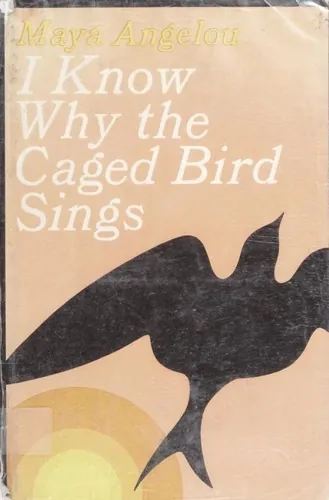
I Know Why the Caged Bird Sings
by
Maya Angelou’s I Know Why the Caged Bird Sings is a lyrical coming-of-age memoir that follows her childhood and early adolescence as she confronts racism, personal trauma, and the search for identity. Through candid scenes and evocative language, Angelou traces how community, literature, and inner courage help her reclaim voice and dignity—suited to readers seeking stories of resilience and personal growth.
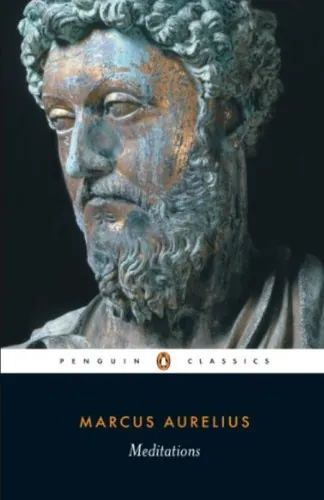
Meditations
by
Meditations gathers the private reflections of Roman emperor Marcus Aurelius, offering clear, practice-oriented insights rooted in Stoic thought. Written as short entries and reminders, it trains attention on inner discipline, steady judgment, acceptance of what we cannot control, and patient endurance of hardship. Ideal for readers seeking to build character, steady habits, and calm resilience amid daily pressures.
The Art of War
by
Sun Tzu’s The Art of War is an ancient Chinese treatise on strategy offering concise, practical guidance for leaders. Framed as a manual of planning, deception, intelligence, and disciplined command, it argues for decisive, economy-driven action and safeguarding resources. Suited to readers interested in ethical leadership, duty, and the disciplined pursuit of knowledge and strategic judgment.
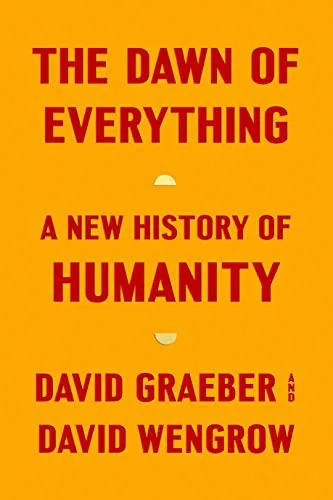
The Dawn of Everything
by
The Dawn of Everything rethinks human history by challenging the idea that civilization followed a single, inevitable path from primitive egalitarianism to centralized states. Drawing on archaeology and anthropology, it argues that early peoples experimented with many forms of social and political life. For readers curious about civilizations, education, and historical accuracy, it offers a provocative, evidence-driven challenge to familiar origin stories.
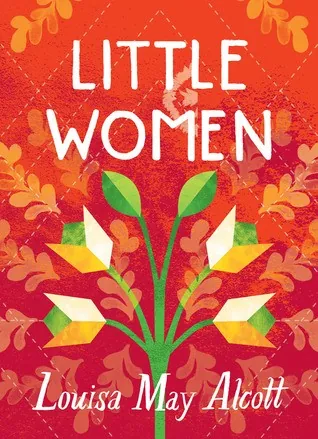
Little Women
by
Little Women follows four sisters—the warm, responsible Meg; headstrong, ambitious Jo; gentle Beth; and artistic Amy—growing up in a New England household as they navigate family responsibilities, personal ambitions, and the pressures of society. A tender coming-of-age novel about sisterhood, moral growth, and the balance between duty and self-expression, it will appeal to readers who appreciate intimate family stories and positive moral themes.
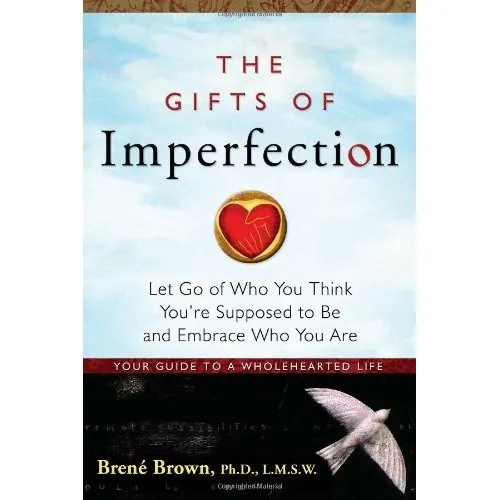
The Gifts of Imperfection
by
In The Gifts of Imperfection, Brene Brown argues that embracing vulnerability and letting go of perfectionism are essential to living wholeheartedly. Combining social-research insights with personal reflection, she lays out practical guideposts and exercises for cultivating self-compassion, resilience to shame, and authentic joy. Suited to readers seeking more happiness, hope, and steady personal growth.
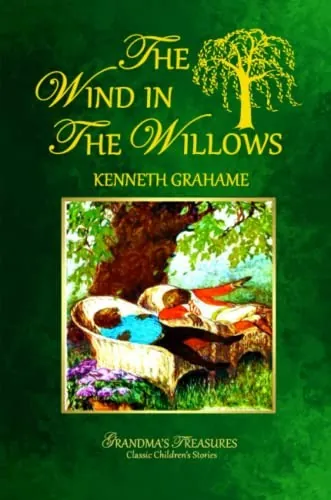
The Wind in the Willows
by
A pastoral classic that follows a small circle of anthropomorphic animals—Mole, Rat, Badger and the impulsive Toad—as they navigate home, friendship and the lure of adventure. Kenneth Grahame blends gentle humor, lyrical nature writing and episodic storytelling to explore loyalty, comfort and courage. Suited to family reading and readers who enjoy warm, character-driven tales of companionship.
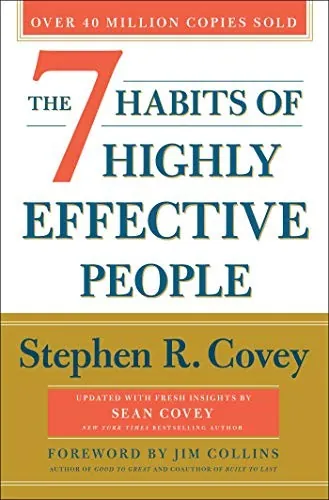
The 7 Habits of Highly Effective People
by
Stephen R. Covey presents a practical, principle-centered framework for personal and professional effectiveness built around seven habits. Combining mindset shifts—like proactivity and beginning with the end in mind—with interpersonal practices—like thinking win-win and empathetic listening—the book suits readers seeking to strengthen character, build disciplined habits, and take responsibility for lasting change in work and relationships.
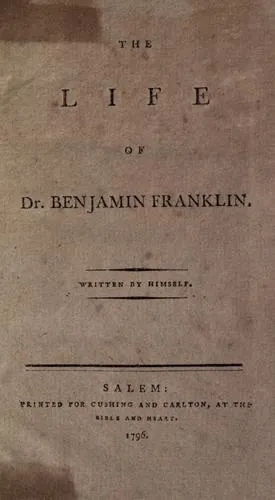
The Autobiography of Benjamin Franklin
by
Part memoir, part practical guide, The Autobiography of Benjamin Franklin follows Franklin’s rise from apprentice printer to influential public figure, tracing his curiosity-driven experiments, civic initiatives, and methodical pursuit of self-improvement. Written in a plain, conversational voice, it highlights practical habits, thrift, and lifelong learning—suited to readers interested in biography, disciplined routines, and intentional personal growth.
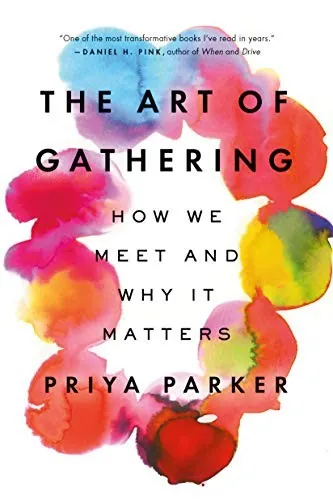
The Art of Gathering
by
Priya Parker argues that gatherings—from dinner parties to staff meetings and community events—succeed when intentionally designed with a clear purpose. The Art of Gathering offers practical guidance for hosts and organizers who want to shape authentic, memorable encounters that foster connection, belonging, and stronger friendships. Recommended for anyone seeking better ways to bring people together with meaning and care.
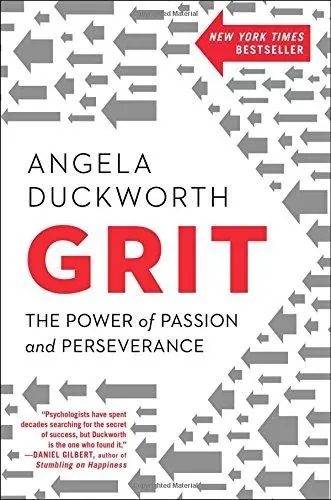
Grit
by
In Grit, psychologist Angela Duckworth argues that sustained passion and perseverance—what she calls 'grit'—matter more than talent for long-term achievement. Combining research, personal anecdotes, and practical strategies, she outlines how interest, deliberate practice, purpose, and hope sustain effort over years. A clear, actionable read for anyone wanting to build resilience, better habits, or guidance for students and teams.
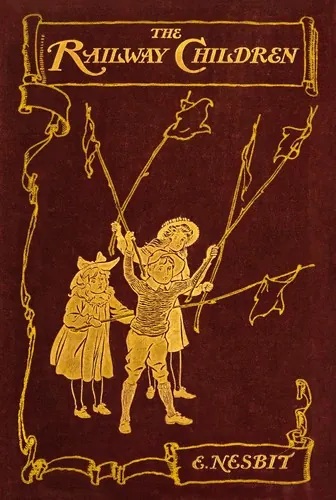
The Railway Children
by
The Railway Children follows three siblings who, after a sudden change of circumstances, move to a house near a railway with their mother. Through a series of railway-side adventures and quiet domestic moments, they build friendships, help neighbors, and grow resourcefulness and courage. A warm, episodic tale of family loyalty and resilience suited to young readers and nostalgic adults.
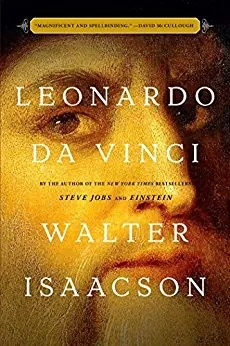
Leonardo da Vinci
by
Walter Isaacson’s Leonardo da Vinci is a vivid biography that follows the life and mind of the Renaissance polymath through his notebooks, sketches, and surviving works. Isaacson emphasizes Leonardo’s relentless curiosity, keen observational skill, and habit of combining art with engineering to solve problems. Ideal for readers who appreciate biographies of creative thinkers, science-minded scholars, and educators exploring methods of discovery.
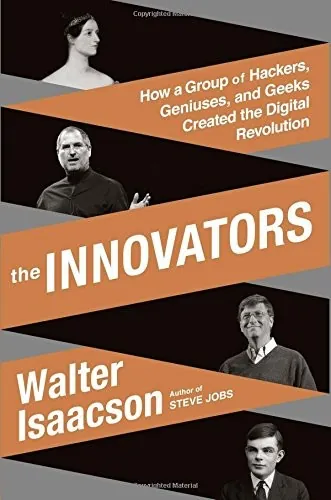
The Innovators
by
The Innovators by Walter Isaacson traces the collaborative story behind the digital revolution, profiling inventors, engineers and entrepreneurs who created computers, software and the internet. Isaacson argues innovation is rarely solitary, showing how partnerships, institutions and practical problem-solving shaped breakthroughs. Suited to readers interested in the history of science, the mechanics of creativity, and ethical stewardship of technology.

Hidden Figures
by
Hidden Figures tells the story of African-American women mathematicians at NASA who calculated trajectories, solved engineering problems, and paved the way for later generations amid segregation. Margot Lee Shetterly combines biography and institutional history to illuminate how their expertise and courage advanced American aeronautics and space efforts. Essential for readers interested in scientists' lives, civil‑rights‑era challenges, and the history of education.

The Call of the Wild
by
Jack London’s The Call of the Wild follows a domesticated dog thrust into the brutal world of sled teams in the Yukon. Told from the animal’s point of view, the novel charts survival, leadership struggles, and the gradual awakening of ancestral instincts. Stark, fast-paced, and vividly atmospheric, it will appeal to readers drawn to courage, resilience, and stories of travel and discovery.
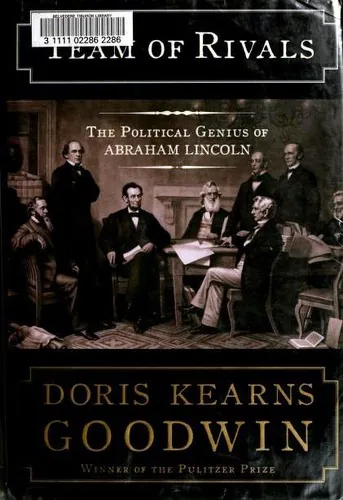
Team of Rivals
by
Team of Rivals offers a vivid portrait of Abraham Lincoln’s unconventional leadership: how he recruited former political opponents into his cabinet, managed competing ambitions, and marshaled a coalition to preserve the Union during the American Civil War. Blending biographical detail with political narrative, it will appeal to readers interested in ethical leadership, wartime decision-making, and richly rendered history.
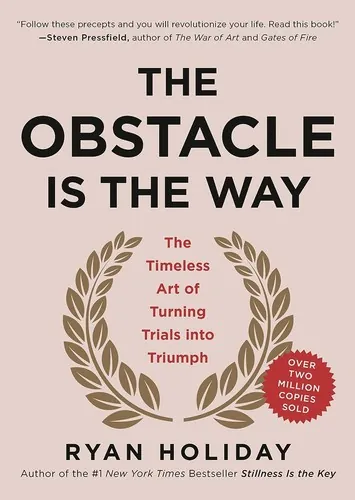
The Obstacle is the Way
by
The Obstacle Is the Way shows how setbacks and painful circumstances can be transformed into advantage by changing perception and response. Drawing on Stoic philosophy and concise historical examples, Ryan Holiday outlines a three-part approach (perception, action, will) with practical tactics for readers seeking greater courage, resilience, and patience in work, leadership, or everyday life.
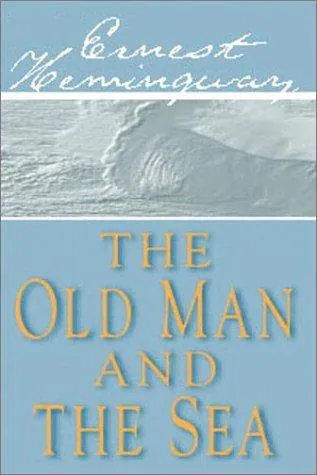
The Old Man and the Sea
by
Ernest Hemingway's The Old Man and the Sea follows an aging Cuban fisherman, Santiago, who sets out alone and engages in a prolonged, solitary battle with a great marlin far offshore. The novella explores human dignity in the face of struggle, the rhythm of nature, and the quiet heroism of endurance. Ideal for readers drawn to stories of courage, patience, and resilience.

The Secret Garden
by
The Secret Garden follows Mary Lennox, a headstrong child who is sent to live at a remote English estate and discovers a neglected, locked garden. As she and new friends tend the space, their attention restores both the garden and their spirits. Gentle, restorative, and hopeful, the novel suits readers interested in family healing, personal growth, and the renewing power of nature.
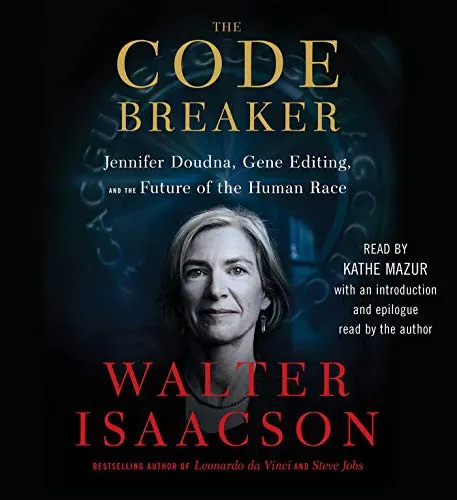
The Code Breaker
by
Walter Isaacson chronicles Jennifer Doudna’s role in the discovery and development of CRISPR gene-editing, blending biography with clear, accessible explanations of molecular biology and the consequential choices that follow technological breakthroughs. Ideal for readers curious about modern biotechnology, scientific personalities, and the ethical questions that arise when powerful tools reshape medicine, agriculture, and society.
The Lessons of History
by
The Lessons of History distills centuries of human experience into concise reflections on recurring patterns—power, economics, civilization, ethics, and the forces that shape societies. Will Durant argues that history reveals persistent tensions between individual liberty and authority, progress and decay, and the material and intellectual impulses of culture. Suited to readers curious about macro-historical insight and practical perspective.
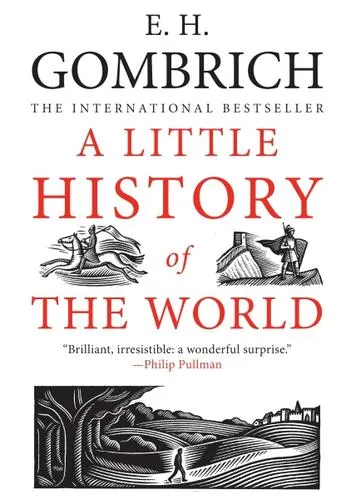
A little history of the world
by
E. H. Gombrich’s A Little History of the World offers a lively, reader-friendly panorama of human development, told as a continuous story rather than a list of facts. Written in clear, engaging prose, it traces major civilizations, cultural achievements, and turning points, making it ideal for curious readers, educators, and teens seeking an accessible big-picture introduction to history.
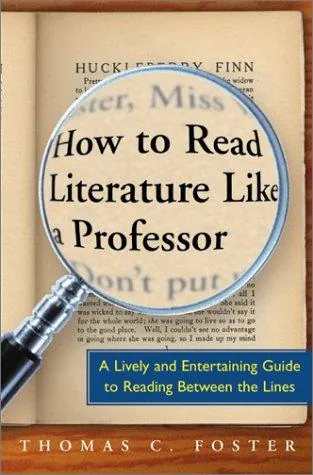
How to read literature like a professor
by
Thomas C. Foster's How to Read Literature Like a Professor is a lively, practical guide to spotting recurring patterns, symbols, and narrative strategies across fiction. Foster offers concise, accessible readings of motifs—quests, meals, landscape, and archetypes—equipping students, book groups, and curious readers with interpretive tools to deepen appreciation and discover layers of meaning beyond surface plot.
The Tipping Point
by
In The Tipping Point, Malcolm Gladwell explores why certain ideas, products, behaviors, and social patterns spread rapidly while others remain marginal. Drawing on social networks, psychology, and examples from public life, he presents a readable framework for thinking about how small changes can produce large collective effects.
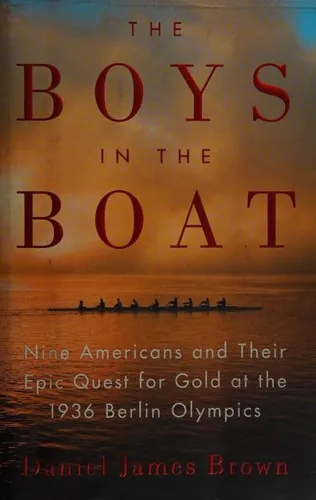
The Boys in the Boat
by
The Boys in the Boat follows nine working-class rowers from the University of Washington who form an unlikely crew and race their way to international competition. Daniel James Brown interweaves personal biographies, the craft of competitive rowing, and the social pressures of the Depression to tell a story of teamwork, grit, and loyalty—ideal for readers drawn to courage, resilience, and deep friendships.
On Writing Well
by
William Zinsser’s On Writing Well is a practical guide to clear, concise nonfiction. Zinsser argues for simplicity, strong voice, and disciplined editing, offering concrete advice on structure, usage, and choosing material across forms like memoir, travel, and business writing. Readable and encouraging, it suits writers, students, and professionals seeking to sharpen communication and strip away clutter for honest, readable prose.
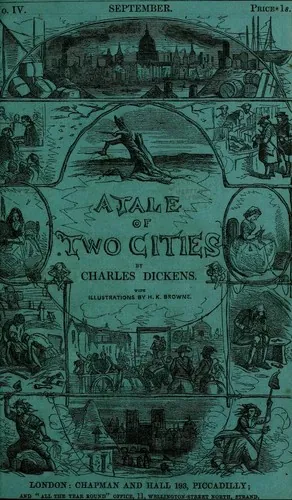
A Tale of Two Cities
by
A Tale of Two Cities dramatizes life on both sides of a turbulent national divide, following characters whose loyalties, loves, and fortunes are tested by social upheaval. Dickens juxtaposes London and Paris to explore courage, collective violence, and personal sacrifice, offering a sweeping, character-driven narrative that will appeal to readers drawn to moral complexity, historical conflict, and stories of selfless resolve.
Mindset
by
Mindset by Carol S. Dweck explores how beliefs about intelligence and ability—whether fixed or changeable—shape motivation, learning, and resilience. Dweck contrasts the limiting effects of a fixed mindset with the adaptive potential of a growth mindset, and offers practical insights for educators, parents, and anyone seeking to build persistence, embrace challenge, and improve performance in school, work, or personal goals.
Justice
by
Justice by Michael J. Sandel invites readers to confront foundational moral questions that shape public life. Drawing on Aristotle, Kant, Mill, and Rawls, Sandel presents accessible, case-based discussions of topics such as affirmative action, inequality, markets, and civic goods. Ideal for readers seeking clear explanations of competing moral frameworks and practical ways to think through fairness and ethical conflicts.
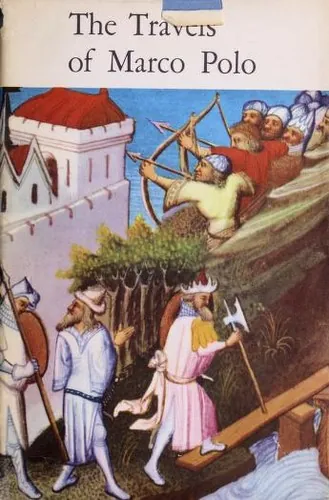
The Travels of Marco Polo
by
A foundational travelogue recounting the journeys of a Venetian merchant through the vast regions of Asia and the Mongol realms. Rich in scene-setting details of cities, trade goods, customs, and courtly spectacle, it blends firsthand observation and reported stories. Ideal for readers drawn to travel and discovery, global literature, and the historical connections that shaped cultural heritage.
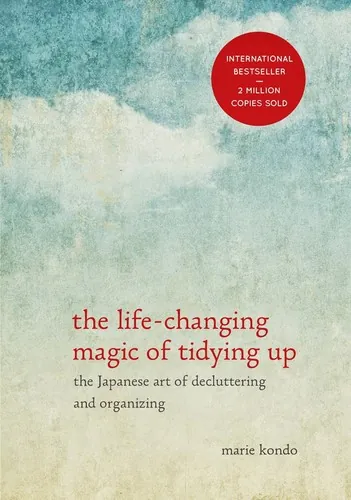
The Life-Changing Magic of Tidying Up
by
The Life-Changing Magic of Tidying Up presents Marie Kondo’s KonMari method for decluttering and organizing the home. She argues that keeping only items that 'spark joy', tidying by category rather than room, and adopting deliberate storage and folding practices transforms living spaces and daily habits. Suitable for readers seeking practical routines, stronger household responsibility, and clearer family systems.
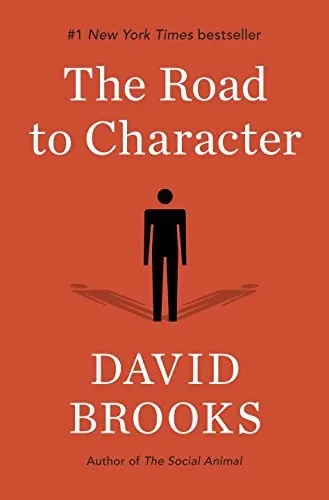
The Road to Character
by
The Road to Character argues that modern life values external success over inner moral development, urging readers to cultivate humility, self-discipline, and responsibility. David Brooks blends cultural analysis, psychology, and biographical sketches to show how personal struggles and moral choices shape character. Suited to readers seeking practical reflection on integrity and the steady work of becoming a more grounded, ethical person.
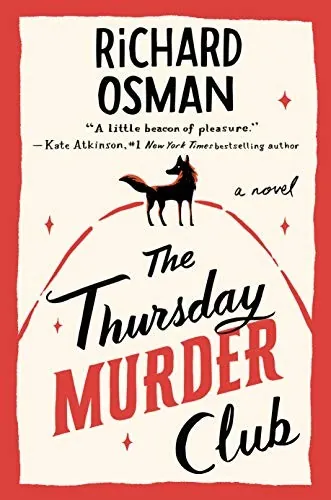
The Thursday Murder Club
by
A witty, warm mystery set in a retirement village, where four friends who meet weekly to investigate unsolved crimes find themselves drawn into a real murder. Blending clever puzzle-solving, gentle humor, and reflections on aging, the novel celebrates loyalty, community, and the unexpected vitality of later life. Suits readers who enjoy character-driven mysteries and cozy, character-rich tales.
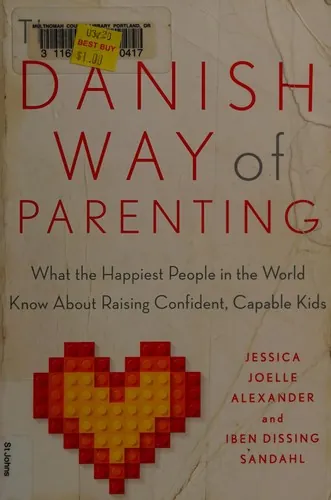
The Danish way of parenting
by
The Danish Way of Parenting offers a gentle, research-informed guide to raising confident, emotionally resilient children by adopting Danish family habits—prioritizing play, empathy, clear limits and everyday rituals that foster closeness. Jessica Joelle Alexander translates these cultural principles into practical ideas and examples for caregivers seeking respectful discipline, stronger parent–child bonds, and calmer, more connected home life.
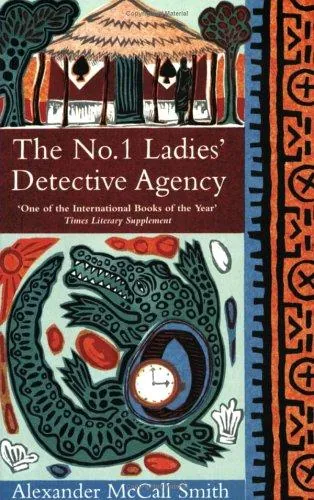
The No. 1 Ladies' Detective Agency
by
In Alexander McCall Smith’s gentle debut, Precious Ramotswe opens the No. 1 Ladies’ Detective Agency in Botswana, solving small yet revealing cases with empathy, common sense, and humor. The novel foregrounds community ties, moral clarity, and everyday justice, suited to readers who enjoy character-driven, humane fiction about belonging and ethical problem-solving.
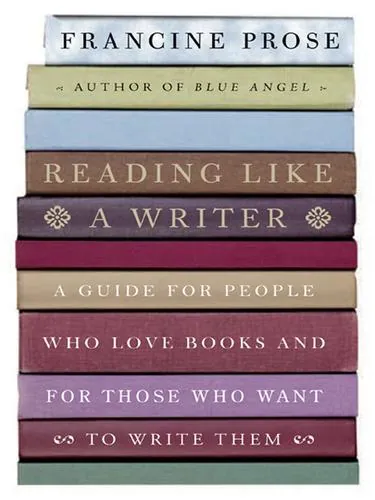
Reading Like a Writer
by
Francine Prose’s Reading Like a Writer invites readers to slow down and study great prose as a path to better writing. Through attentive close readings of sentences, paragraphs and scenes, Prose shows how choices in diction, rhythm, point of view and revision shape meaning. Practical and readable, it suits aspiring writers, literature students, and anyone who wants to read—and write—more deliberately.

The Swiss Family Robinson
by
The Swiss Family Robinson follows a family stranded after a shipwreck who must build a home on an uninhabited island, turn raw nature into a sustainable household, and teach one another practical skills and moral lessons. Written as an episodic survival tale, it suits readers seeking wholesome family adventure, hands-on ingenuity, and thoughtful reflections on responsibility, education, and discovery.