Historical Fiction: Themes, Values and Reading Notes
Introduction: What the Form Is Really About
Historical fiction looks like a genre about the past, but it is really about something more permanent: the human being under the pressure of their time. The great historical novel is not an escape into another century but an encounter with the questions every era raises - survival, justice, power, loyalty, love under constraint - and with the discovery that the past’s people were people of their time, and that their questions are ours. This guide names the themes, the values and the reading notes of the form, so that reading it becomes discussion, and discussion becomes understanding.
The Core Themes of Historical Fiction
Five themes run through the form, and they are worth naming because they are what the best books are actually about.
Survival and endurance. The characters of historical fiction live through war, plague, famine, exile and oppression, and their endurance is the story. The books ask what human beings can carry - and the answer is usually: more than they thought. From the Joads on the road to Liesel in the cellar, the form is a study in what people survive.
Justice and its absence. Historical fiction is full of injustice - the innocent accused, the powerless crushed, the law as the tool of the powerful - and the books dramatize both the cost of injustice and the courage of those who resist it. The question connects directly to the moral questions of the present, which is why the form remains urgent.
The ordinary person in the large event. The form insists that history is not only kings and battles but the teacher, the farmer, the mother, the child - and that the small life is where the large event is actually lived. No life is too small to be history; that is the form’s deepest conviction.
Power and its corruption. The courts, the empires and the regimes are the settings of some of the form’s greatest books, and their theme is the price of power - what it costs to hold it, and what it costs to be held by it.
Love under constraint. The era’s limits - class, war, religion, the family - are the pressure under which love is tested in historical fiction, and the books ask what love can survive and what it cannot.
The Values the Form Carries
The themes are carried by a consistent set of values, and they are the values that make historical fiction worth reading.
The past’s people as people of their time. The form’s first value is fairness to the past: the historical novel does not judge its characters by the present’s standards but enters their era’s beliefs and constraints. The reader is trusted to see, and to judge with understanding.
The large seen through the small. The form’s second value is the dignity of the ordinary: the conviction that the teacher, the farmer and the child are history’s real carriers, and that their lives are the record.
The past as a mirror. The form’s third value is the connection between then and now: the questions the era raises - justice, survival, power - are the reader’s questions, and the past becomes a mirror that shows the present more clearly. Our thoughtful guide to historical fiction develops these values, and our knowledge and education reading list connects them to the lifelong learning the form inspires.
Reading Notes: What to Expect and How to Choose
The honest reading note for the form is this: historical fiction reflects the cruelty of the past, and the strongest books do not flinch from it. War, occupation, slavery, execution and the era’s violence are common subjects, and readers should choose with awareness.
The registers. The same era is told at many registers. The adult register (Wolf Hall, The Nightingale) trusts the reader with the full weight; the family-friendly register (Number the Stars, Little Women) carries the same truths at a gentler level. Choose the register that suits the reader, not the era.
The author’s note. The best historical novelists research seriously and tell you what they changed; the author’s note is the reader’s best tool for knowing what is history and what is imagination.
The content notes. Every book on our lists carries an honest note about what it contains. Read the notes, and you will not be surprised.
A Framework for Discussion
Historical fiction is made for discussion, and a simple framework serves any of the books on our lists.
Start with the era. What world does the book build, and how does it make the time real? What did you learn about the era that you did not know?
Move to the characters. What constraints does the era place on them - and how do they respond? Which character’s choice would you have made, and which would you not?
End with the themes. What does the book say about survival, justice or power? What applies to the present? Where would you argue with the book?
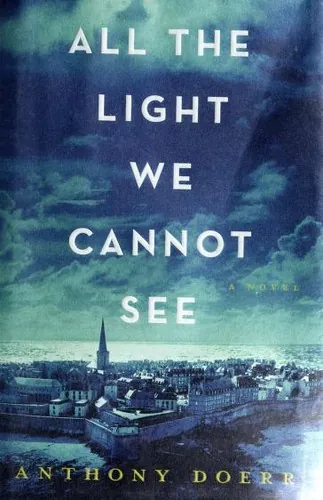
The framework works for any pairing on our lists: read All the Light We Cannot See with The Nightingale and compare the two wars; read Wolf Hall with I, Claudius and compare the two courts; read Number the Stars with Roll of Thunder and compare the two hard truths carried gently.
The Great Books, Grouped by Era
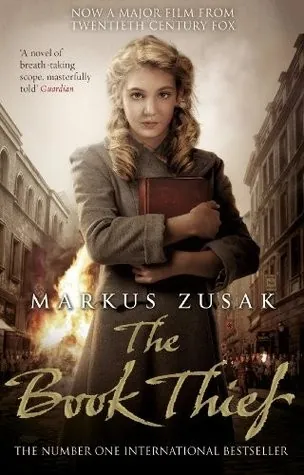
The form’s books can be grouped by the era they build, and the grouping is a reading map in itself. The ancient world is carried by I, Claudius and Memoirs of Hadrian - Rome from inside the palace and inside the mind. The medieval world is carried by The Name of the Rose and The Pillars of the Earth - the abbey’s mystery and the cathedral’s building. The courts are carried by Wolf Hall and its sequels - the Tudor court entered from within. The empires are carried by The Poisonwood Bible and Half of a Yellow Sun - the cost of the West’s arrival. And the wars are carried by the form’s largest shelf - The Book Thief, All the Light We Cannot See, The Nightingale - the war seen from the ground. The reader who knows which era’s questions they care about can choose the group, and the era will reward them.
The Book Club Pairings
The form rewards pairing, and the strongest discussions come from comparison.
The two literary wars: All the Light We Cannot See with The Nightingale - compare the craft and the register.
The two courts: Wolf Hall with I, Claudius - compare the two minds of power.
The two hard truths, gently carried: Number the Stars with Roll of Thunder, Hear My Cry - compare how each introduces a child to the era’s injustice.
The two reflective masters: Memoirs of Hadrian with The Remains of the Day - compare the two lives told from the end, looking back.
For clubs that want the true stories behind the fiction, our biography books themes and values guide extends the discussion, and our best biography books to read offers the nonfiction shelf.
Discussion Questions by Theme
For clubs that want the questions themselves, here are the discussion questions organized by the form’s themes.
Survival and endurance: What carried the characters through the worst? What would the reader have done in their place - and what does that say about the reader? Does the book’s endurance feel earned or romanticized?
Justice and its absence: Who has power in the book, and how do they use it? Where does justice fail - and where does it unexpectedly succeed? What does the era’s injustice say about the present?
The ordinary person in the large event: Who is the small life at the center of the large event, and what does their story show that the history books miss? Would the book work if the event were removed - and what does that reveal?
Power and its corruption: What does power cost the characters who hold it? Where does the book’s critique of power land hardest? Which character uses power best, and why?
Love under constraint: What constraints does the era place on love - and what does love survive and not survive? How does the book’s love story illuminate the era’s rules?
Content Notes Summary
The form’s content notes are simple and honest: expect the era’s realities - war, violence, oppression - in proportion to the register. The adult books carry the full weight; the family-friendly books carry the same truths gently; none of the best books are gratuitous. The reading note is choice: read the notes, choose the register, and the form will reward you. For the gentlest door into the past, start with the family-friendly list; for the full weight, start with the adult list; for the first book, start with our best historical fiction to read.
Conclusion: The Past as the Mirror
Historical fiction’s themes - survival, justice, the ordinary in the large event - are the permanent questions, and its values - fairness to the past, dignity of the ordinary, the past as mirror - are the reasons it endures. Its reading notes are honesty and choice. Read it, discuss it, and let the past show you the present; the form is a mirror, and it rewards the reader who looks. For the full collection of reading paths, start at the Worlds section of our site.