Best Books About Knowledge and Wisdom by Montaigne
Introduction: The Man Who Invented the Essay
Michel de Montaigne was a French Renaissance nobleman, a mayor of Bordeaux and the inventor of the essay - the writer who, for the first time in literature, made himself the subject. In 1580 he published the first book of his Essays, a collection of reflections on everything from friendship and death to cannibals and thumbs, written in the tower of his château while France tore itself apart in religious war. His method was radical: instead of the certainties of the philosophers, he offered the honest, wandering examination of one man’s mind - and in doing so, he invented the modern art of thinking about oneself.
This guide maps Montaigne’s writing on knowledge and wisdom, from the essential essays to the companion works of the skeptical tradition, with a reading order, honest content notes, the themes that make his work cohere, and companions for when you want more.
The Wisdom Books in Reading Order
The Essays (1580, expanded 1588, final edition 1595) is the essential Montaigne, and the only book he left us. It is a lifetime’s work: 107 essays, ranging from a few pages to the enormous Apology for Raymond Sebond, written and revised across two decades, with Montaigne adding to his essays edition after edition - the book literally grew with its author. The essays are about everything and nothing: friendship, solitude, education, cannibals, thumbs, the custom of clothes, the experience of death. Their method is the opposite of the treatise: Montaigne wanders, digresses, contradicts himself and returns, and the wandering is the wisdom - the demonstration that honest self-examination, conducted without dogma, is the most reliable path to knowledge a human being has. Content note: a Renaissance classic that discusses the body, sex and death frankly by the standards of its time; for readers from around age sixteen upward.
The essential entry points within the Essays are the ones Montaigne himself prized: Of Friendship, his account of his bond with Étienne de La Boétie; Of Cannibals, his defense of the “savage” peoples against European presumption; Of Experience, his late essay on the body and the art of living; and the Apology for Raymond Sebond, his skeptical masterpiece. Readers new to Montaigne should begin with a selection - the Penguin or Oxford editions with introductions - rather than the complete work.
Content Notes for the Essays
The Essays are a Renaissance classic, written in the frank idiom of the sixteenth century: Montaigne discusses the body, sexuality, death and the customs of foreign peoples with an openness that modern readers should expect from the period. There is nothing gratuitous - Montaigne’s frankness is always in the service of honesty - but the essays are best for readers from around age sixteen upward. The book is also enormous, and no one should feel obliged to read it straight through: the essays are designed to be dipped into, and Montaigne himself recommended reading a little at a time. The translation matters enormously - the modern translations by Donald Frame, M. A. Screech and Sarah Bakewell’s biographical guide are the standard starting points.
Readers choosing among Montaigne’s books will find our moral dilemmas themes and values guide helpful for the ethical questions his essays raise, and our positive messages themes and values guide useful for the vision of the humane life his wisdom offers.
The Knowledge and Wisdom Themes in Montaigne’s Work
Three themes give Montaigne’s treatment of knowledge and wisdom its distinctive shape.
Self-knowledge as the beginning of wisdom is his central claim. Montaigne’s motto - “Que sais-je?” what do I know? - is not despair but method: the honest examination of one’s own mind is the most reliable knowledge available, and the essays are the practice of that examination. His wisdom is the argument that the hardest and most necessary subject is oneself.
Humility against dogma is the second theme. Montaigne wrote while France burned in religious war, and his wisdom is the answer to that fire: the refusal of certainty, the respect for custom, the tolerance born of doubt. His skepticism is not nihilism but peace - the humility that makes coexistence possible.
The body and the ordinary life is the third theme. Montaigne’s wisdom is not the philosopher’s flight from the body but the embrace of it: he writes about his digestion, his illnesses, his habits, and he insists that the art of living is the art of the ordinary. His essays are the argument that wisdom is not found in the clouds but at the table, in the bed, in the everyday.
Why Montaigne’s Wisdom Endures
The Essays have been read continuously for more than four centuries, and Montaigne is the writer readers return to more than almost any other: Montaigne and Shakespeare and the Bible are the books people keep by the bed. The reason is simple: Montaigne wrote about wisdom at the scale of one man’s life, and made the largest questions of philosophy feel like a conversation with yourself. He is the inventor of the personal essay, the ancestor of modern psychology, and the model of the writer who thinks by writing.
His influence extends far beyond literature: Descartes read him, Shakespeare borrowed from him, Emerson and Thoreau learned the essay from him, and the modern personal essay - from Virginia Woolf to the contemporary essayists - descends from his tower. But the book endures because of its voice - an honesty that never becomes exhibitionism, a doubt that never becomes despair, and a warmth that has survived four centuries. Montaigne wrote the essential book of humane wisdom, and no one has written a better one since.
Companion Books for Every Montaigne Reader
When you have finished the Essays, these titles extend the same territory.
How to Live: Or A Life of Montaigne by Sarah Bakewell (2010) is the essential companion as the biography: the modern study that organized Montaigne’s life around twenty answers to the question of how to live - the perfect guide for the reader new to him.
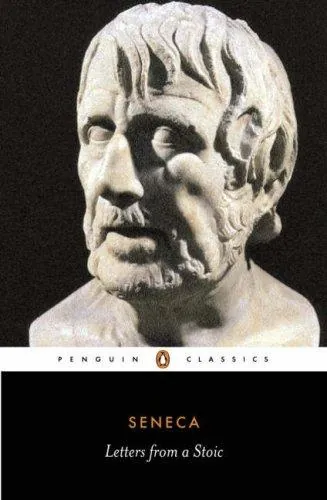
Letters from a Stoic by Seneca (c. 65 AD) is the essential companion as the predecessor: the Roman philosopher Montaigne read and loved - the ancient practice of wisdom in the personal letter that the Essays carried into the modern age.
Self-Reliance and Other Essays by Ralph Waldo Emerson (1841) is the essential companion as the heir: the American essayist who took Montaigne’s method and made it the seed of American thought - the essay tradition in its next great flowering.
For the practical questions of right and wrong, our best moral dilemmas reading list and our best positive messages reading list gather the framing readers need.
A Reading Plan for Book Clubs
Montaigne is the perfect club author because his essays are short, self-contained and built for conversation: each one is a provocation in miniature, and the club can read one or two essays per meeting. The most fertile questions are the ones Montaigne refuses to settle: Is his skepticism a philosophy or an excuse? What does his defense of the cannibals say about our own presumptions? Which of his observations - four centuries old - still apply to a modern life?
The book also generates the hardest kind of discussion: the claim that self-knowledge is the most reliable knowledge - which forces every member to ask how much they actually know about themselves. Clubs should expect the conversation to turn personal and intimate, and should give members room to be honest - the essays reward exactly the self-examination they provoke.
Clubs preparing without spoilers will find our a thoughtful guide to moral dilemmas useful for framing the themes.
A Note on the Book’s Structure and Editions
The Essays grew across Montaigne’s lifetime: the first edition of 1580 contained the early essays, the edition of 1588 added the great middle essays, and the posthumous edition of 1595 added his final revisions - Montaigne literally wrote in the margins of his own published books, and the text of the Essays is the record of a mind revising itself. Readers should know that this history is the point: the Essays are not a finished system but a living process, and the additions are as much the book as the originals. The essays have no order that must be respected - they are designed to be dipped into, and Montaigne’s own advice was to read a little at a time. Read the famous essays first, and let the book become a companion; the return visits are where Montaigne does his work.
What Montaigne’s Essays Teach Together
Montaigne’s wisdom is all in one book, but the Essays reward reading as a layered whole rather than a collection of hits. The early essays - Of Friendship, Of Cannibals - establish the method: the honest, wandering examination of a single subject through the lens of oneself. The middle essays, added in 1588, deepen the themes of the body, the customs and the limits of knowledge. The late essays - Of Experience above all - complete the arc: the aging man turning his attention to the art of living itself. And the Apology for Raymond Sebond, the skeptical masterpiece, is the philosophical keystone that explains the whole project - the limits of reason that make self-knowledge the only reliable ground. Read in that order, the Essays are not a miscellany but a life: the record of a mind examining itself across two decades. That is the book’s deepest teaching, and it is why the Essays belong on the shelf as one continuous work.
Conclusion: What Do I Know?
Montaigne’s contribution to the literature of wisdom is a single question, and it has entered the language: Que sais-je? - what do I know? He wrote it into the margins of a violent century, and it has outlasted every certainty since. His wisdom is not doctrine and not despair; it is self-knowledge, humility and the art of the ordinary life. His book is enormous, and it is inexhaustible. Read it, and let Montaigne show you what wisdom is actually for. For more reading paths, explore the Ideas section of our site.