Moral Dilemmas: Themes, Values and Reading Notes
Introduction: The Themes That Test Character
The literature of moral dilemmas is one of the deepest in the world, and its themes are the reason it never runs dry. Read across two and a half millennia - from the trolley problem to Sophie’s choice - the books about dilemmas keep staging the same few questions, and the questions keep answering differently. This guide names those themes, the values they carry, and the reading notes worth taking - the observations that turn a reading list into an education.
Theme One: The Choice Between Wrongs
The first theme of the literature of moral dilemmas is the choice between wrongs: the situation in which every available option violates a moral value, and the person must choose anyway. This is what distinguishes a dilemma from a hard choice - there is no right answer, only wrongs and their weights.
The trolley problem is the purest staging: five lives against one, and the question of whether pulling the lever makes you a murderer or a savior. Sophie’s Choice is the unbearable staging: a mother forced to choose which of her children will live, where refusing to choose means losing both. The Giver is the child’s staging: Jonas must choose between the truth and the comfort of sameness - between knowledge and peace.
The reading note worth taking: for each dilemma, list the values in collision and identify what makes every option wrong. The structure is the same in every book: the dilemma is the situation where the moral arithmetic does not add up.
Theme Two: Principles Against People
The second theme is the collision between principles and people: the abstraction against the individual, the rule against the person standing in front of you.
Crime and Punishment is the essential staging: Raskolnikov’s principle - the “extraordinary man” theory, the calculation that one death funds a greater good - against the person of the pawnbroker and, finally, against himself. The novel is the long argument that the principle fails, that no arithmetic reaches the value of a person. To Kill a Mockingbird stages it from the other side: Atticus’s principles - the duty to defend, the obligation to the person - against the community’s settled judgment. The Kite Runner stages it in the alley: Amir’s principle of self-preservation against the person of Hassan, his friend.
The reading note worth taking: identify the principle in each book and the person it collides with, and note which one the book argues should win. The pattern is the argument: the literature of dilemmas is the literature of the moment when the abstraction meets a face.
Theme Three: The Aftermath of Choice
The third theme is the aftermath: the insight that the dilemma does not end with the choice - it becomes the rest of a life.
Crime and Punishment is the essential staging: the novel is not about the murder but about the years of guilt that follow. The Kite Runner is the same structure: a choice in an alley in Kabul, and the decades of atonement that follow. The Remains of the Day is the quiet version: a butler who never faced a dramatic dilemma, who made the dutiful choices for a lifetime, and who discovers at the end that the choices added up to a life given to the wrong master.
The reading note worth taking: for each book, identify the moment the dilemma ends and the aftermath begins, and note what the aftermath does to the character. The pattern is the argument: the choice reveals and forms character, and the character carries the cost.
Theme Four: The Dilemma Reveals Character
The fourth theme is that dilemmas reveal character - and the books argue that they also form it. A person is not tested by easy choices; a person is tested by the choices that cost something, and the dilemma is the test in its purest form.
Aristotle’s Nicomachean Ethics is the framework: virtue is the habit of choosing well, and the habit is formed by the choices. To Kill a Mockingbird is the staging: Atticus’s children watch him take the case, and the watching is their education - they learn what character is by seeing it tested. The Empty Pot is the child’s staging: Ping’s choice to tell the truth is the test, and the test reveals the character the emperor was looking for.
The reading note worth taking: for each character, note what the dilemma reveals about them - and what the choice forms in them. The pattern is the argument: we become who we are in the moments when choosing costs something.
Theme Five: The Frameworks We Bring
The fifth theme is the frameworks we bring to dilemmas: the theories of ethics that shape how we choose, and the literature’s staging of the conflict between them.
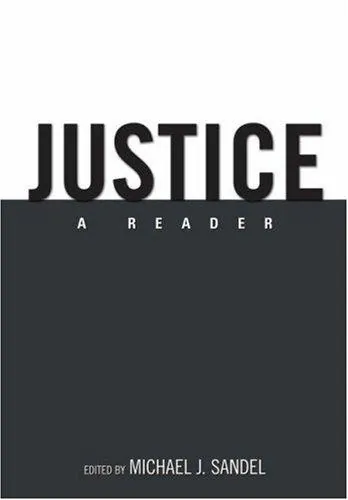
The two great frameworks are consequentialism - the right action is the one with the best consequences, the trolley problem’s five lives against one - and duty-based ethics - some actions are wrong regardless of consequences, the one is not a means to an end. Justice by Michael Sandel is the readable staging of the conflict; the trolley problem essays of Judith Jarvis Thomson are the purest form.
The reading note worth taking: for each dilemma in each book, identify the framework the character applies - the calculation or the duty - and note whether the book endorses it. The pattern is the argument: the framework is the character’s moral method, and the dilemma tests the method itself.
The Values: What the Books Stand For
The literature of moral dilemmas stands for values, and the values are remarkably consistent. The first is honesty: the refusal to lie, the willingness to tell the truth at a cost - the value of The Empty Pot and every book like it. The second is courage: the willingness to choose at a cost - the value the dilemmas exist to test. The third is mercy: the recognition that the person matters more than the principle - the value of the bishop in Les Misérables and of every book that refuses the arithmetic. The fourth is integrity: the character that holds when choosing is costly - the value of Atticus Finch and the empty pot. The fifth is the willingness to bear the aftermath: the honesty about what a choice costs and the refusal to pretend it cost nothing.
Reading Notes: How to Read the Literature of Dilemmas
The best way to read the literature of moral dilemmas is with a question in hand. For each dilemma, note the values in collision and identify what makes every option wrong. Note the framework the character applies - the calculation or the duty - and whether the book endorses it. Note the choice made and the aftermath: what the choice costs, and what it forms in the character. Then compare the notes across books: the same structure - values in collision, a choice, an aftermath - tested at different scales, from the trolley problem to the alley in Kabul to the quiet regret of a butler.
Theme Six: The Dilemma of the Witness
The sixth theme is the dilemma of the witness: the person who does not choose the wrong but watches it happen - and must decide whether to intervene, speak or look away. The literature insists that the witness’s dilemma is a real dilemma, and that looking away is itself a choice.
The Kite Runner is the essential staging: Amir watches his friend being assaulted and does nothing - and the novel is the decades-long aftermath of the choice to look away. The Book Thief stages the witness’s dilemma under tyranny: the ordinary Germans who watched the persecution and decided, daily, what they would and would not see. Number the Stars stages it for children: Annemarie’s family must decide, knowing the danger, whether to help their Jewish neighbors escape - the witness who becomes the actor.
The reading note worth taking: in each book, identify the witness - the person who is not the perpetrator - and note the moment of decision: intervene, speak, or look away. The pattern is the argument: the witness’s dilemma is the most common dilemma there is, and the books argue that looking away is the choice that most often damns.
Content Notes and Book Pairings
All of the books named here are discussed with content notes in our moral dilemmas reading list and our purpose and meaning themes pages. The essential pairings: Crime and Punishment with To Kill a Mockingbird (the inner and the public dilemma); Sophie’s Choice with The Book Thief (the unbearable and the lived); The Giver with Number the Stars (the child’s dilemma and the child’s courage); Justice with the trolley problem essays (the framework and the purest form). Our biography reading for adults connects the dilemma themes to real lives.
Theme Seven: The Dilemma and the Community
The seventh theme is the community: the literature’s insistence that dilemmas are not faced alone - that the community is watching, judging, and shaped by the choice. The books argue that every dilemma has witnesses, and that the witnesses are changed too.
To Kill a Mockingbird is the essential staging: the trial is a public event, and the community’s verdict - on Tom Robinson and on Atticus - is part of the dilemma. The town is not a backdrop; it is the arena, and its judgment is one of the values in collision. The Watsons Go to Birmingham - 1963 stages it for children: a family arriving in Birmingham at the moment of the church bombing, and the community’s grief and determination. A Man Called Ove stages the community as the answer: the neighbors who refuse to leave the grieving man alone are the community that resolves what he cannot resolve alone.
The reading note worth taking: in each book, identify the community - the witnesses, the judges, the neighbors - and note how the choice changes them. The pattern is the argument: the dilemma is never private, the community is always implicated, and the resolution is often the community’s as much as the chooser’s.
Conclusion: The Question That Forms Us
The literature of moral dilemmas never runs dry because its themes are permanent: the choice between wrongs, the collision of principles and people, the aftermath of choice, the character the dilemma reveals, and the frameworks we bring. The values are equally permanent - honesty, courage, mercy, integrity, the willingness to bear the cost - and the books keep returning to them because readers keep needing them. Take the reading notes, make the pairings, bring the question of what you would choose to every book, and the literature of dilemmas will keep forming you every time you return. For more reading paths, explore the Ideas section of our site.