Best Moral Dilemmas to Read
Introduction: The Situations That Have No Good Answer
A moral dilemma is a situation in which every available choice violates a moral value. It is not the situation where the right thing is hard; it is the situation where the right thing does not exist - where a person must choose between a child’s life and a country’s, between the truth and a friend, between the law and mercy. These are the situations that define character, and they are the subject of some of the deepest books ever written. The best books about moral dilemmas do not resolve them; they make the reader feel the impossibility, and they ask what a person becomes by choosing.
This reading list gathers the essential books across four registers: the inner dilemma, the public dilemma, the unbearable dilemma, and the philosophical framework. Each entry includes honest content notes and a sense of how the books speak to each other.
The Inner Dilemma
Crime and Punishment by Fyodor Dostoevsky (1866) is the essential novel of the inner dilemma: a poor student in St. Petersburg, Raskolnikov, convinces himself that he is justified in murdering a pawnbroker - that the crime of one “extraordinary” man is outweighed by the good his money will do. The novel is the working-out of the dilemma from the inside: the theory, the act, and the long moral reckoning that follows. It is the deepest treatment in literature of the dilemma between a principle and a person, and it is appropriate for mature readers. Content note: an adult novel about murder and guilt, with the violence described with restraint.
The Death of Ivan Ilyich by Leo Tolstoy (1886) is the essential short book about the quiet dilemma: a judge, dying, discovers that his life has been a lie - every choice the respectable one, none of them true. The dilemma is the one every adult faces eventually: the life you have built against the life you should have lived. Content note: short, entirely clean, and intense; appropriate for mature readers.
The Picture of Dorian Gray by Oscar Wilde (1890) is the essential novel about the dilemma of the soul: a man who trades his soul - his portrait ages while he stays young - for the freedom to live without consequences. It is the dilemma of the choice that seems free and is a prison, and it is appropriate for mature readers. Content note: an adult novel; appropriate for mature readers.
The Public Dilemma
To Kill a Mockingbird by Harper Lee (1960) is the essential novel of the public dilemma: Atticus Finch, a lawyer in the Jim Crow South, must decide whether to defend a Black man falsely accused - knowing he will lose, and knowing the cost to his family and his standing. The dilemma is between the community’s judgment and his own, and the novel’s argument is that the dilemma is not really a dilemma: there is one right thing, and the cost is the point. Content note: uses racial slurs in dialogue and deals with racism; read from middle school upward, with discussion.
Sophie’s Choice by William Styron (1979) is the essential novel of the unbearable public dilemma: a woman in Auschwitz forced to choose which of her two children will live. It is the novel that gives the literature of moral dilemmas its name for the worst case - the choice in which every option is a horror - and it is the book to read when you want the dilemma stripped to its essence. Content note: an adult novel of the Holocaust, including its atrocities; appropriate for mature readers only.
The Kite Runner by Khaled Hosseini (2003) is the essential novel of the dilemma witnessed: a boy who watches his friend being assaulted and must choose - to intervene and risk everything, or to look away. The novel is the long consequence of the choice, and its argument is that the dilemma does not end when the moment passes. Content note: contains the assault of a child; appropriate for mature readers.
The Unbearable Dilemma
Sophie’s Choice has been named; the other essential treatment of the unbearable is The Book Thief by Markus Zusak (2005): an ordinary German family in Nazi Germany who must decide, daily, whether to hide a Jewish man in their basement - the dilemma of the moral choice under totalitarian pressure, where helping means risking everything. It is the novel that shows the dilemma lived as a practice rather than a moment. Content note: a young adult novel dealing directly with the Holocaust; for readers from around age thirteen or fourteen, with discussion.
The Giver by Lois Lowry (1993) is the essential dilemma book for younger readers: a boy in a community without pain or choice who must decide whether to keep the memories - and the truth - or return to the comfort of sameness. It is the dilemma between truth and comfort, and it is the book that starts the deepest conversations with young readers. Content note: entirely clean, appropriate from around age ten.
Number the Stars by Lois Lowry (1989) is the essential dilemma book for the youngest readers: a Danish girl who must decide whether to help her Jewish best friend’s family escape the Nazis - the dilemma of the child who must be brave. It is entirely clean, appropriate from around age nine, and the gentlest introduction to the moral dilemmas of history.
The Philosophical Framework
The Nicomachean Ethics by Aristotle (c. 350 BCE) is the essential foundation: the oldest systematic account of what makes a choice right - virtue as the habit of choosing well, and practical wisdom as the ability to see what a situation requires. It is the framework that every later book about moral dilemmas responds to. Content note: a work of ancient philosophy, accessible in good translations though demanding in places.
The Trolley Problem - the famous thought experiment in which a runaway trolley will kill five people unless you divert it to kill one - is best approached through The Trolley Problem Mysteries by F. M. Kamm (2015), which works through the cases and their implications, or through the essays of Judith Jarvis Thomson, who made the problem famous in 1976. The trolley problem is the purest form of the moral dilemma: the forced choice between wrongs. Content note: accessible and philosophical; appropriate for readers from high school upward.
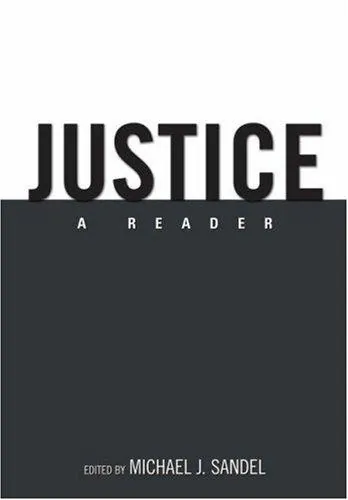
Justice: What’s the Right Thing to Do? by Michael Sandel (2009) is the essential modern introduction: the readable account of the great theories of justice - utilitarianism, libertarianism, the social contract - through the dilemmas that expose them. It is the book that gives the reader the framework for every dilemma on this list. Content note: clean and accessible, appropriate for any reader.
How These Books Speak to Each Other
The literature of moral dilemmas is a conversation. Dostoevsky shows the dilemma from the inside; Harper Lee shows it in public; Styron shows it at its worst; Lowry shows it to children; Aristotle gives the framework; the trolley problem strips it to its purest form. The essential question running through all of them: when every choice is wrong, what does the chooser become - and how do they live with it?
The Essential Books of Character and Growth
Moral dilemmas are the tests of character, and the deepest books about them are the ones that show the character being formed - before, during and after the choice. The books of this register complete the reading list.
To Kill a Mockingbird doubles as the essential character study: Atticus Finch is the literary archetype of the person who chooses right when it is costly, and his children’s education - watching him take the case - is the novel’s quiet subject. The Empty Pot by Demi is the child’s version: a boy who must choose between the truth and the throne, and whose honesty is the test all along.
The Remains of the Day by Kazuo Ishiguro (1989) is the essential novel about the character formed by a lifetime of choosing wrongly: a butler who devoted his life to duty and discovers too late that his loyalty was misplaced. It is the quietest and one of the most devastating treatments of the aftermath of choice in the literature. Content note: entirely clean; appropriate for mature readers.
A Man Called Ove by Fredrik Backman (2012) shows the character formed by grief and re-formed by the demands of being needed: a widower who has decided to die, interrupted by neighbors who refuse to leave him alone. Its dilemma - the peace of giving up against the demands of being needed - is the one many adults face, and its answer is the warmest in the literature. Content note: deals with grief, depression and suicide attempts; appropriate for mature readers.
Our thoughtful guide to moral dilemmas extends the discussion into the ideas, and our purpose and meaning reading connects dilemmas to the meaning that sustains choice.
Content Notes Summary
The books on this list span every age range, and the content notes matter. For younger readers: The Giver (from around age ten), Number the Stars (from around age nine). For young adults and general readers: The Book Thief (from around thirteen, with discussion), To Kill a Mockingbird (from middle school, with discussion), Justice, The Trolley Problem Mysteries. For mature readers: Crime and Punishment, The Death of Ivan Ilyich, The Picture of Dorian Gray, The Kite Runner, Sophie’s Choice, The Nicomachean Ethics. Sophie’s Choice and The Kite Runner are the most intense; the notes are about emotional weight as much as content. Our thoughtful guide to moral dilemmas extends this list, our purpose and meaning reading list connects dilemmas to the meaning that sustains choice, and our historical reading lists shows dilemmas in history.
A Reading Plan for Every Kind of Reader
For the reader who wants a single book: To Kill a Mockingbird, or Crime and Punishment for the inner dilemma. For the reader who wants the framework: Justice by Michael Sandel. For the reader who wants the unbearable: Sophie’s Choice. For the young reader: The Giver. For the book club: read To Kill a Mockingbird with Justice, and let the novel and the theory argue with each other about what the right thing is.
Conclusion: The Situations That Define Us
A moral dilemma is a situation in which every available choice violates a moral value - and the best books about them do not resolve the dilemmas; they make the reader feel the impossibility, and they ask what a person becomes by choosing. From Raskolnikov’s theory to Atticus’s case, from Sophie’s choice to the trolley problem, the books on this list form a complete education in the hardest subject there is: what we do when there is no good answer, and who we are after. Start with the book that calls to you, and let the conversation between the books carry you deeper. For more reading paths, explore the Ideas section of our site.