Best Books About Scholars and Scientists to Read
Introduction: The People Behind the Discoveries
The books about scholars and scientists answer the question behind every discovery: who did this, and how? They are the biographies and histories of the people who made knowledge - the obsessed, the overlooked, the brilliant and the stubborn - and they show that discovery is not a clean march of genius but a human process of wrong turns, rivalries, luck and persistence. This list gathers the essential titles, with honest notes on what each one offers.
The Essential Doors: The Field’s Great Books
These are the books that open the category for the most readers - the titles that show how knowledge is actually made, in stories anyone can follow.
Longitude: The True Story of a Lone Genius Who Solved the Greatest Scientific Problem of His Time by Dava Sobel (1995) is the perfect first book: the story of John Harrison, a self-taught clockmaker who spent forty years building a timepiece accurate enough to let sailors find their longitude - solving the problem that had killed countless ships and defeated the greatest minds of Europe. It is short, thrilling and needs no prior science, and it is the proof that the category’s best books are about persistence as much as brilliance.
The Immortal Life of Henrietta Lacks by Rebecca Skloot (2010) is the essential modern book of the category: the story of Henrietta Lacks, whose cells - taken without her knowledge in 1951 - became the HeLa line that made possible countless medical breakthroughs, while her family remained poor and uninformed for decades. It is the book that asks the deepest questions of the category: who owns knowledge, who is credited and who is forgotten. It is a masterpiece of science writing and one of the most important books about scholars and the people their work touches.
The Double Helix: A Personal Account of the Discovery of the Structure of DNA by James D. Watson (1968) is the scientist’s own account of the race for the structure of DNA - candid, competitive and often unflattering to its author. It is the book that shows the category’s real subject: discovery as a human process, full of rivalry, luck and shortcuts, conducted by people with egos. It is controversial and essential, and it should be read alongside the accounts of Rosalind Franklin, whose data made the discovery possible and whose credit was long denied.
The Lives: The Great Biographies
The richest tier of the category is the biography shelf: the full lives of the scientists and scholars who changed the world.
The Life of Marie Curie - most memorably in Madame Curie: A Biography by Ève Curie (1937), her daughter’s account - is the essential scientist’s life: the Polish immigrant who became the first woman to win a Nobel Prize, the only person to win in two different sciences, who discovered radium through years of backbreaking labor and died of the radiation she had pioneered. It is the biography that made Curie a legend and the book that still carries her story best.
Einstein: His Life and Universe by Walter Isaacson (2007) is the definitive modern biography: the physicist’s life told in full - the patent office, the miracle year, the exile, the politics - with his science explained clearly for the general reader. Isaacson’s Einstein is human: brilliant, flawed, politically naive and morally brave. It is the essential biography of the century’s most famous scientist.
The Man Who Knew Too Much: Alan Turing and the Invention of Computers by David Leavitt (2006) and Alan Turing: The Enigma by Andrew Hodges (1983) tell the story of the man who broke the Enigma code and invented the theoretical computer - and who was destroyed by the society that had depended on him. Turing’s story is the category’s most tragic and most important: the genius punished for being himself, whose ideas outlived the prejudice that killed him.
The Origin of the species of biography - the Darwin biographies, from The Voyage of the Beagle by Charles Darwin (1839) through the modern lives, show the scholar at work: the five-year voyage, the twenty years of doubt, the theory that changed everything. Darwin is the category’s model of the honest scholar - the man who collected the evidence for two decades before publishing.
The Process: How Knowledge Is Made
The deepest tier of the category is the process shelf: the books about how discovery actually happens - the institutions, the accidents and the overlooked.
The Disappearing Spoon: And Other True Tales of Madness, Love, and the History of the World from the Periodic Table of the Elements by Sam Kean (2010) is the essential process book: the periodic table told through the stories of the elements and the people who found them - the poisoners, the madmen, the forgotten women. It is the book that makes the reader see the whole of science as a human story, one element at a time.
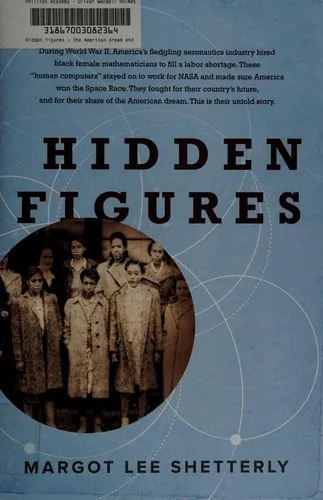
The books of the overlooked - the histories of the women of science, from the Hidden Figures story of the Black women mathematicians of NASA to the biographies of Rosalind Franklin, Lise Meitner and the countless others - complete the shelf: the books that recover the scholars the record forgot, and ask why they were forgotten. The reader who has read the overlooked knows that the history of science is not the history of the famous; it is the history of everyone who did the work.
How to Choose Your Book
Choosing well among scholar and scientist books means matching the book to the reader’s question and register.
Match the scale to the curiosity. Do you want the single great story (Longitude, The Double Helix), the full life (Einstein, Madame Curie) or the whole process (The Disappearing Spoon)? The scale determines the book.
Match the register to the appetite. The popular books - Longitude, The Immortal Life of Henrietta Lacks - are written for the general reader and need no prior science. The scientists’ own accounts - The Double Helix - are candid and adult. The heavy books - the Turing biographies - carry real weight, and the notes say so.
Match the person to your own questions. The category is a mirror of curiosity: the reader who wonders how genius works, how the overlooked are forgotten or how persistence beats brilliance will find their book.
For the reader who wants the fuller map, our thoughtful guide to scholars and scientists explains how the field works, and our education through history list extends the shelf into how scholars learned to do the work.
Content Notes: What to Expect
The honest note for the category: the lives of scholars and scientists include the full human range - rivalry, ego, illness, prejudice, tragedy. The Double Helix is candid about its author’s behavior; the Turing biographies carry the weight of his persecution; The Immortal Life of Henrietta Lacks includes medical exploitation and its legacy. None are gratuitous - the honesty is the subject - and the great ones are also among the most inspiring books ever written: the record of what persistence, curiosity and honesty can accomplish. The popular books are accessible to any reader from around fifteen upward. For readers who want the discoveries at a gentler register, our family-friendly scholars and scientists shelf offers the door.
A Reading Plan for Every Kind of Reader
For the first-time reader, start with Longitude.
For the reader who wants the deepest questions, start with The Immortal Life of Henrietta Lacks.
For the reader who wants the full life, start with Einstein: His Life and Universe.
For the reader who wants the process, start with The Disappearing Spoon.
For the reader ready for the tragic, start with the Alan Turing biographies.
For the reader who wants how they learned, our education through history list is the natural next shelf.
The Books That Ask the Justice Questions
The most important tier of the category is the justice shelf: the books that ask who is credited and who is forgotten - the questions that make the field meaningful rather than merely entertaining.
The Immortal Life of Henrietta Lacks by Rebecca Skloot (2010) is the essential justice book: the woman whose cells - taken without her knowledge in 1951 - became the HeLa line that made possible countless medical breakthroughs, while her family remained poor and uninformed for decades. It is the book that asks the deepest questions of the category - who owns knowledge, who is credited, who is exploited - and it is the book that most reliably changes how readers see the entire structure of scientific credit.
The books of Rosalind Franklin - most fully in Rosalind Franklin: The Dark Lady of DNA by Brenda Maddox (2002) - tell the story of the scientist whose X-ray data made the discovery of DNA’s structure possible, and whose credit was long denied. Reading Franklin’s story alongside Watson’s own account in The Double Helix is the category’s most instructive pairing: the same discovery, told from inside the credit and from outside it.
Hidden Figures: The American Dream and the Untold Story of the Black Women Mathematicians Who Helped Win the Space Race by Margot Lee Shetterly (2016) recovers the women whose calculations sent Americans to orbit - and who were kept out of the rooms their work made possible. The justice shelf teaches the reader the category’s deepest habit: hearing the name of a famous discovery and asking who else was in the room, and who was not credited. That habit transfers to every field the reader enters.
The Questions to Carry
The category’s whole method can be carried in a few questions, and the best books teach them by example.
Who did the work? The first question: the famous stand on the overlooked, and the honest reader asks who else was in the laboratory, the field or the archive.
Who gets the credit - and why? The second question: the credit is not automatic; it is decided, by people with interests, and the deciding has a history. The reader who asks it reads every discovery announcement differently.
What did it cost? The third question: the radiation that killed Curie, the persecution that destroyed Turing, the exploitation that took Henrietta Lacks’s cells. The cost is part of the meaning, and the honest books do not hide it.
Conclusion: The Human Discovery
The best books about scholars and scientists give the reader the truest picture of knowledge: that it is made by human beings - obsessed, flawed, overlooked and persistent - and that the record is full of people who did the work and were never credited. They show that discovery is not a clean march of genius but a human process, and that the process is as inspiring as the results. Choose the book that calls to you, read the notes, and meet the people behind the discoveries - and start at the Worlds section of our site for the full collection of reading paths.