Family-Friendly Books About Scholars and Scientists
Introduction: The Curiosity Before the Science
Children are the natural readers of books about scientists, because they are already scientists: they ask why, they test, they break things to see how they work. The family-friendly books about scholars and scientists take that curiosity seriously and tell the stories behind the discoveries - the childhoods, the questions, the persistence and the wonder. This list gathers the books that open the subject gently, with honest notes on age and content.
The Picture-Book Door: The Curious Child
For children from around four, the picture-book biographies are the perfect first step: the scientist as a child, the curiosity before the science, told in images a child can enter immediately.
The picture-book biographies of Marie Curie - most memorably Marie Curie by Isabel Sánchez Vegara in the Little People, Big Dreams series, and The Watcher: Jane Goodall’s Life with the Chimps by Jeanette Winter (2011) - are the essential doors. The child meets the person before the discovery: Curie the girl who loved to read in a house where books were the treasure, Goodall the child who watched the animals and grew up to watch the chimpanzees. The message is the same in every book: the scientist was once a child like you, asking the same questions.
The picture-book biographies of Einstein - including On a Beam of Light: A Story of Albert Einstein by Jennifer Berne (2013) - tell the story of the boy who asked what it would be like to ride a beam of light, and grew up to change physics. The book’s genius is that it keeps the wonder: Einstein’s questions are shown as the same questions a child asks, and the child reader learns that the questions are the beginning of everything.
The picture-book inventors - the stories of the young inventors, the everyday makers and the children who built things - complete the door: the child learns that discovery starts with a question and a try, and that the trying is available to everyone.
The Storybook Biographies: The Life Behind the Discovery
For readers from around six to ten, the storybook biographies deliver the real content: the full arc of a life of discovery, told at a child’s size.
Who Was…? and the biography series - including Who Was Marie Curie?, Who Was Albert Einstein?, Who Was Charles Darwin? - are the essential middle shelf: the illustrated chapter-book biographies that tell the whole life - the childhood, the struggle, the discovery, the legacy - in an evening’s reading. The series is the most reliable door into the category for young readers, and it covers everyone from the famous to the forgotten.
The Boy Who Harnessed the Wind by William Kamkwamba and Bryan Mealer, in its young readers edition (2012), is the perfect modern biography: the true story of a Malawian teenager who built a windmill from scrap to save his village from famine. It is the book that shows a young reader that they do not need a laboratory or a fortune to be a scientist - they need a problem, some curiosity and the refusal to stop. It is the most inspiring book in the family category.
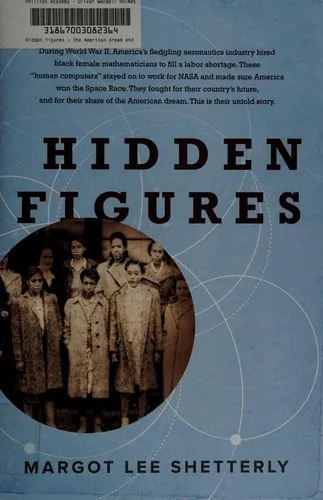
The girl who drew butterflies and the overlooked recovered - the young readers editions of the Hidden Figures story, the biographies of Rosalind Franklin, Lise Meitner and the women the record forgot - complete the shelf: the child learns that the famous stand on the overlooked, and that curiosity and persistence are not reserved for the famous.
The Middle-Grade Books: The Process Explained
For readers from around eight to twelve, the middle-grade books deliver the real content: how discovery actually happens, and the values that make it possible.
The Mystery of the Periodic Table and the science-history books - the illustrated histories of how the elements were found, how the planets were mapped, how the fossils were read - show the process: the wrong turns, the rivalries, the persistence. The middle-grade reader learns that discovery is rarely a clean Eureka; it is usually years of work by many people, with the famous standing on the overlooked.
The experiments books and the activity biographies - the books that pair each scientist’s story with the experiment the reader can do - are the perfect bridge: the child reads about the scientist, then does what the scientist did. The child who has grown the crystal, built the circuit or watched the moth has met the discovery for real, and the meeting is the whole lesson.
The books of the everyday scientist - the naturalists, the birdwatchers, the child inventors - complete the shelf: the child learns that science is not a distant laboratory but a way of paying attention, available on every walk and in every backyard.
Reading Together: The Family Practice
The books are half of the family education; the practice is the other half, and it is simple.
Try what they tried. After any scientist biography, do the experiment or the observation the person made: grow the bean, watch the bird, build the circuit. The child who has done what the scientist did has met the scientist for real - and the doing is the memory.
Keep a question book. The scientist’s whole method starts with a question, and the family that keeps a question book - every why, written down, investigated on weekends - is practicing the category every day. The question book is the child’s first laboratory notebook.
Tell the story of the overlooked. After any famous discovery, ask the child: who else was in the room? The habit of asking who is not in the story is the deepest value the category teaches, and it is learned by asking it at the family table.
For the family that wants to extend the shelf, our family-friendly education through history list carries how the scholars learned, and our clean mystery notes models the standard of honest notes we apply to every family shelf.
Content Notes: What to Expect
The honest note for parents: the books on this list were chosen precisely because they are gentle. The picture books keep the wonder; the biographies tell the struggles honestly but at a child’s register - the young readers edition of The Boy Who Harnessed the Wind tells the famine story with care. Nothing on this list is frightening or gratuitous. The notes in each listing tell you the age range and the content so you can choose for your child’s sensitivity. For families who want the same care in every category, our scholars and scientists themes and values notes explains the standard we apply.
A Reading Plan for Every Age
For the preschool child (four to six), start with the picture-book biographies - Curie, Goodall, Einstein.
For the early reader (six to eight), start with the Who Was…? series.
For the middle-grade reader (eight to twelve), start with The Boy Who Harnessed the Wind.
For the family reading together, read a biography, then try the experiment the person made.
For the family that wants how the scholars learned, our family-friendly education through history is the natural next shelf.
The Questions Children Actually Ask
The family-friendly books answer the questions children actually ask about science and discovery, and naming those questions makes the shelf navigable.
Was the scientist a child like me? The first question, and the one the picture-book biographies answer: the scientist was once a child asking the same questions - Curie the girl who loved to read, Einstein the boy who wondered about light, Goodall the child who watched. The recognition - they were like me - is the door, and it opens the whole category.
How did they find out? The second question, and the one the process books answer: discovery is rarely a clean Eureka - it is years of work, wrong turns and persistence, by many people. The child learns that the finding out is the story, and that they can do it too.
Who else was in the room? The third question, and the deepest: the famous stand on the overlooked, and the child who learns to ask who is not in the story has the category’s most transferable habit - the habit of asking who is not credited, in science and everywhere else.
The Family Shelf in Practice
The books work best in practice rather than in theory, and three simple habits organize the shelf.
Try what they tried. After any scientist biography, do the experiment or the observation the person made: grow the bean, watch the bird, build the circuit. The child who has done what the scientist did has met the scientist for real.
Keep a question book. The scientist’s whole method starts with a question, and the family that keeps a question book - every why, written down, investigated on weekends - is practicing the category every day.
Tell the story of the overlooked. After any famous discovery, ask the child: who else was in the room? The habit of asking who is not in the story is the deepest value the category teaches, and it is learned by asking it at the family table.
Conclusion: The Curiosity They Keep
The family-friendly books about scholars and scientists give children the rarest gift: the proof that the scientist was once a child like them, asking the same questions. They show that curiosity is available to everyone, that persistence beats brilliance and that the famous stand on the overlooked. The child who has read them knows that the question book, the experiment and the walk are the beginning of everything - and that they are allowed to be scientists now. Read them together, try what they tried, and keep the questions - and start at the Worlds section of our site for the full collection of reading paths.