Best Books About Historical Fiction by Markus Zusak

Introduction: The Words That Keep Us Human
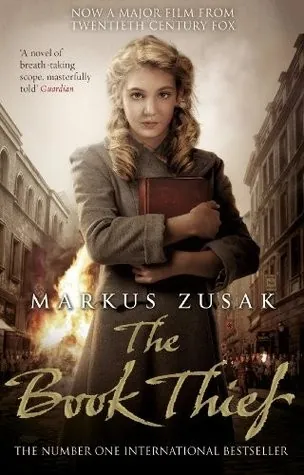
Markus Zusak is one of the most distinctive voices in contemporary fiction, and his reputation rests on a single towering achievement: The Book Thief (2005), the novel of a girl in Nazi Germany who steals books, narrated by Death and full of love, which has sold more than sixteen million copies and been read by readers of every age. But Zusak is more than one book: his other novels show the same craft, and his work sits at the heart of a tradition that tells the war through its least powerful witnesses. This guide maps Zusak’s books, the themes that make his writing cohere, and the companions for when you want more.
The Zusak Books in Reading Order
The Book Thief (2005) is the essential Zusak, and one of the most influential novels of the century. Set in Nazi Germany, it follows Liesel Meminger, a girl who steals books - the gravedigger’s handbook, the dictionary, the books from the mayor’s library - and who is raised by her foster parents amid the war and the Holocaust. The novel is narrated by Death, who is tired of his work and charmed by the girl, and its central claim is in its telling: words are what keep a person human, and the stolen books are the resistance. It is a young adult novel that adults read as one of the essential war books of the century.
The Messenger (2002) is the essential companion in different register: Ed Kennedy, an underachieving cab driver who begins receiving playing cards that send him on anonymous missions of kindness. It shares Zusak’s craft, with the war replaced by the everyday.
Bridge of Clay (2018) is the essential companion about the family: the five Dunbar boys and the bridge their brother builds, in the novel of the grief and the making. It shares Zusak’s prose and its heart, with the war replaced by the family.
Content Notes for Each Book
The Book Thief deals directly with the Holocaust: the roundups, the marches, the deaths - and the war that kills the people Liesel loves. None of it is gratuitous; the weight is historical and the telling is beautiful, but the novel does not flinch. It is a young adult novel, most naturally from around age thirteen or fourteen upward, with discussion.
The Messenger is gentler in register: the missions of kindness are suitable for readers from around age fourteen upward.
Bridge of Clay deals with grief and family; it is best for readers from around age sixteen upward.
The Historical Fiction Themes in Zusak’s Work
Three themes give Zusak’s historical fiction its distinctive shape.
The words as the resistance is his central claim. The Book Thief’s argument - that Liesel’s stolen books are what keep her human, and that words are the thing the war cannot take - is the load-bearing structure of his whole work. Zusak’s history is the history of the readers, and his conviction is that the reading is the resistance.
The young as the witnesses is the second theme. Zusak tells the war through its least powerful witnesses - the girl, the children, the young - and his conviction is that the young see the truth the adults manage to avoid. The books agree that the least powerful are the clearest eyes.
The beauty as the carrying is the third theme. Zusak’s prose carries the Holocaust’s weight with beauty rather than noise, and his conviction is that the beauty is not an escape from the darkness but the way the darkness becomes bearable. The books agree that the telling matters as much as the tale.
Why Zusak’s Historical Fiction Endures
The Book Thief has sold more than sixteen million copies and been adapted into a feature film, and its endurance rests on a simple achievement: Zusak told the Holocaust through a girl and her stolen books, narrated by Death, and made the weight bearable. The novel’s structure - Death’s narration, the words, the love - let readers hold the whole war in the span of one childhood, and its beauty made the darkness carryable. It became the book that readers recommended to teenagers and to their parents, and it remains one of the most influential novels of the century.
His influence extends beyond the page: the novel shaped how readers talk about the war’s young witnesses and the role of reading in the resistance, and it opened the door for the wave of young-adult war fiction that followed. But the book endures as literature because of its voice: Death’s weariness, Liesel’s love, the words that carry both.
Companion Books for Every Zusak Reader
When you have finished Zusak’s own books, these titles extend the same territory.
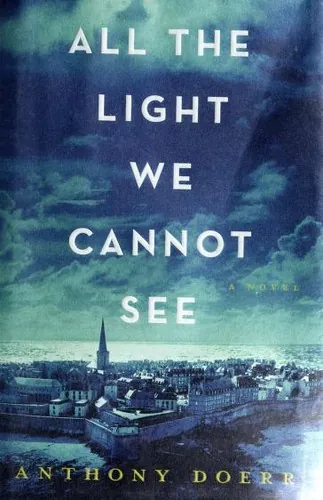
All the Light We Cannot See by Anthony Doerr (2014) is the essential companion: Marie-Laure, a blind French girl, and Werner, a German radio operator, whose paths converge in occupied Saint-Malo. It shares Zusak’s young narrators and its luminous prose.
The Librarian of Auschwitz by Antonio Iturbe (2012) is the essential companion about the books in the worst place: Dita Kraus, the fourteen-year-old who guards the eight books smuggled into Auschwitz. It shares Zusak’s engine - the words that keep people human.
Salt to the Sea by Ruta Sepetys (2016) is the essential companion about the forgotten tragedy: four young people who flee toward the Wilhelm Gustloff. It shares Zusak’s young narrators and its weight.
For the gentler shelves, our family-friendly historical fiction gathers the era at a register for younger readers, and our family-friendly civilizations and culture extends the reading into how the war’s worlds were built.
A Reading Plan for Book Clubs
The Book Thief generates conversation on every level: the narrator, the words, the question of what keeps a person human under the worst. The most fertile questions are the ones the novel refuses to settle: Why does Zusak tell the story through Death? What are the words actually for - and is reading enough of a resistance? Does the novel’s beauty risk softening the Holocaust’s horror - or is the beauty the point?
The book also generates the hardest kind of discussion: the question of what the young witnesses see that the adults avoid, and what the reader is meant to do with it. Clubs should expect the conversation to be moving rather than comfortable - the novel rewards exactly the kind of feeling it dramatizes.
A Note on the Book’s Structure and Editions
The Book Thief is narrated by Death, which gives the reader the knowledge of what the child cannot yet know - and the novel’s power comes from that double vision. Readers should know that the novel’s two halves are different in kind: the first half builds Liesel’s world in the comedy and warmth of the Hubermann house, and the second half brings the war crashing into it. The words - the stolen books, the dictionary, the writing in the basement - are the novel’s moral architecture, and the second reading is where the book becomes a companion rather than an account.
What Zusak’s Books Teach Together
Read together, The Book Thief and Bridge of Clay form a conversation about the words that carry us: the words that keep Liesel human in the war, and the words - the story, the telling - that the Dunbar boys use to carry their grief. Both are built on the same conviction - that the telling is the treasure, and that the words are the resistance - and each one widens the claim: the words against the war, the words against the loss. That is why the books belong together on the same shelf, and why readers who finish one should not stop there.
How to Read Zusak as a Beginner
The Book Thief is accessible to readers from their early teens, and the practical advice for the first-time reader is simple. Start with The Book Thief and let Death’s narration carry you: the novel’s voice is its engine, and the reader who surrenders to the narration will feel the weight of what the child narrator cannot yet understand. Keep the frame in mind from the start - the novel tells you early what will happen to the people you come to love, and that knowledge is the point: the reader is meant to carry the ending through the whole book. And know that the novel’s darkness is held in a light register: the Hubermann house, the stolen books and the love are the resistance, and the beauty is how the weight becomes bearable. For the reader who wants Zusak’s craft in a different register, The Messenger is the natural companion - the same voice and the same heart, with the war replaced by the missions of kindness.
Why the Words Are the Resistance
The Book Thief’s deepest claim is that words are what keep a person human - that Liesel’s stolen books, the dictionary, the story she writes in the basement, are the resistance the war cannot take. This is why the novel’s narrator is Death and its hero is a reader: the words are the thing that survives, and the telling is the treasure. The claim has a literary weight as well as an emotional one: Zusak’s conviction is that reading is not an escape from history but a way of carrying it, and that the books we hold are how we stay human inside the worst of it. Readers who come to Zusak from the tradition of the war’s young witnesses - from Doerr’s radio operator to Sepetys’s refugees - will recognize the method, and readers who come fresh will find in Liesel’s stolen books the clearest door into the war told through its least powerful eyes.
Conclusion: The Words That Keep Giving
Markus Zusak’s contribution to historical fiction is a single achievement, and it has entered the language of readers everywhere: words are what keep a person human. He wrote it into the stolen books of a girl in Nazi Germany, narrated by Death, and it has outlasted every war novel with a larger body count. His history is the readers’ history; his heroes are the least powerful witnesses; his craft is the beauty that makes the darkness bearable. Read him, and let Liesel show you what the words are really made of. For more reading paths, explore the Worlds section of our site.