Family-Friendly Civilizations and Culture Books
Introduction: The Big Questions at the Right Size
Children ask the biggest questions adults have stopped asking: Why do we live in houses? Why do we have money? Why do countries exist? Why do some places have more than others? The family-friendly books about civilizations and culture take those questions seriously and answer them at a child’s size - through daily life, buildings, inventions and stories rather than through war and statistics. This list gathers the books that open the subject gently, and the notes that let you choose wisely.
The Picture-Book Door: Meeting the People First
The best way into civilizations and culture for young children is through daily life: what it was like to be a child in ancient Egypt, to shop in a Roman market, to live in a medieval town. The picture-book tour lets the child meet the people before the politics, and that is the right order.
A Street Through Time by Anne Millard and Steve Noon (1998) is the ideal first book: a single street, shown across twelve thousand years, from the Stone Age to the present. Every page redraws the same scene with new buildings, new clothes and new technologies, so a child literally watches a civilization grow, flourish and change under their eyes. It is the rare book that teaches the big pattern - rise, change, persistence - with almost no text at all.
The Story of People by Catherine Barr and Steve Williams (2019) is the picture-book version of the whole human story, from the first humans to the present, told with warmth and humor and illustrated throughout. It answers the biggest questions - how did we get here, why do we live the way we do - at a register a child can actually absorb, and it does not flinch from the hard parts while staying gentle.
This Is How We Do It: One Day in the Lives of Seven Kids from around the World by Matt Lamothe (2017) brings culture down to the morning: seven real children in seven countries - Italy, Japan, Iran, India, Peru, Uganda and Russia - shown eating breakfast, going to school and playing after dinner. For young children, culture is not an abstraction; it is lunch and bedtime, and this book makes the whole world feel like neighbors.
The Illustrated Histories: The Story Made Visible
For readers from around eight to twelve, the illustrated narrative histories deliver the real content - the inventions, the cities, the reasons - with pictures carrying half the load.
The Story of Civilization series adapted for children, and illustrated single-volume histories like A Child’s History of the World by V. M. Hillyer (1924, still in print), carry the child from ancient Egypt through the fall of Rome and beyond in connected narrative. The great virtue of these books is the story: civilization becomes one long tale the child wants to follow, and the sequence - who came next and why - is the structure that makes history stick.
Ancient Worlds: A Global History of Antiquity by Michael Scott (2016), in its illustrated editions, and single-civilization guides like the Eyewitness volumes on Ancient Egypt, Ancient Rome and Ancient Greece, give the young reader the concrete texture: the pyramids, the aqueducts, the temples, the everyday objects. Children love the specificity - the bread molds, the game boards, the toys - and the specificity is where the meaning hides.
Where Is the Great Wall? and the rest of the “Where Is…?” and “What Was…?” series by various authors translate the big structures - the Great Wall, the Colosseum, the pyramids - into short, lively, illustrated chapter books that a middle-grade reader can finish in an evening and retain for a lifetime.
The Middle-Grade Narrative: The Questions Behind the Story
From around ten to fourteen, readers are ready for the actual questions of the field: Why do some places have more than others? Why do civilizations fall?
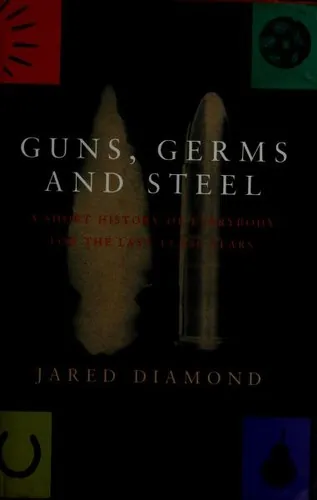
Guns, Germs, and Steel: The Young Readers Edition by Jared Diamond (2014, adapted by Judith Krug) is the standout: the Pulitzer Prize-winning argument - that geography, not racial superiority, explains why some societies developed power and technology - rewritten for young readers without losing the argument. It is the book that answers the sharpest question a thoughtful young person can ask about the world, and it answers it kindly and truthfully.
The Boy Who Harnessed the Wind (young readers edition) by William Kamkwamba and Bryan Mealer (2012) is the perfect companion: the true story of a Malawian teenager who built a windmill from scrap to save his village from famine. It is not a civilization book in the textbook sense, but it is a civilization book in the truest sense - one young person changing the rules of possibility in his community through knowledge and persistence.
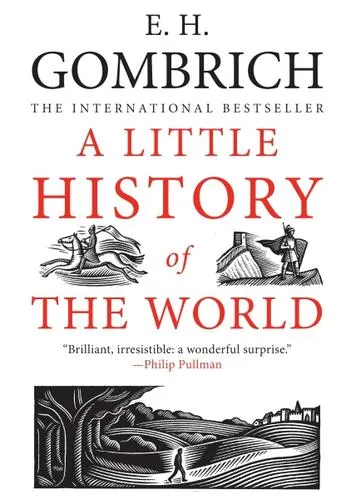
A Little History of the World by E. H. Gombrich (written 1935, translated 2005) is the classic middle-grade narrative of the whole of human history, written in letters to a child and never out of print in its German original. Gombrich tells the story of the world as a story - engaging, opinionated, humane - and it remains the best single volume for a young person who wants the whole arc before the details.
Reading Together: The Family Practice
The books are half of the family education; the reading practice is the other half, and it is simple.
Choose one civilization and go deep. Rather than sampling everything, spend a season on one world - ancient Egypt, say, or the Maya - reading the picture books, the illustrated histories and the middle-grade narratives about it. Depth makes the subject feel real, and feeling real is what makes it stick.
Read the objects. Museums and illustrated books of everyday objects - the toys, the tools, the bread - turn abstract civilizations into the lives of children like themselves. When a child holds the idea that a Roman child played with a board game, the whole empire becomes personal.
Talk about the questions, not the dates. The family conversation after the chapter matters more than the chapter: Why do we think that civilization was great? What did it give us that we still use? What made it fall? Those conversations are where the values of the category - curiosity, humility, gratitude - are actually taught.
For the family that wants to extend the shelf, our family-friendly world literature gathers the stories that the cultures tell about themselves - the other half of understanding a civilization is hearing its own voice.
Content Notes: What to Expect
The honest note for parents: civilization and culture includes the hard parts of history - war, conquest and collapse - and no honest book can hide them entirely. The books on this list handle those parts at a child’s register: the young readers edition of Guns, Germs, and Steel keeps the argument and softens the cruelty, and the picture books mention hardship without dwelling on it. The general rule: read the notes in each listing, and when in doubt, read the book yourself first. For families who want the same care in fiction, our closed-door romance notes model the standard we apply to every category - the values are named, the notes are honest, and nothing is gratuitous.
A Reading Plan for Every Age
For the preschool child, start with This Is How We Do It - culture as breakfast and bedtime.
For the early reader (six to eight), start with A Street Through Time - civilization as one street across twelve thousand years.
For the middle-grade reader (eight to twelve), start with the illustrated histories, then the Where Is…? series.
For the young teen (ten to fourteen), start with the young readers edition of Guns, Germs, and Steel.
For the family reading aloud, start with A Little History of the World - one chapter a night.
For the family that wants the stories, our family-friendly world literature is the natural next shelf.
The Questions Children Actually Ask
The family-friendly books answer the questions children actually ask, and naming those questions makes the shelf navigable.
Why do we live the way we do? The picture-book door answers this: A Street Through Time shows a single street changing over twelve thousand years, and the child watches houses, clothes and tools grow under their eyes. The answer to the biggest question is delivered with almost no text at all.
Why do some places have more than others? The middle-grade shelf answers this: the young readers edition of Guns, Germs, and Steel explains that geography - the rivers, the climate, the plants and animals a region was given - explains the difference, and it answers without cruelty or blame. It is the book that meets the sharpest question a thoughtful young person can ask.
Why do things end? The collapse books, at a child’s register, answer this: the fall of civilizations is not a frightening mystery but a story of choices - societies that damaged their own foundations. The child learns that endings have causes, and that is the beginning of wisdom.
What was it like to be a child then? The illustrated histories answer this best: the toys, the bread, the board games, the schoolrooms. The specificity is the doorway - a Roman child’s game makes the whole empire personal, and personal is what sticks.
The Family Shelf in Practice
The books work best in practice rather than in theory, and three simple habits organize the shelf.
Keep a world map in the reading corner. When the family finishes a book about ancient Egypt, find Egypt on the map; when the middle-grade reader finishes the young readers edition of Guns, Germs, and Steel, trace the east-west axis. The map turns the books into a geography lesson without a single worksheet.
Read one civilization a season. Rather than sampling everything, spend a season on one world - ancient Egypt, the Maya, medieval Europe - reading the picture books, the illustrated histories and the middle-grade narratives about it. Depth makes the subject feel real, and real is what sticks.
Let the child’s questions drive the shelf. The child who asks why we have money is ready for the money chapter; the child who asks why some places have more is ready for the geography argument. The questions come first; the books follow the questions.
Conclusion: The World They Will Inherit
The family-friendly books about civilizations and culture give children the rarest of gifts: the world explained. They answer the big questions at the right size, they build the story from daily life outward, and they hand the child the frameworks - environment, institutions, culture - that will organize their understanding of the news for the rest of their lives. Read them together, talk about the questions, and let the child meet the people before the politics - and start at the Worlds section of our site for the full collection of reading paths.