Best Books About Civilizations by Mary Beard
Introduction: The Civilization That Built the West
Mary Beard is the most famous classicist in the English-speaking world - the Cambridge professor and broadcaster whose books have made the civilization of ancient Rome urgent for millions of readers. Her essential book is SPQR: A History of Ancient Rome (2015), the history that asks how the greatest civilization of the ancient world rose and what it meant to be Roman. This guide maps Beard’s books on civilization, the themes that make her writing cohere, and the companions for when you want more.
The Beard Books in Reading Order
SPQR (2015) is the essential Beard on civilization, and the book that made ancient Rome new again. It is a history of Rome from its mythical foundation to the early third century, and its argument is that Rome’s rise was neither inevitable nor a story of simple decline. Beard builds the book on the evidence and the debates - the inscriptions, the archaeology, the letters, the graffiti - and the questions the historians argue about. It is the key to everything else she has written.
SPQR is also the doorway into Beard’s other books on the classical world: Pompeii: The Life of a Roman Town (2008) turns the lens onto one city, and Confronting the Classics (2013) gathers her essays on the classical tradition.
The Roman Triumph (2007) is the essential companion about the ceremony: Beard’s study of the triumph, the procession that celebrated Rome’s victories. It shares her method, with the ritual at the center.
Emperor of Rome (2023) is the essential companion about the rulers: Beard’s study of what it was actually like to be a Roman emperor - the job, the palace, the bodyguards and the endless performance. It shares the civilization, with the office at the center.
Content Notes for Each Book
SPQR deals with war, violence, slavery and the cruelty of the Roman world - treated with Beard’s directness rather than graphic relish. It is best for readers from around age sixteen upward.
Emperor of Rome deals with the violence and excess of the imperial office; it is best for readers from around age sixteen upward.
Pompeii deals with the eruption and the daily life of the Roman town; it is suitable for interested readers from around age fifteen upward.
The Civilization Themes in Beard’s Work
Three themes give Beard’s writing on civilization its distinctive shape.
The civilization as the debate is her signature method. Beard never presents Rome as a settled story; she shows the evidence and the arguments, and her conviction is that a civilization is best understood through its own debates about itself. The books agree that the questioning is the knowing.
The inside as the view is the second theme. Beard writes civilization from the inside - the daily life, the graffiti, the ordinary people as well as the emperors - and her conviction is that the inside view is the truest one. The books agree that the street is as important as the forum.
The inheritance as the meaning is the third theme. For Beard the point of studying Rome is the inheritance - the law, the language, the institutions, the ways of thinking that the West built on - and her conviction is that the civilization still shapes us. The books agree that the past is present.
Why Beard’s Civilizations Endure
SPQR became an international bestseller and remains the standard introduction to the civilization of ancient Rome for the general reader, and its endurance rests on a simple achievement: Beard made the Romans strange again - a people who were debating what their civilization meant just as we debate what ours means, and whose world is both familiar and alien. The book became the shared doorway into the classical past for a generation.
Her influence extends beyond the book: the television series and the public arguments made Beard the voice of the classical tradition in popular culture. But the books endure because of their conviction: that the civilization must be understood from the inside, and that the debate is the way to the truth.
Companion Books for Every Beard Reader
When you have finished Beard’s own books, these titles extend the same territory.
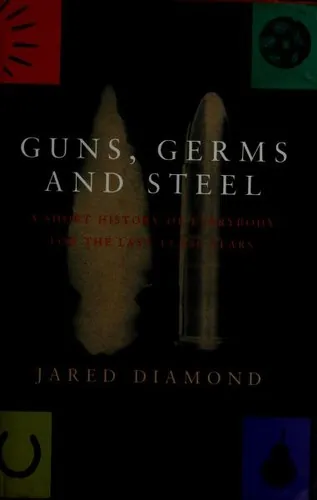
Guns, Germs, and Steel by Jared Diamond (1997) is the essential companion about the big picture: the study of why some civilizations rose and others fell. It shares the long view, with the argument at the center.
The Story of Civilization by Will Durant (1935–1975) is the essential companion about the sweep: the eleven-volume history of civilization from the ancient world to the age of Napoleon. It shares the subject, with the canvas at its widest.
Powers and Thrones by Dan Jones (2021) is the essential companion about the inheritance: the history of the medieval world built on the ruins of Rome. It shares the long view, with the centuries after Rome at the center.
For the fuller shelves, our best civilizations and culture list gathers the big-picture books, and our best cultural heritage list extends the shelf into the traditions themselves.
A Reading Plan for Book Clubs
SPQR generates conversation on every level: the evidence, the argument, the question of what Rome actually was. The most fertile questions are the ones the book refuses to settle: Was Rome’s rise inevitable? Was the empire a good thing for the people it ruled? What does the book ask the reader to make of the Romans’ own debates about being Roman?
The book also generates the hardest kind of discussion: the question of how we know the past at all - and whether the myths we tell about Rome (decline, fall, greatness) are the truest way to tell it. Clubs should expect the conversation to range from the republic to the empire to the present day, which is exactly the range Beard intended.
A Note on the Book’s Structure and Editions
SPQR is a long book, and readers should know that it is structured as a single continuous argument rather than a series of set pieces - Beard’s history moves from the foundation myths to the empire, with the debates woven throughout. Her method is to show the evidence and the argument together, so the reader is always in the historian’s workshop. The book rewards the patient reader with the fullest view of how the classical past is actually known.
How Beard Reads the Evidence
One of the most distinctive things about Beard’s method is that she shows her work. Where many historians present a finished narrative, Beard takes the reader into the historian’s workshop: she shows the inscription and the argument about what it means, the archaeology and the debate about what it proves, the letter and the question of whether it can be trusted. She is famous for saying that the past is not a settled story but a series of arguments, and her conviction is that the reader deserves to see the arguments rather than being handed the conclusions. The reader who wants to understand why SPQR feels so alive should watch for the moments where Beard steps back from the story to show the evidence - those are the moments where the method becomes visible.
Why the Romans Matter for Medieval Readers
The medieval world was built on the foundations Beard maps, and that is why her books belong on a medieval history shelf. The Roman law, the Latin language, the institutions of the Church, the roads and the cities - the Middle Ages inherited them all, and the medieval reader who understands Rome understands the Middle Ages better. Beard’s long view - from Rome to the medieval world to us - is the bridge that connects the sections of this site: the civilization that built the West is the same civilization the medieval world was built on. The reader who reads Beard and then moves to the medieval histories will see the inheritance on every page.
What Beard’s Books Teach Together
Read together, SPQR and Emperor of Rome form a conversation about the civilization: the first book tells the story of Rome from its foundation, and the second zooms in on the office of the emperor - the man at the center of the system. Both are built on the same conviction - that the civilization is best understood from the inside, in its debates and its daily life - and each one widens the claim: the city and the office. That is why the books belong together on the same shelf, and why readers who finish one should not stop there.
Where to Begin and What to Read Next
For readers new to Beard, SPQR is the essential starting point - it is her masterpiece and the standard introduction to the civilization of ancient Rome, and it shows every element of her method at its best. Readers who want the office should follow it with Emperor of Rome; readers who want the ceremony should move to The Roman Triumph; and readers who want a single city should read Pompeii. And because Beard is best read beside the other big historians, the natural next shelf pairs her with the causes of Diamond, the sweep of Durant and the structures of Braudel - the debate, the environment, the story and the deep time, together forming the fullest picture of what civilizations are made of.
Conclusion: The Forum Still Standing
Mary Beard’s contribution to the literature of civilization is a single achievement, and it has entered the language of readers everywhere: the civilization as a debate. She wrote it into the stones of Rome and the arguments of the historians, and it has outlasted every attempt to reduce the classical world to a single story. Her Rome is the West’s foundation; her method is the inside view; her craft is the scholarship worn lightly. Read her, and let the forum show you what the civilization was really made of. For more reading paths, explore the Worlds section of our site, or continue with our scholars and scientists list.