A Thoughtful Guide to Cultural Heritage
Introduction: The Inheritance Made Visible
Cultural heritage is the strange category that includes everything and is invisible most of the time: the recipe, the festival, the song, the building, the language, the story - everything a community inherits and passes on without noticing it is doing so. The books about heritage do what the category itself does: they make the invisible inheritance visible, and they ask the questions that matter - what are we carrying, why, and what should we keep? This guide explains what the best books are doing, how to choose among them and what to expect from them.
What the Best Books Are Doing
The great heritage books are doing one of three things, and knowing which helps the reader choose.
They are telling the story of a tradition. Books like Salt and The Book of Tea take one inheritance - a substance, a ceremony - and follow it through the centuries, showing how a single tradition carries a whole civilization’s memory. They are the books of the deep dive.
They are asking what heritage is. Books like The Invention of Tradition and the scholarly studies turn the lens on the category itself: how traditions are made, why communities invent them and what counts as genuine inheritance. They are the books of the question.
They are mourning and celebrating. Books like The Hare with Amber Eyes and How the Irish Saved Civilization carry the category’s emotional center: the loss of what was carried and the rescue of what survived. They are the books of the feeling.
The reader who knows which they want - the story, the question or the feeling - can choose accordingly.
The Questions Behind the Books
Every heritage book is an answer to one of a handful of questions, and naming them makes the field navigable.
What is genuine inheritance? The authenticity question: which of our traditions are truly old, and which were invented yesterday and called ancient? The Invention of Tradition is the essential answer: far more than we think are recent inventions - and the honest books say the discovery does not make them worthless, only more interesting.
How does a tradition travel? The transmission question: how do recipes, songs and festivals survive across centuries and borders - through writing, through practice, through memory? The best books show that heritage travels in bodies as much as books: the hands that knead, the voices that sing.
What do we choose to keep? The preservation question: heritage is not automatic - communities choose, consciously or not, what to carry forward. The best books ask what the choice is based on, and whether preservation is always right.
What is lost, and what does the loss cost? The memory question: every heritage has its losses, and the best books mourn them honestly - while the recovery books, like The Lost City of Z, show that what seemed lost can sometimes be found again.
How to Choose a Book
Choosing well means matching the book to the reader’s question and register.
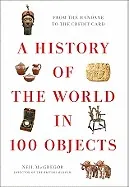
Choose the scale. Do you want the whole inheritance (A History of the World in 100 Objects), the single tradition (Salt, The Book of Tea), the single family (The Hare with Amber Eyes) or the single place (The Living Mountain)? The scale determines the book.
Choose the register. The narrative histories - How the Irish Saved Civilization, The Lost City of Z - are written for the general reader and accessible from around fifteen upward. The scholarly works - The Invention of Tradition - are denser and best for committed readers. The heavy books - Say Nothing - carry real weight, and the notes say so.
Choose the mirror. The category is most personal when the reader starts with their own traditions - the book about the customs they grew up with. The recognition - this is my inheritance, and I never saw it - is the category’s deepest reward.
The Themes and Values of the Category
The best heritage books carry a consistent set of themes, and they are what the category is really for.
Heritage is carried in the everyday. The books agree that the inheritance lives in the ordinary - the recipe, the festival, the craft - not only in the monument. The everyday is where heritage is actually kept.
Heritage is an act, not a thing. The books agree that heritage is something people do - carrying, choosing, passing on - not a museum of finished objects. The category’s heroes are the carriers: the monk copying the text, the grandmother teaching the recipe.
Heritage is contested. The books agree that the inheritance is argued over: what one generation treasures, another questions, and the honest books hold both sides. The disagreement is not a flaw in the category; it is the category’s life.
Content Notes: What to Expect
The honest reading note for the category is this: heritage includes loss, and the best books do not hide it. The Hare with Amber Eyes carries the weight of the Holocaust; Say Nothing carries the weight of the Troubles; the recovery books carry the sorrow of what the record lost. None are gratuitous - the loss is the subject. The narrative histories are accessible from around fifteen upward; the scholarly works are best for committed readers from around seventeen. For readers who want the traditions at a gentler register, our family-friendly cultural heritage offers the door, and our family-friendly fiction list extends the gentle shelf into the stories.
A Reading Plan for Every Kind of Reader
For the first-time reader, start with A History of the World in 100 Objects.
For the reader who wants the story of one tradition, start with Salt.
For the reader who wants the deepest questions, start with The Invention of Tradition.
For the reader ready for the weight, start with The Hare with Amber Eyes.
For the reader who wants their own traditions made visible, start with the book about the culture they grew up in.
For the reader who wants to know how we know the past, our guide to historical accuracy extends the shelf into the question of evidence.
A Closer Look: The Books Themselves
The guide is more useful when it names the actual books, so here is the shelf in brief - the essential titles, what each one argues and who each one suits.
A History of the World in 100 Objects by Neil MacGregor (2010) argues that the whole human story can be read from the things cultures made and kept - and it is the most accessible door into the category, needing no prior knowledge.
Salt: A World History by Mark Kurlansky (2002) argues that a single everyday substance carries an entire civilization’s memory - the food, the taxes, the wars, the folkways - and it is the book that makes the reader’s own kitchen visible as heritage.
The Book of Tea by Okakura Kakuzō (1906) argues that a daily practice is a heritage - the tea ceremony as the heart of Eastern culture - and it is the most elegant book in the category, a classic of living tradition.
How the Irish Saved Civilization by Thomas Cahill (1995) argues that heritage is an act of rescue - the monks who copied and carried the classical texts while Europe burned - and it is the book that makes the reader feel heritage as something people do.
The Hare with Amber Eyes by Edmund de Waal (2010) argues that objects carry the whole weight of a family’s life and loss - the netsuke that survived the flight from Vienna - and it is the most moving book in the category, the masterwork of heritage made physical.
The Invention of Tradition edited by Eric Hobsbawm and Terence Ranger (1983) argues that much of what we call ancient was recently made - and it is the essential critical book, the one that makes the reader ask what is genuinely inherited.
The Common Mistakes New Readers Make
The category has a few well-worn mistakes, and naming them saves the reader a season of frustration.
Treating heritage as a museum. The reader who expects only old, finished objects misses the category’s real subject: the living traditions - the recipes, the festivals, the crafts - still being practiced today. Heritage is not a display; it is an act.
Reading only the celebration or only the critique. The reader who reads only the celebrators believes heritage is always good; the reader who reads only the critics believes it is always invented. The category is the conversation between the two, and the single-sided view is always a partial view.
Skipping the notes. The subject includes loss - the Holocaust, the Troubles, the vanished civilizations - and the reader who skips the honest notes can be genuinely surprised. Read the notes first, and the book will not surprise you wrongly.
Conclusion: The Inheritance Made Visible
The books about cultural heritage give the reader the rarest gift: their own inheritance made visible. They show that the recipe, the festival, the song and the object are not trivial - they are the carriers of identity, and the question of what we keep is the question of who we are. The best books mourn what is lost, celebrate what survives and ask the reader to see their own customs for the first time. Choose the question that calls to you, choose the scale and the register, read the notes - and meet your inheritance. For the full collection of reading paths, start at the Worlds section of our site.