Family-Friendly Family Friendly Fiction
There is a particular kind of magic that happens when a book can be passed from a grandparent to a parent to a child, each of them reading the same words and finding something different in them. That is the promise of family friendly fiction. It is not a genre so much as a covenant: the author agrees to tell a story with real stakes and real feeling without relying on shock value, and the reader agrees to bring an open heart. When the bargain works, you get a book that lives on a shared shelf for decades, worn at the spine from being read aloud on camping trips, in hospital waiting rooms and on rainy Sunday afternoons.
This guide is built for that kind of reading. Below you will find a carefully selected set of family friendly fiction books, honest content notes, and a discussion of the themes, characters and values that make these stories worth sharing. Whether you are assembling a family friendly fiction reading list for a long car trip or looking for the best family friendly fiction to read with a ten-year-old and a seventy-year-old in the same room, the titles here were chosen to serve both readers.
What Family Friendly Fiction Really Means
Before we talk about specific books, it helps to be precise about the term. Family friendly fiction is often confused with children’s literature, but the two are not the same. Children’s books are written with a specific young audience in mind. Family friendly fiction, by contrast, is written for readers of many ages at once. The vocabulary may be simple enough for a confident middle-grade reader, but the emotions, jokes and moral questions are designed to resonate with adults too.
A good test is the read-aloud test: if a story works when a parent reads it aloud to a child, and it also works when that same parent recommends it to their book club, it is probably family friendly fiction. The books in this guide pass that test. They are the best family friendly fiction in the sense that they reward rereading, they spark conversation, and they do not embarrass anyone when read in mixed company.
The stories below are organized by the kind of experience they offer. Some are gentle and restorative. Some are adventurous. Some ask hard questions about fairness and courage. All of them keep the content clean without keeping the meaning small.
Gentle Stories with Big Hearts
Some of the best family friendly fiction operates in a quiet key. These are books about ordinary life made extraordinary by kindness, patience and observation. They are ideal for winding down at the end of the day, and they often become the books that children ask to hear again and again.
Kate DiCamillo’s novels sit at the top of this category. Because of Winn-Dixie tells the story of Opal, a preacher’s daughter who adopts a scruffy, smiling dog and, through him, discovers the hidden stories of the people in her small Florida town. The book is funny and warm, but it does not flinch from loss: Opal’s mother left years ago, and the town’s librarian, Miss Franny Block, carries a sadness of her own. DiCamillo trusts her young readers with these feelings, which is exactly why adult readers trust her back.
In the same spirit, The One and Only Ivan, which won the Newbery Medal in 2013, is told from the point of view of a gorilla living in a shopping mall. Ivan’s friendship with a baby elephant named Ruby and his slow decision to tell the truth about his life make for a story about art, memory and freedom. The prose is spare, almost like poetry, and it reads beautifully aloud.
For families who want a classic with the same gentle register, The Secret Garden by Frances Hodgson Burnett remains unbeatable. Mary Lennox, the cross, lonely girl at the center of the story, is not softened into sweetness; she is changed by the garden and by the friends she makes there. The book is a meditation on how nature and companionship can heal a closed heart, and its orchard imagery has entered the cultural bloodstream.
Adventures the Whole Family Can Share
If the gentle books are for winding down, the adventure books are for winding up. Family friendly fiction can be thrilling without being frightening, and the best adventure stories for families trade in curiosity, courage and cleverness rather than gore.
The Hobbit by J. R. R. Tolkien is the grandfather of this kind of story. Bilbo Baggins, a comfort-loving hobbit, is swept into a quest with thirteen dwarves and a wizard, and the book’s great trick is that Bilbo never stops being a sensible, tea-drinking creature even as he outwits trolls and speaks with dragons. The chapters are the perfect length for bedtime reading, and the humor lands for listeners of every age.
For a contemporary adventure with a similar spirit, The Mysterious Benedict Society by Trenton Lee Stewart follows four gifted children who answer a newspaper advertisement and find themselves enrolled in a secret school run by the enigmatic Mr. Benedict. The puzzles are genuinely clever, the friendships are the heart of the book, and the villains are menacing without ever becoming truly scary. It is a family friendly fiction reading list staple for good reason.
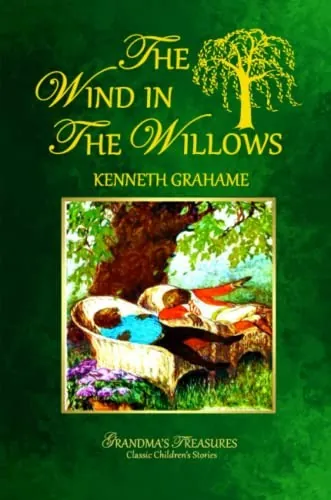
Fans of animal adventure should not miss The Wind in the Willows by Kenneth Grahame. On its surface it is the story of Mole, Rat, Toad and Badger going on picnics and motorcar escapades along the river. Beneath that surface it is a book about home, loyalty and the courage to be a little wild sometimes. The chapter called “The Piper at the Gates of Dawn” is one of the most quietly mystical passages in English children’s literature.
Funny Books That Adults Laugh At Too
One of the surest signs of family friendly fiction done right is that the jokes have two layers: the layer the kids catch and the layer the adults catch. Humor is also the fastest way to get a reluctant reader to turn the page, which is why this category deserves its own section.
The Chronicles of Prydain by Lloyd Alexander begins with The Book of Three, the story of Taran, an assistant pig-keeper who dreams of glory and gets mostly mud. Alexander’s humor is dry and affectionate, aimed squarely at readers old enough to recognize their own ambitions in Taran’s foolishness. The series deepens as it goes, and the final volume, The High King, earns its Newbery Medal with a genuinely moving meditation on what we give up when we grow up.
For pure, consistent laughter, Ramona Quimby, Age 8 and the rest of Beverly Cleary’s Ramona books are unmatched. Ramona is not a perfect child; she is a real one, full of good intentions and bad timing. Cleary’s genius is that she never mocks Ramona, and so the humor comes from recognition rather than superiority. Parents reading these books aloud will laugh at the adult characters’ exasperation, while children laugh at Ramona’s adventures, and both are laughing at the same page.
Howl’s Moving Castle by Diana Wynne Jones is a fantasy novel that behaves like a comedy. Sophie, the eldest of three sisters, is cursed into the body of an old woman and goes to work as a cleaning lady for the vain, cowardly wizard Howl. The book is a puzzle box of misdirection and jokes, and its central romance is one of the most satisfying in modern fantasy. It works for strong middle-grade readers and for adults who want their fantasy served with wit.
Stories That Ask Big Questions
The deepest family friendly fiction does not settle for comfort. The best family friendly fiction, the kind that becomes a family’s private language, is the kind that asks questions: What do we owe strangers? How do we forgive? What does it mean to be brave when you are afraid?
The Giver by Lois Lowry is the standard-bearer here. In a community that has eliminated pain, conflict and choice, twelve-year-old Jonas is selected to receive the memories of the world that came before. The book is a quiet, devastating argument for the value of feeling everything, even the painful parts. It is often read in schools, but it rewards adult rereading enormously, and it is the rare dystopia that works for readers who have not yet been introduced to the genre.
Bridge to Terabithia by Katherine Paterson tells the story of Jess and Leslie, two outcasts who create a magical kingdom in the woods. The book is famous for a tragedy that arrives with no warning, and parents should know that before sharing it. But it is also a profound story about friendship, imagination and the way grief reshapes us. Paterson wrote it after her son’s best friend died, and the book carries the weight of that truth.
For a story about moral choice in a fantastical setting, The Golden Compass by Philip Pullman is more challenging territory. It is brilliant, and it is also a book about the nature of authority and faith that some families will want to discuss together rather than read unexamined. Content notes matter here: it is marketed to young readers but deals with serious ideas. Families looking for a gentler entry into Pullman’s world might start with I Was a Rat!, a charming retelling of the Cinderella story from the point of view of the boy-turned-rat who never turns back.
How to Build Your Family Friendly Fiction Reading List
Assembling a family friendly fiction reading list is not about banning books. It is about curation: choosing stories that fit your family’s values and your readers’ sensitivities, and knowing what you are getting before you open the cover.
Start with a conversation about what “family friendly” means in your house. For some families it means no profanity. For others it means no romance beyond a first kiss. For still others it means avoiding stories about war or violence, even when the violence is not graphic. There is no universal standard, which is exactly why content notes are so valuable. Reliable resources like Common Sense Media and Book Trigger Warnings offer detailed breakdowns of individual titles, and publisher pages often include reading level and age-range information.
Second, balance the list. A good family reading list has room for a laugh-out-loud book, a thoughtful book and an adventure book. If the list is all one note, family read-aloud time will feel like homework. Rotate the register the way you would rotate meals.
Third, read ahead. The most reliable way to know whether a book fits your family is to read the first few chapters yourself. For the titles in this guide, the content notes are clear, but no note can substitute for your own judgment about the child who will actually be reading.
Values Worth Sharing
The family friendly fiction books that endure tend to share a small set of values, and naming them helps readers understand why these stories feel so different from the noise of the wider culture.
Courage is quiet. In almost every book on this list, the bravest characters are the ones who are afraid and act anyway. Bilbo is afraid the entire time he is on his adventure. Opal is afraid to reach out to the lonely people in her town. Jonas is afraid of the memories he receives. Family friendly fiction is full of this quiet, persistent courage, and it models it without lecturing.
Kindness is a skill. The best of these books treat kindness not as a vague virtue but as a practice with techniques: listening, apologizing, showing up. Because of Winn-Dixie is essentially a manual for this kind of kindness, disguised as a story about a dog.
Home is a feeling, not a place. From The Hobbit to The Wind in the Willows to The Secret Garden, the idea of home runs through family friendly fiction like a river. These books are full of characters who leave home and characters who build new homes, and they all agree that home is made of people, not walls.
For more on how these values show up across genres, our guide to family friendly fiction reading notes digs into themes and discussion questions, our collection of family friendly books without explicit content offers even more titles, and our notes on community and belonging connect these stories to the wider theme of connection.
Matching Books to Readers and Occasions
Part of the pleasure of family friendly fiction is that different books suit different moments. A family camping trip calls for a different story than a sick day on the couch.
For read-aloud sessions with a wide age range, choose a book with short chapters and a strong narrative voice. The Hobbit, Ramona Quimby, Age 8 and The One and Only Ivan all fit this bill, each in its own register. For independent reading, match the book to the reader’s stamina: The Wind in the Willows and The Secret Garden reward patient readers, while The Mysterious Benedict Society and Howl’s Moving Castle reward clever ones.
For families who want to discuss what they read, choose books with genuine questions in them. The Giver and Bridge to Terabithia practically generate their own discussion guides. You will not run out of things to talk about, and the conversations will often surprise you.
The Pleasure of Reading the Same Book Twice
There is one more value hidden in family friendly fiction that deserves its own paragraph: rereading. Adults reread favorite books for comfort and for the pleasure of noticing what they missed. Children reread for the same reasons, and when a family rereads a book together, the second reading is often the best one. Everyone knows what is coming, so everyone can relax into the details: the jokes that were missed the first time, the foreshadowing, the small gestures between characters.
This is why the books in this guide are described as books to return to rather than books to finish. A family friendly fiction reading list that gets used is a list that gets reread, and a book that gets reread becomes part of the family’s shared memory. That is the real goal of family friendly fiction: not to be finished, but to be lived in.
Conclusion
Family friendly fiction is one of the few remaining spaces where readers of different ages can meet on equal ground. The best family friendly fiction books do not talk down to children or dumb themselves down for adults; they simply tell true stories about courage, kindness and home, and they tell them in language clear enough for anyone to hear. Whether you are starting a family read-aloud tradition, looking for a gift that will be passed down, or simply want a reliable book for a rainy afternoon, the titles on this list are a strong place to begin. Pick one, gather your people, and start reading. The best family friendly fiction does the rest.
If you are building a longer list, explore the stories section for more reading ideas, start with the themes and values collection for discussion-friendly picks, and check the family friendly books without explicit content guide for even more options that fit this category.
Frequently Asked Questions
What makes a book similar to ndly Family Friendly Fiction?
Which book is closest to ndly Family Friendly Fiction?
Are there other books like ndly Family Friendly Fiction for younger readers?
What should I read after ndly Family Friendly Fiction?
Is ndly Family Friendly Fiction suitable for all readers?
Where can I find more clean reads like this?
Featured Recommendations
Raining Book Editorial
The Raining Book editorial team curates the best book recommendations and reading guides for every type of reader.