Family-Friendly Sibling Relationships
There is a kind of book that lets brothers and sisters meet in a shared world - a story about the sibling bond that the whole family can enter together, without the awkward scene that makes everyone wish they had checked the content notes first. This guide gathers the best family-friendly sibling relationship books: warm stories of rivalry, loyalty and repair between brothers and sisters, chosen with honest content notes for every age.
What Makes a Sibling Book Family-Friendly
The label means more than “no bad words.” A genuinely family-friendly sibling book does three things. It is accessible - readable aloud to the youngest listener, or close to it. It is safe - free of the mature themes that make the adult sibling shelf unsuitable for family reading. And it is honest about the sibling bond, showing the rivalry and the loyalty together, because that is what the bond actually is.
Books that fail usually fail at the third point. They sentimentalize siblings into lifelong best friends, which teaches nothing. The books below are honest: the siblings in them quarrel, envy, betray and forgive - and the loyalty holds.
The Read-Aloud Classics
The classics are the foundation of the family-friendly shelf, because they have been read aloud in families for generations.
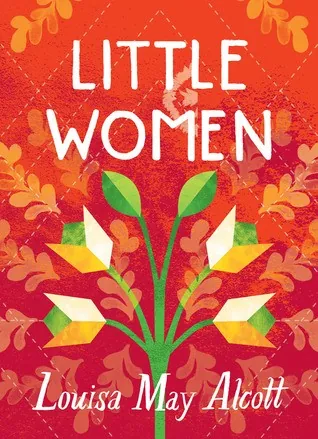
Little Women by Louisa May Alcott
Alcott’s novel is the essential family-friendly book on the sibling bond. The March sisters love each other and drive each other mad: Jo envies Amy, Amy destroys Jo’s manuscript, Meg mothers them all, Beth holds them together. And through the quarrels and the envy, the loyalty holds - the sisters carry one another through poverty, illness and loss. The book shows a child the whole truth about siblings: that they are the witnesses of a shared childhood and the carriers of a shared history.
Content notes: Completely family-friendly; a warm classic for read-aloud from around eight or nine.
Anne of Green Gables by L. M. Montgomery
Montgomery’s series gives siblings a different gift: the portrait of a bond that grows where it was not expected. Anne and Diana Barry are not sisters by blood, but their friendship has the shape of a sibling bond - the sworn loyalty, the shared secrets, the jealousy when a third friend appears. The book teaches that the sibling shape can be chosen as well as given.
Content notes: Completely family-friendly; the whole Anne series is suitable for family reading.
The Adventure Stories That Test the Bond
Older children are ready for stories that test the sibling bond - adventures where the loyalty of brothers and sisters is the key to everything.
The Lion, the Witch and the Wardrobe by C. S. Lewis
Lewis’s novel is a sibling story in the most literal sense: four siblings sent to the country during the war, finding a world that tests them. Edmund’s betrayal and his siblings’ loyalty to him despite it is the heart of the book: the siblings do not abandon the brother who failed them; they carry him, forgive him and stand with him. The book gives children the deepest family-friendly lesson about the sibling bond: that the loyalty holds even when the loyalty is tested hardest.
Content notes: Mild fantasy peril; appropriate for read-aloud from around seven or eight.
The Penderwicks by Jeanne Birdsall
Birdsall’s modern classic is a deliberate homage to Little Women - four sisters, a summer house, a series of small adventures and a family held together by love and loyalty. The book is warm, funny and wise, and it has become a family favorite precisely because it shows the sibling bond being practiced in the ordinary: the sisters cover for one another, quarrel, forgive and belong.
Content notes: Completely family-friendly; a gentle, joyful read-aloud for the whole family.
The Stories That Show Rivalry Honestly
Some of the most valuable family-friendly books are honest about sibling rivalry - the envy, the jealousy, the competition that every sibling feels.
Ramona Quimby, Age 8 by Beverly Cleary
Cleary’s novel is the perfect honest portrait of sibling life. Ramona is jealous of her older sister Beezus, embarrassed by her, devoted to her - and Beezus, for her part, is embarrassed by Ramona and protective of her. The book shows the rivalry and the loyalty together, in the ordinary register of family life, and it gives siblings a mirror for their own bond.
Content notes: Completely family-friendly; the humor is gentle and the difficulties are everyday ones.
The Trumpet of the Swan by E. B. White
White’s novel is a quieter sibling story: Louis, a trumpeter swan born without a voice, is helped by his father and admired by his brother - and the book is a gentle study of the bond that supports and celebrates. The book teaches that siblings can be each other’s witnesses and champions, and it does so in the warm register that made White’s other classics family favorites.
Content notes: Completely family-friendly; a gentle read-aloud from around six or seven.
The Sibling Rivalry Conversation
It is worth being honest that rivalry is the part of the sibling bond that families talk about least and need to talk about most - and the books on this shelf give families a way in. The Quimby sisters, the March sisters and the Pevensies all quarrel, envy and compete, and the quarrels are shown as part of the love, not the opposite of it. A family that reads these books has a safe way to raise the questions that are hard to raise directly: What do you envy in your sibling? What do you protect? What does the rivalry feel like from your side? The books give the children the distance - they can discuss Ramona’s jealousy of Beezus before they can discuss their own - and the distance is the safety.
The practice is to let the children lead. Ask what the sibling in the book felt, and let the child’s answer stand without correction. The child who has named the envy in the story has begun to understand the envy in themselves, and the understanding is the beginning of the loyalty.
The Stories of Growing Up Together
The deepest family-friendly sibling books show siblings growing up together - the shared history that is the foundation of the bond.
The Secret Garden by Frances Hodgson Burnett
Burnett’s novel is about children who become siblings in the deepest sense. Mary Lennox, a lonely orphan, and Colin, a sickly recluse, are brought together by the garden - and their friendship has the shape of a sibling bond: the shared secret, the mutual rescue, the growing together that heals them both. The book teaches that the bond can be built where it was absent, and that the building is a form of healing.
Content notes: Completely family-friendly; the themes of neglect and illness are handled gently and resolved warmly.
The Chronicles of Narnia by C. S. Lewis
The whole Narnia series is a family story: the Pevensie siblings return to Narnia in several of the books, and the bond between them is the constant - the loyalty, the leadership, the carrying of one another through danger. Reading the series together gives a family a shared world that is, at its heart, a story about what siblings are to each other.
Content notes: Mild fantasy peril throughout; appropriate for read-aloud from around seven or eight.
How to Read These Books as a Family
The books matter, but the reading matters more. Three practices turn a family-friendly shelf into a practice of the sibling bond.
First, read together. Twenty to thirty minutes a night, the same time, the same place - and let the siblings take turns choosing the book. The choosing is part of the bond: each child gets to bring the family into their world.
Second, let the children talk about the sibling in the book. Ask what the siblings in the story felt when they quarreled, and what they did to make up. The book gives children a safe distance to talk about their own rivalry - they can discuss Ramona and Beezus before they can discuss themselves.
Third, name the loyalty when you see it. When a character stands up for a sibling or forgives one, name it: that is what loyalty looks like. The naming gives the children the vocabulary of the bond.
The Shared World of Siblings
It is worth naming what the family-friendly shelf actually gives siblings, because the reading is a form of the bond itself. A brother and sister who have read Little Women together share something that belongs only to them: the same images, the same favorite scenes, the same arguments about which sister is best. The shared story becomes part of the shared history - the running joke, the family reference, the memory that only the two of them carry. The reading is not a preparation for the bond; it is a making of it, the way the Penderwick sisters’ summer memories are the making of theirs.
The practical consequence for parents is liberating: the education of the sibling bond is already happening in the stories. The children who read together, quarrel about the characters, and return to the same book are practicing the bond - the shared world, the shared history, the loyalty that the stories model. The parent’s job is mainly to choose the stories well and to make the reading a ritual. The stories do the teaching; the reading does the bonding.
Building Your Family Reading Path
There is no required order, but a useful sequence exists. Start with the read-aloud classics - Little Women, Anne of Green Gables - for the foundation. Add the adventure stories - The Lion, the Witch and the Wardrobe, The Penderwicks - for the middle years. Move to the honest portraits of rivalry - Ramona Quimby - and end with the stories of growing up together - The Secret Garden. Add the adventure stories - The Lion, the Witch and the Wardrobe, The Penderwicks - for the middle years. Move to the honest portraits of rivalry - Ramona Quimby - and end with the stories of growing up together - The Secret Garden.
For families who want to go deeper, our guide to sibling relationships: themes and reading notes explores the values behind the stories, and our guide to friendship and loyalty carries the conversation into the chosen bonds that have the sibling shape. For the growth this reading supports, our guide to personal growth is a useful companion.
A Note on Choosing Books for Your Siblings
It is worth being honest that the family-friendly label is a starting point, not a guarantee - and that the parent’s knowledge of the children matters more than any label. A book that is right for one sibling may be too much for another; a theme of betrayal that one child can meet with wonder may overwhelm another. The practice is to match the book to the children: check the content notes, read the book yourself first if you are unsure, and be ready to put a book down and pick it up again later. The books on this shelf are chosen for warmth and safety, but the parent is the final editor.
The deeper point is that the choosing is itself a practice of the bond. The parent who knows what each child can bear, who chooses the book that meets both where they are, is practicing the attention the whole shelf is about - and the attention is part of what the siblings learn from the reading together.
Conclusion
The best family-friendly sibling relationship books are the ones a family can read aloud on a Tuesday night and still be talking about on Friday - warm, safe and honest about the rivalry and the loyalty that make up the bond. From the March sisters to the Pevensies, the stories show siblings loving, envying, quarreling, forgiving and carrying each other.
Start with one classic and one night a week. Read together, let the children talk about the siblings in the book, and name the loyalty when you see it. The reading is the shared history; the shared history is the bond; and the siblings who read together are the point.
Frequently Asked Questions
What is the best family-friendly book about siblings?
What age are family-friendly sibling books suitable for?
How do I help siblings who are always fighting?
Can teenagers enjoy family-friendly sibling stories?
What should parents check before choosing a sibling book?
How does reading together help siblings?
Featured Recommendations

Raining Book Editorial Team
The Raining Book editorial team curates the best book recommendations and reading guides for every type of reader.