Sibling Relationships: Themes, Values and Reading Notes
Every sibling book is carrying something - a theme it explores, a value it endorses, a lesson it wants the reader to absorb. This guide takes the shelf apart to show what it is carrying: the themes that run through the strongest books about the longest bond, the values they teach, and the reading notes that help a family actually use them. It is a map of the sibling shelf, and a guide to the conversation underneath.
Theme and Value: The Two Layers
As with the other shelves, it helps to be precise about the difference. A theme is the subject the book explores: rivalry, loyalty, shared history, repair. A value is the behavior the book endorses: loyalty, forgiveness, protection, honesty. Little Women explores the theme of the full range of the bond and endorses the value of loyalty. East of Eden explores the theme of rivalry and endorses the value of choice. The theme is the question; the value is the answer the book keeps returning to.
A useful reading note for any sibling book is to name both: what is this book about, and what does it want us to do?
The Theme of Rivalry
The deepest theme in sibling literature is rivalry - the competition for attention that every sibling feels, and the envy that it can become.
East of Eden by John Steinbeck
Steinbeck’s novel is the essential book on sibling rivalry. The story of the Trask brothers, and of the brothers of the next generation, is a retelling of the Cain and Abel story - and its subject is the envy that poisons and the choice that redeems. The theme is that rivalry is inherited; the value is that the response to it is chosen.
Reading note: Ask what the envy cost the brothers, and what the book suggests about choosing differently.
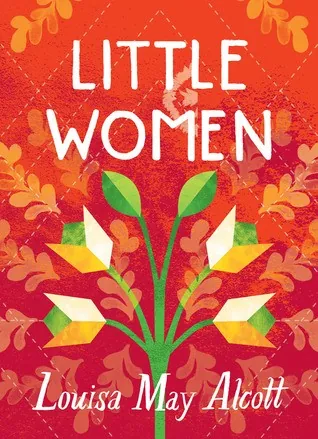
Little Women by Louisa May Alcott
Alcott’s novel shows rivalry in its ordinary register: Jo envies Amy, Amy destroys Jo’s manuscript, and the envy coexists with the love. The theme is that rivalry is a feature of the bond, not a failure of it; the value is that the loyalty holds through the quarrels.
Reading note: Ask which quarrel the reader recognizes from their own siblings, and what the March sisters did to make up.
The Theme of Loyalty
The second great theme is loyalty - the protection, the standing up, the carrying that the rivalry exists within.
The Lion, the Witch and the Wardrobe by C. S. Lewis
Lewis’s novel is the essential book on sibling loyalty. Edmund betrays his siblings, and they do not abandon him: they carry him, forgive him and stand with him. The theme is that the loyalty holds when it is tested hardest; the value is the refusal to abandon the sibling who failed.
Reading note: Ask what the Pevensies did when Edmund failed them, and what the book suggests about what loyalty requires.
The Kite Runner by Khaled Hosseini
Hosseini’s novel tests loyalty to its limit. Amir and Hassan are brothers in the deepest sense, and Amir’s betrayal - and his long return - is a study in what siblings owe each other when the bond has been broken. The theme is that loyalty can be broken and repaired; the value is the courage of the return.
Reading note: For older readers, ask what Amir owed Hassan, and what the book suggests about the debt between siblings.
The Theme of Shared History
The third great theme is shared history: the childhood that siblings witness together, which is the foundation of the bond.
The Brothers Karamazov by Fyodor Dostoevsky
Dostoevsky’s novel is the philosophical summit of the theme of shared history. The three Karamazov brothers share a monstrous father and a poisoned household, and the novel asks what the shared history does to them - and what they owe each other because of it. The theme is that the shared history is both the wound and the bond; the value is the love that can be built from it.
Content notes: A long and demanding novel with dark themes, for mature readers.
Reading note: Ask what the brothers shared, and what the reader’s own shared history has given and cost them.
The Penderwicks by Jeanne Birdsall
Birdsall’s novel is the warm portrait of shared history in the making: four sisters accumulating the ordinary memories - the summer house, the small adventures, the running jokes - that become the bond. The theme is that shared history is built in the ordinary; the value is attention, the willingness to make and keep the memories.
Reading note: Ask what memories the family is making now, and which ones the children will carry.
The Theme of Repair
The fourth great theme is repair: what it takes to mend a sibling bond that has been broken or grown distant.
The Book of Forgiving by Desmond Tutu and Mpho Tutu
Tutu’s book is the practical manual for the repair of any bond, and it applies directly to the sibling bond, where the wounds are old and the stories are long. The fourfold path - telling the story, naming the hurt, granting forgiveness, renewing or releasing the relationship - is the map of the repair, and the book is honest that some bonds are renewed and some are released.
Reading note: For adults, ask which of the four steps is the hardest for the reader, and what the book suggests about beginning it.
Anne of Green Gables by L. M. Montgomery
Montgomery’s novel shows repair in the gentlest register: Anne and Diana’s friendship, with the sibling shape, is tested by jealousy and repaired by loyalty. The theme is that the bond can be mended; the value is the willingness to make up.
Reading note: Ask how Anne and Diana repaired their bond, and what the book suggests about making up after a quarrel.
The Theme of the Bond Across Time
There is one more theme worth naming, because it runs through the whole shelf and connects it to the others: the bond across time. The sibling bond is the longest relationship most people will have, and the strongest books show it changing across the decades - the rivalry of childhood becoming the distance of young adulthood, the distance becoming the closeness of middle age, when siblings become each other’s oldest witnesses. East of Eden spans generations of brothers; The Brothers Karamazov shows the bond in a single poisoned household; the memoirs and research show the arc across a lifetime. The theme is that the bond is not fixed by childhood; the value is the patience and the repair that the long arc requires.
Reading note: Ask the family what the books suggest about their own arc - what the bond has been, what it is now, and what they want it to become.
The Theme of the Chosen Bond
The fifth great theme is the chosen bond: the friendships that have the shape of siblinghood, chosen rather than given.
Anne of Green Gables and the Bosom Friends
The portrait of Anne and Diana - sworn bosom friends, loyal through jealousy and separation - is the essential treatment of the chosen sibling bond. The theme is that the sibling shape can be chosen as well as given; the value is the loyalty that makes the choice real.
Reading note: Ask who the reader’s chosen siblings are, and what makes a friendship have the shape of siblinghood.
The Little Prince by Antoine de Saint-Exupéry
Saint-Exupéry’s fable carries the chosen bond outward in a single sentence: you become responsible forever for what you have tamed. The theme is that the chosen bond creates responsibility; the value is the responsibility, practiced as the love.
Reading note: Ask what the reader has tamed, and what the responsibility looks like in daily life.
The Value Map
Reading the sibling shelf as a whole, the values cluster into a short list:
- Loyalty - the refusal to abandon, practiced in The Lion, the Witch and the Wardrobe and The Penderwicks.
- Choice - the response to rivalry, practiced in East of Eden and Anne of Green Gables.
- Forgiveness - the repair of the broken bond, practiced in The Kite Runner and The Book of Forgiving.
- Protection - the standing up, practiced in Little Women and The Secret Garden.
- Honesty - the truth about the bond, practiced in The Brothers Karamazov and East of Eden.
Every book on the shelf carries at least one of these, and most carry several. A useful family practice is to name the value a book is carrying before the discussion begins.
How to Use Reading Notes
Reading notes are not tests; they are conversation starters. Three practices make them work.
First, one question per chapter, aimed at the characters’ choices - what should they have done, when were they tested, what did they learn. The question is the lesson.
Second, let the siblings in the room speak first. The children’s answers about the siblings in the book are often the most honest - the book gives them a safe distance to talk about their own rivalry.
Third, connect the book to the family. Ask what the siblings in the book did that your siblings do, and what the reader would want the siblings in the book to know. The connection is the teaching.
The Sibling Bond and the Family Bond
It is worth naming how the sibling shelf connects to the rest of the family shelf, because the bond does not exist in isolation. The sibling bond is shaped by the parents - the favoritism, the comparisons, the household’s patterns - and it shapes the family’s culture in turn: the siblings carry the shared childhood into every family they later form. The sibling books and the family books are two halves of one conversation: the rivalry between the March sisters is inseparable from the household Marmee built, and the loyalty of the Pevensies is inseparable from the family that sent them to the country. Reading the two shelves together gives the reader the whole picture - the bond as it is formed by the parents and as it forms the family that follows.
Reading note: Ask the family what their household’s patterns have given the sibling bond, and what the sibling bond has given the household.
The Shelf as a Whole
The sibling shelf is a ladder. The warm classics - Little Women, The Penderwicks - show the bond being practiced and give the family a shared image of loyalty. The sharper books - East of Eden, The Brothers Karamazov - show the rivalry and the cost and give the family a language for difficulty. And the repair books - The Book of Forgiving - give the family the way back.
For readers who want the friendship conversation alongside the sibling one, our guide to friendship and loyalty is the natural companion, and our deeper exploration of friendship and loyalty maps the themes of that shelf. For readers who want to keep the reading clean, our guide to clean books for teens gathers more titles.
The Themes in the Wider Family
It is worth noting that the themes of the sibling shelf echo through the rest of the family shelf, because the bond does not exist in isolation. The theme of rivalry returns in the parent-child books - the favoritism that produces sibling envy is a parent-child pattern. The theme of loyalty returns in the friendship books - the standing up that siblings practice is the standing up that friends practice. The theme of repair returns in the forgiveness books - the mending of the sibling bond is the hardest instance of the mending every bond requires. The shelves are not separate; they are the same conversation, and the reader who reads across them has the whole picture.
Reading note: Ask the family what their sibling bond shares with their other bonds, and what the books suggest about the common work.
Conclusion
The best sibling relationship books work on two levels at once: they explore a theme - rivalry, loyalty, shared history, repair, the chosen bond - and they endorse a value - loyalty, choice, forgiveness, protection, honesty. Reading the shelf as a whole reveals the map underneath: a ladder from the warm classics that show the bond being practiced, to the sharper books that show it being tested, to the repair books that give the way back.
Name the theme, name the value, ask one good question, and let the siblings in the room speak first. The books are the occasion; the conversation is the teaching; and the bond the family understands better because of the reading is the point.
Frequently Asked Questions
What are the main themes in sibling relationship books?
What is the difference between a theme and a value in a sibling book?
Why do the best sibling books show rivalry and loyalty together?
Which book is best for discussing sibling rivalry?
How should families use reading notes?
Do sibling books need to be realistic to be useful?
Featured Recommendations

Raining Book Editorial Team
The Raining Book editorial team curates the best book recommendations and reading guides for every type of reader.