Books Like A Man Called Ove
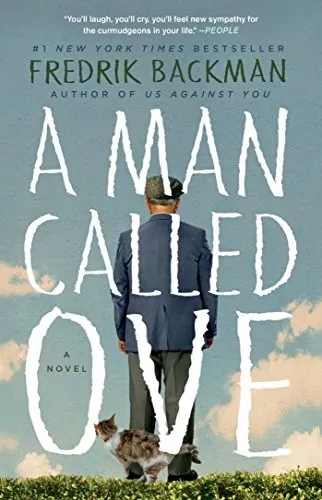
There is a specific feeling that comes from finishing A Man Called Ove: the feeling of having watched a locked door open. Fredrik Backman’s novel - the grumpy, grieving widower Ove, his rigid rules, his new neighbors, the community that refuses to leave him alone - has been loved by readers around the world because it tells the story of a man saved by community. The problem after finishing it is the one every great book creates: you want more of the feeling - the warmth, the second chances, the grump with a heart of gold. This guide collects the books that genuinely belong on that shelf.
What Made A Man Called Ove Special
Before the recommendations, it is worth naming what you are actually looking for, because the right next book depends on which part of the book stayed with you.
If the grump stayed with you - Ove’s rules, his rituals, his refusal to be softened - then the prickly-protagonist novels will fit. If the community stayed with you - the neighbors, the found family, the transformation - then the community-and-belonging stories will be your natural next step. And if the grief stayed with you - Ove’s love for his wife, the loss beneath the grump - then the novels of love and loss will carry it forward. Most readers are looking for all three, and the books below cover the range.
The Prickly Protagonists
Eleanor Oliphant Is Completely Fine by Gail Honeyman
If there is one book that the Ove reader should pick up next, it is Eleanor Oliphant Is Completely Fine. Eleanor is a loner with rigid routines, a painful past and a complete inability to fit in - and the novel is the story of her slow, awkward, moving emergence into connection.
The two books are siblings: the isolated protagonist, the carefully constructed walls, the community that slowly breaks them down. Where Ove’s walls are built of rules, Eleanor’s are built of trauma - and both characters are transformed by the kindness they did not expect. For readers who loved Ove, Eleanor is the younger, more wounded version of the same story.
Content notes: Deals with trauma and loneliness; for adult readers.
A Man Called Ove’s Backman Companions
For readers who want more of Backman’s particular warmth, his other novels deliver the same voice: My Grandmother Asked Me to Tell You She’s Sorry and Britt-Marie Was Here are set in the same world of quirky characters and found family, and Anxious People gathers a group of strangers in a hostage situation that becomes a study in human connection. Each carries the signature Backman blend of comedy, grief and tenderness.
Content notes: Warm novels dealing with grief and connection; for readers from the mid-teens up.
The Community and Found-Family Stories
The House in the Cerulean Sea by T. J. Klune
For readers who want the grump-transformed-by-community story in its warmest form, The House in the Cerulean Sea is the essential book. Linus Baker, a by-the-book caseworker, is sent to inspect an orphanage for magical children - and the visit transforms his life, as the children and their guardian draw him into a family he never expected.
The book shares A Man Called Ove’s exact shape: the rigid, isolated man, the community that refuses to leave him alone, the transformation that comes from being cared for. For readers who loved Ove’s slow thaw, Linus is the gentler, funnier version of the same journey.
Content notes: A warm contemporary novel, suitable for readers from the mid-teens up.
A Man Called Ove and the Neighborhood
One of the quiet achievements of A Man Called Ove is that the neighborhood itself becomes a character - the assortment of neighbors, each with their own troubles, who slowly become Ove’s found family. The novels of community on this shelf share that achievement: the group of unlikely people who become everything to each other. For readers who loved the neighborhood, the community shelf is the natural continuation, and the best of these books make the group as memorable as any single character.
The Novels of Love and Loss
The Museum of Extraordinary Things by Alice Hoffman
For readers who want the love-beneath-the-grump theme, The Museum of Extraordinary Things is a rich choice. Set in early twentieth-century New York, the novel follows two outsiders - a young woman who works in her father’s museum of curiosities and a photographer searching for a missing girl - whose stories intertwine across the city. The novel shares Ove’s concern with the people society overlooks and the love that grows between them.
Content notes: A literary novel with some adult themes; for adult readers.
The Unlikely Pilgrimage of Harold Fry by Rachel Joyce
For readers who want the quiet, life-changing journey of a rigid man, The Unlikely Pilgrimage of Harold Fry is the essential book. Harold, a retired man who has lived his life avoiding feeling, receives a letter from an old friend who is dying - and decides to walk the length of England to see her. The walk becomes a pilgrimage through his own past and a slow reconnection with the people he left behind.
The book shares A Man Called Ove’s shape: the man who has closed himself off, the journey that reopens him, the community he finds along the way. For readers who loved Ove’s slow thaw, Harold’s walk is the gentler, longer version of the same transformation.
Content notes: A warm novel dealing with grief and regret; for readers from the mid-teens up.
How to Choose Your Next Read
The right next book depends on what you are ready for. If you want the prickly protagonist: Eleanor Oliphant Is Completely Fine. If you want the found family: The House in the Cerulean Sea. If you want more Backman: Anxious People or Britt-Marie Was Here. If you want the quiet journey: The Unlikely Pilgrimage of Harold Fry.
There is no wrong order, but there is a sensible one: start with The House in the Cerulean Sea for the same warmth, then Eleanor Oliphant for the deeper version of the isolated protagonist, then more Backman, and let the others fill in as you go.
Reading the Shelf for the Community
There is one more thing worth naming about the Ove shelf, because it explains why these books have found so many devoted readers: they are books about community that build a community of readers. The books on this list are the kind people press into each other’s hands - the Ove reader lends the novel to a friend and waits, not quite patiently, for the verdict; the club reads it together and discovers it has given them a shared language for talking about loneliness, grief and the neighbors who matter.
This is the quiet social life of the shelf. A Man Called Ove and its companions are not books to be read alone and shelved; they are books to be passed on, discussed and returned to, because their subject is the very thing they create - the connections between people. For the reader who loved the neighborhood of the novel, the community of readers is the natural continuation, and the sharing is part of the reading. The shelf is not finished when the book is finished; it is finished when it has been given away and the conversation has begun.
It is also worth saying who the shelf is for, because it is wider than it first appears. The obvious reader is the one who loved Ove - but the deeper reader is the one who needs the book’s lesson: the person who has closed themselves off, who is grieving, who believes they are better off alone. A Man Called Ove and its companions are books to give to that person, gently, without a lecture - because they argue, better than any advice, that no one is saved alone. The gift of the shelf is the gift of the argument, and the argument is for everyone who has ever needed a neighbor to refuse to leave them alone.
The Values the Shelf Carries
A Man Called Ove is, at its core, a book about values in action - the community that saves, the loyalty of neighbors, the healthy relationships that grow when people refuse to give up on each other. It belongs on the relationships shelf alongside the guides that explore those values directly. Our thoughtful guide to parents and children walks through the value of showing up - the care that Ove’s neighbors practice, the attention that saves a life - and it pairs naturally with this reading, because the novel is a demonstration of exactly what the guide describes.
The shelf also connects to the family themes, in a specific way: the book’s deepest subject is the family that is found rather than born - the neighbors who become Ove’s people. Our guide to sibling relationships explores the bonds that the novel shows being built across its pages, and it belongs with this reading because the neighborhood is a study in the loyalty that makes a family of strangers. Together these guides frame the fiction, and the fiction makes the guides feelable.
Conclusion
A Man Called Ove has been loved around the world because it tells the story of a man saved by community - the grump, the neighbors, the second chances, the love beneath the rules. The books on this list are the honest responses to the question it leaves behind: what next?
The prickly warmth of Eleanor Oliphant, the found family of The House in the Cerulean Sea, more of Backman’s world, and the quiet journeys of Harold Fry - together they carry the same truth in different voices: no one is saved alone, and the community is the point. Read the notes, choose where you are, and let the books take their time.
Frequently Asked Questions
What should I read after A Man Called Ove?
Is Eleanor Oliphant Is Completely Fine like A Man Called Ove?
What is the main theme of A Man Called Ove?
Are there other books by Fredrik Backman like A Man Called Ove?
Which book is the closest in spirit to A Man Called Ove?
Are these books suitable for all readers?
Featured Recommendations

Raining Book Editorial Team
The Raining Book editorial team curates the best book recommendations and reading guides for every type of reader.