A Thoughtful Guide to Purpose and Meaning
Introduction: The Question Under Everything
Purpose and meaning are the question under everything else in this reading project. Justice matters because life matters; leadership matters because lives matter; education matters because it opens lives. But the question of what a life is for is the one beneath all of them, and it is the one every reader must eventually face. This guide is a thoughtful introduction to the ideas: what purpose is, what meaning is, how the books of the tradition have answered the question, and the questions worth discussing.
Purpose: What You Are For
Purpose is the directed sense of what you are for: the task, the calling, the thing that organizes a life. The literature of purpose is full of people who find theirs - a shepherd boy following a dream, a psychiatrist who finds his work in the camps, a professor who discovers in dying what his life was for.
The deepest treatments of purpose refuse the easy answer. Purpose is not the job, or the achievement, or the status; it is the orientation - the sense that the energy of a life is going somewhere that matters. The Alchemist by Paulo Coelho is the essential story: Santiago’s “personal legend,” the purpose that calls him across a desert, and the discovery that the pursuit is the purpose - that the treasure was the journey. The reading note worth taking: in every book, identify the character’s purpose - what organizes their energy - and note whether it is found or chosen, and what it costs.
Meaning: The Sense That It Matters
Meaning is the larger idea: the sense that a life makes sense and matters - that it is connected to something beyond itself. The literature of meaning is the literature of this sense: its loss (the sense that everything is pointless), its recovery, and its nature.
The essential statement is Viktor Frankl’s Man’s Search for Meaning: the claim, drawn from his survival of the camps, that the primary human drive is not pleasure or power but meaning - and that “he who has a why to live for can bear almost any how.” Frankl’s logotherapy is built on the claim that meaning can be found in three ways: through creating a work, through experiencing something or encountering someone, and through the attitude we take toward unavoidable suffering.
The reading note worth taking: Frankl’s three ways are the map of the literature. The Alchemist is the way of the work; the Little Prince is the way of the encounter; Man’s Search for Meaning itself is the way of the attitude. Note which way each book argues for, and which way speaks to you.
The Key Concept: Meaning Is Made, Not Found
The deepest insight of the literature is that meaning is made, not found. It is not waiting in the world to be discovered; it is created by the choices, the relationships and the care a person puts into a life.
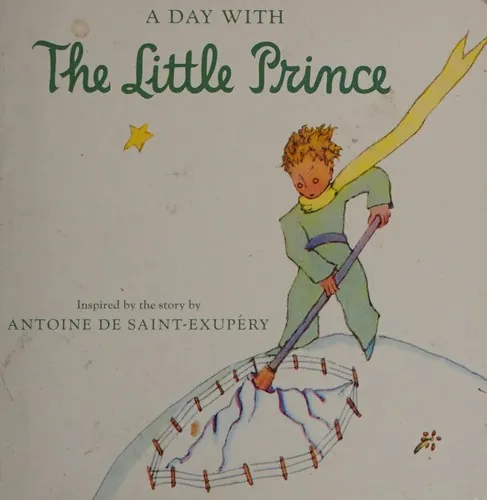
The Little Prince is the essential staging: the rose is not valuable because it is rare - there are thousands of roses - but because the prince has tended it, and the fox’s lesson is the key: “It is the time you have wasted for your rose that makes your rose so important.” The Midnight Library by Matt Haig is the modern staging: a woman who tries on all the lives she might have lived and discovers that the meaning was never in the other lives but in this one, with its griefs and its gifts.
The reading note worth taking: in every book, identify the act of making - the tending, the choosing, the caring - and note what it creates. The pattern is the argument: meaning is not a discovery but a craft, and the craft is the work of a life.
The Key Concept: The Loss of Meaning
The literature of purpose and meaning also includes its darkest theme: the loss of meaning - the sense that nothing matters, the emptiness that Frankl called the “existential vacuum” and that the modern books call by other names.
Man’s Search for Meaning is the essential staging: Frankl observed that the prisoners who lost all sense of meaning died - often quickly, even when their bodies were no worse off - and that the ones who could hold a purpose survived. The Midnight Library stages the loss for modern readers: Nora’s depression, her sense that her life is a series of failures, and her journey through the lives she might have lived. The Death of Ivan Ilyich by Tolstoy is the quiet staging: a man who discovers, dying, that his respectable life has been a lie - that he lived without meaning and only now sees it.
The reading note worth taking: in each book, identify the moment of loss - the emptiness, the discovery - and note what the character does with it. The pattern is the argument: the loss of meaning is not the end but the beginning of the question.
The Essential Books
The essential books of purpose and meaning fall into four registers. The statement: Man’s Search for Meaning by Viktor Frankl (1946) and The Myth of Sisyphus by Albert Camus (1942). The story: The Alchemist by Paulo Coelho (1988) and The Little Prince by Antoine de Saint-Exupéry (1943). The conversation: Tuesdays with Morrie by Mitch Albom (1997), The Last Lecture by Randy Pausch (2008), The Boy, the Mole, the Fox and the Horse by Charlie Mackesy (2019). The philosophy and practice: Meditations by Marcus Aurelius and the Nicomachean Ethics of Aristotle. Each register teaches something the others cannot, and reading all of them is the education.
Content Notes: Choosing the Right Book
The books of purpose and meaning span every age range. For younger readers and families: The Little Prince and The Boy, the Mole, the Fox and the Horse (any age), The Alchemist (from around age twelve). For general readers: Tuesdays with Morrie, The Last Lecture, The Midnight Library, Meditations, The Myth of Sisyphus. For mature readers: Man’s Search for Meaning (devastating in parts) and the Nicomachean Ethics (demanding). The notes are about emotional weight as much as content: several deal with death and dying, and the Midnight Library deals with depression and suicidal thoughts. Our meaningful purpose and meaning for adults guide extends the list for adult readers, our positive messages guide connects purpose to hope, and our civilizations and culture for families reading shows the meaning people have made across cultures.
The Key Concept: The Purpose That Calls
The literature of purpose also includes the idea that purpose calls - that it is not only chosen but felt, a pull toward something. The books disagree about where the call comes from, and the disagreement is part of the discussion.
The Alchemist is the essential staging of the call: Santiago’s recurring dream is the call, and the novel’s term - the personal legend - names the idea that each person has a purpose that calls them and that the universe conspires to help them fulfill it. The Boy Who Harnessed the Wind is the real-world staging: William’s call came from the famine and his family’s need - the windmill was not a dream that came to him but an answer he built to a need he could not ignore. I Am Malala is the staging of the call refused and then answered: Malala’s call - girls’ education - was one she had to choose again and again, at increasing cost.
The reading note worth taking: in each book, identify the source of the call - the dream, the need, the injustice, the gift - and note what the character had to do to answer it. The pattern is the argument: purpose is not found by looking inward only; it is discovered at the meeting of what you are and what the world needs, and the answering is the work.
How to Read These Books
The books in this guide reward a particular kind of reading, and the approach matters as much as the selection. Read slowly enough to notice the acts of making: the tending of the rose, the building of the windmill, the choosing of kind. Purpose in these books is never announced; it is performed, and the reader who watches the performance learns more than the reader who waits for the statement.
Read with a question in hand. For each character, name the thing they are for, and note when they discovered it - and what it cost them. Note the difference between the purposes that were chosen and the ones that were assumed, and watch for the moment the assumed purpose fails.
Read the books in dialogue with each other. The Alchemist’s pursuit and the Little Prince’s tending are the same discovery in different registers; the Giver’s burden and Wonder’s kindness are the same value at different costs. Pairing the books is how the literature of purpose becomes more than the sum of its pages.
And read them again later. These are books that age with the reader: the purpose that satisfied at twenty is examined at forty. The literature of purpose rewards the return, because the question it asks changes as you do.
Discussion Questions Worth Asking
The best discussions of purpose and meaning start from the reader’s own experience. What is the difference between a life with purpose and a life without it - and which have you lived? What is your “why,” the thing that would make endurance possible? Which of Frankl’s three ways - work, encounter, attitude - matters most to you, and why? When have you felt that nothing mattered, and what brought you back? And the hardest question: what would you do if you knew you had only months to live - and what does that answer tell you about what you are for?
Conclusion: The Question That Makes the Others Matter
Purpose and meaning are the question under everything else, and the books of the tradition hold it open rather than closing it: they make the reader feel why it matters, and they offer the tools to answer it for oneself. From Frankl’s claim that meaning is the deepest drive, to the little prince’s tended rose, to Santiago’s journey, to Morrie’s Tuesday lessons, to Marcus Aurelius’s private practice - the books form a complete education in the deepest question there is. The answer they keep returning to is the same: meaning is made, not found - by the work, the encounter and the attitude - and the making is the work of a life. For more reading paths, explore the Ideas section of our site.