Cultural Heritage: Themes, Values and Reading Notes
Introduction: What the Category Is For
The cultural heritage category looks like a collection of books about old things, but it is really a set of arguments about the largest question of identity: what do we keep, and why? Every book in the category is an answer to that question, and the answers fall into a small number of recurring themes. This page gathers what the best books agree on, the values the category teaches, and the honest notes a reader should have before opening any of them.
The Three Great Themes
Read enough heritage books and the same three themes keep returning, each one a lens on the whole subject.
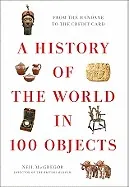
Heritage is carried in the everyday. The books agree that the inheritance lives in the ordinary - the recipe, the festival, the craft, the song - not only in the monument. A History of the World in 100 Objects and Salt both make the same argument from different ends: the daily substance and the daily object are where the culture is actually kept. The theme’s power is recognition: the reader’s own kitchen and calendar are heritage, whether they knew it or not.
Heritage is an act, not a thing. The books agree that heritage is something people do - carrying, choosing, passing on - not a museum of finished objects. The category’s heroes are the carriers: the monk copying the text, the grandmother teaching the recipe, the apprentice learning the craft. The theme’s power is responsibility: if heritage is an act, then the reader is already acting, carrying or dropping the inheritance whether they notice or not.
Heritage is contested. The books agree that the inheritance is argued over: what one generation treasures, another questions, and the honest books hold both sides. The Invention of Tradition shows that much of what we call ancient was recently made; the celebratory books show why the making does not diminish the meaning. The theme’s power is maturity: the reader who can hold the celebration and the critique together has the full category.
The Values the Category Teaches
The books are arguments, but they are also moral education, and the values they teach are consistent across the field.
Gratitude for the inheritance. The deepest lesson of the category is that everything the reader takes for granted - the recipe, the festival, the language, the craft - was carried by someone before them, at a cost. The theme converts abstract tradition into a concrete inheritance, and the inheritance into gratitude.
Responsibility for carrying it. The books teach that heritage is not automatic: it is carried by acts, and the acts are choices. The reader who knows what the inheritance cost is responsible for what they do with it - keep it, change it or consciously let it go. That responsibility is the category’s moral center.
The humility to question it. The books teach that not every tradition deserves preservation: some carry wisdom, some carry harm, and the honest books ask which is which. The category’s value is not blind preservation but the maturity to hold the question - what should we keep, and what should we let go - without assuming the answer in advance.
The Honest Reading Notes
Before choosing a book, the reader deserves the honest note, and the category has one that applies across the board.
The subject includes loss. Heritage includes what was destroyed - the objects scattered, the languages silenced, the civilizations erased - and the best books do not hide it. The Hare with Amber Eyes carries the weight of the Holocaust; Say Nothing carries the weight of the Troubles. None are gratuitous - the loss is the subject - but the reader should expect to be moved, and should choose the weight knowingly.
The registers differ. The narrative histories - A History of the World in 100 Objects, How the Irish Saved Civilization, Salt - are accessible to any reader from around fifteen upward. The scholarly works - The Invention of Tradition - are denser and best for committed readers. The heavy memoirs - The Hare with Amber Eyes, Say Nothing - are adult books with adult weight. The notes in every listing say which is which.
The celebration and the critique are both real. The reader should know going in that the category argues with itself: the celebrators show why the heritage matters, and the critics show why the celebration is never simple. The frustration of the disagreement is the actual education - the reader who holds both has the full inheritance.
The Shelf Around the Shelf
The category does not stand alone; it connects to the rest of the reading collection in natural ways.
To world literature. Heritage is the traditions behind the stories: the customs the novels come from. Our historical accuracy reading list and the world literature shelf extend the category from the customs to the stories and to the question of how we know the past - the evidence behind the inheritance.
To the values of the site. The category’s deepest value - the responsibility to carry and the humility to question - connects to the ideas section, where the books about purpose and meaning explore what we choose to live for. Heritage and purpose are the same question at different scales: what we keep, and why.
The Disagreements That Matter
The three themes do not sit peacefully together; they argue, and the argument is where the field’s energy lives.
The celebrators versus the critics. The field’s loudest argument is about the value of heritage itself: the celebrators show why the traditions matter - the wisdom carried, the identity held - while the critics, strongest in The Invention of Tradition, show how much of the tradition was made yesterday for political purposes. The honest reader holds both: the discovery that a tradition is invented does not make it worthless; it makes it a choice, and choices are what the reader is responsible for.
The keepers versus the questioners. A second argument runs through the field: whether preservation is always right. The keepers argue that the inheritance must be carried; the questioners argue that some traditions carry harm as well as wisdom, and that the honest question - what should we keep, and what should we let go - must be asked rather than assumed. The argument is unresolved, and it should be: it is the category’s real question.
What the disagreement teaches. The honest reading of the whole field is that heritage is contested - what one generation treasures, another questions - and that the reader who can hold the celebration and the critique together has the full category. The books are not competing products to choose between; they are instruments to combine.
What the Notes Look Like in Practice
The honest notes are easier to use with an example, so here is the category’s note in practice - the standard every listing meets.
The age note. Every listing says who the book is for: the narrative histories for readers from fifteen upward, the scholarly works for committed readers, the heavy memoirs for adult readers, the family list for children. The note is a fit, not a judgment.
The content note. Every listing says what the book contains: the loss, the violence, the contested memory - named honestly, never gratuitously. The reader chooses the weight knowingly.
The register note. Every listing says how hard the book is: the accessible narrative, the serious argument, the scholarly density. The note sets the expectation, and the expectation is most of the reading experience.
The connection note. Every listing says where the book leads next - the world literature shelf, the historical accuracy shelf, the values of the site. The notes are the map of the whole library.
The Common Mistakes New Readers Make
The category has a few well-worn mistakes, and naming them saves the reader a season of frustration.
Treating heritage as a museum. The reader who expects only old, finished objects misses the category’s real subject: the living traditions - the recipes, the festivals, the crafts - still being practiced today. Heritage is not a display; it is an act, and the act is happening in the reader’s own kitchen.
Reading only the celebration or only the critique. The reader who reads only the celebrators believes heritage is always good; the reader who reads only the critics believes it is always invented. The category is the conversation between the two, and the single-sided view is always a partial view.
Assuming preservation is always right. The reader who assumes every tradition deserves keeping has skipped the category’s sharpest question: some traditions carry harm as well as wisdom, and the honest books ask which is which. The value is not blind preservation but the maturity to hold the question.
Skipping the notes. The subject includes loss - the Holocaust, the Troubles, the vanished civilizations - and the reader who skips the honest notes can be genuinely surprised. Read the notes first, and the book will not surprise you wrongly.
The Reading Plan for the Notes
For the reader who wants the whole argument, read A History of the World in 100 Objects for the everyday, The Invention of Tradition for the critique, and The Hare with Amber Eyes for the feeling.
For the reader who wants the story, read How the Irish Saved Civilization, then the narrative histories of the traditions that call to you.
For the reader who wants their own inheritance, start with the book about the culture they grew up in, and keep a pencil in it.
For the reader who wants the deeper questions, our historical accuracy notes is the natural next page.
Conclusion: The Three Themes
The cultural heritage category gives the reader three lenses - the everyday, the act and the contest - and the discipline to hold all three at once. It teaches gratitude for the inheritance, responsibility for carrying it, and the humility to question it. Those are not small lessons, and they are why the category matters beyond its facts: heritage is not the past - it is the present choice of what to keep, and the reader is already making it. Choose the book that calls to you, read the notes first, and meet your inheritance - and start at the Worlds section of our site for the full collection of reading paths.