Books Like The Chai Factor

Introduction: What Readers Mean by “Books Like The Chai Factor”
When readers ask for books like The Chai Factor, they are rarely asking for just any romance. They are asking for something more specific: a contemporary romance with humor, a family and culture that shape the story, and a heroine with a career and an ambition of her own. The Chai Factor (2019) has all three: Amira, an engineer who has sworn off love to focus on her career; the unexpected connection she finds with a stranger on a bus; and her loud, loving, opinionated family - and the chai - that shape everything. The books that come closest are the ones that find their own way to the same combination.
This guide gathers the strongest readalikes, old and new, with honest content notes and a clear sense of what each book shares with Heron’s novel and where it departs from it.
The Contemporary Romances
The books that come closest to The Chai Factor’s heart are the ones about the contemporary romance with humor and heart.
The Wedding Date by Jasmine Guillory (2018) is the essential companion: Alexa, a lawyer, agrees to be the fake date of a man she meets in a stuck elevator - in the novel of the arrangement that becomes something real. It shares The Chai Factor’s contemporary romance, its humor and its woman with a career. Content note: a contemporary romance; for readers from around age sixteen upward.
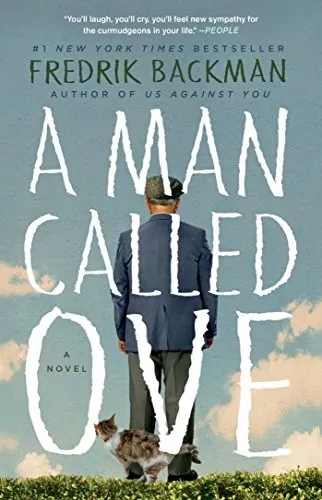
A Man Called Ove by Fredrik Backman (2012) is the essential companion about the grump and the warmth: Ove, a bitter old man whose plans keep being interrupted by his neighbors - in the novel of the community that refuses to let him go. It shares The Chai Factor’s humor and its warmth, with the romance replaced by the community. Content note: a gentle novel dealing with grief; for readers from around age fifteen upward.
The Kiss Quotient by Helen Hoang (2018) is the essential companion about the arrangement: Stella, an econometrician who hires an escort to teach her intimacy, in the novel of the arrangement that becomes love. It shares The Chai Factor’s woman with a career and its contemporary romance, with the register sharpened. Content note: a contemporary romance with explicit content; for mature readers.
The Families and the Culture
A second branch of the family is the novel about the family and the culture that shape the love story.
The Henna Artist by Alka Joshi (2020) is the essential companion in different register: Lakshmi, a henna artist in 1950s Jaipur who has built a life for herself, in the novel of the secrets that threaten it. It shares The Chai Factor’s culture and its woman at the center, with the romance replaced by the building of a life. Content note: a novel dealing with family and secrets; for readers from around age fifteen upward.
Pride and Prejudice by Jane Austen (1813) is the essential companion about the wit and the match: Elizabeth Bennet and Mr. Darcy, in the novel of the prejudice and the pride that must be overcome. It shares The Chai Factor’s humor, its family and its conviction that the right match is a matter of character, with the setting moved two centuries back. Content note: a classic novel; for readers from around age fourteen upward.
The Forty Rules of Love by Elif Shafak (2009) is the essential companion about the culture and the love: Ella, a middle-aged American woman, and Aziz, a writer, connected by a manuscript about Rumi and his teacher Shams - in the novel of the two love stories that mirror each other across centuries. It shares The Chai Factor’s cultural depth, with the humor replaced by the mysticism. Content note: a literary novel dealing with faith and love; for readers from around age sixteen upward.
The Heroines with Ambition
A third branch is the novel about the heroine with a career and an ambition of her own - the woman who must reconcile the love with the life she is building.
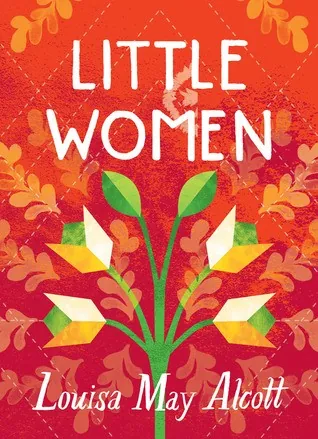
Jane Eyre by Charlotte Brontë (1847) is the essential companion about the woman’s voice: Jane, an orphan who becomes a governess, in the novel of the love that must not cost her herself. It shares The Chai Factor’s heroine with a self of her own, with the register deepened and the setting moved back. Content note: a classic novel; for readers from around age fifteen upward.
The Hating Game by Sally Thorne (2016) is the essential companion about the rivalry: Lucy and Joshua, co-workers who hate each other, in the novel of the hate that becomes something else. It shares The Chai Factor’s humor, its workplace and its heroine with a career. Content note: a contemporary romance; for readers from around age sixteen upward.
Interpreter of Maladies by Jhumpa Lahiri (1999) is the essential companion in stories: nine stories of Indians and Indian Americans caught between the two worlds, in the collection that won the Pulitzer Prize. It shares The Chai Factor’s culture and its characters, with the romance replaced by the quieter registers. Content note: a literary collection; for readers from around age fifteen upward.
Themes and Values That Hold the Readalikes Together
Once you have read a few of these books side by side, the shared themes become clear, and they are worth naming because they are what make the category cohere.
The romance with the self runs through every one of them. The Chai Factor’s central claim - that Amira must keep herself while falling in love - is the load-bearing structure of the whole family. The books are united by the conviction that the heroine’s ambition is not the obstacle to the love but the thing the love must fit around.
The family as the chorus is the second shared shape. The family is united by the loud, loving families that shape the story - the chai, the opinions, the weddings - and by the conviction that the family is the chorus the romance sings against. The books agree that the family is part of the love.
The humor as the honesty is the third shared theme. The family is united by the wit - the banter, the set-ups, the warmth - and by the conviction that the humor is how the truth is told. The books agree that the laughter is the love.
What to Read Next Depends on Why You Loved It
If you loved the contemporary romance, read The Wedding Date and The Hating Game.
If you loved the humor, read A Man Called Ove and Pride and Prejudice.
If you loved the culture, read The Henna Artist and The Forty Rules of Love.
If you loved the heroine with ambition, read Jane Eyre.
If you loved the many lives, read Interpreter of Maladies.
Content Notes: What These Books Contain
The Chai Factor is a contemporary romance with some adult content, usually recommended for readers from around age sixteen upward. The Wedding Date is a contemporary romance. A Man Called Ove deals with grief. The Kiss Quotient has explicit content. The Henna Artist deals with family and secrets. Pride and Prejudice is a classic novel. The Forty Rules of Love deals with faith and love. Jane Eyre is a classic novel. The Hating Game is a contemporary romance. Interpreter of Maladies is a literary collection. None contain gratuitous content; the weight is emotional. Our civilizations and culture themes and notes and our family-friendly world literature offer related reading paths for the cultures and stories these books celebrate.
Why These Books Work as a Set
Read together, these readalikes form a coherent shelf rather than a random pile, and the coherence is worth naming for anyone building a reading list. They are bound by the conviction that the heroine’s ambition is not the obstacle to the love but the thing the love must fit around, and that the family is the chorus the romance sings against. They are also bound by humor: nearly every title here tells its truth through wit and warmth. That shared DNA means the shelf rewards reading in almost any order - the books talk to each other. The Wedding Date deepens The Chai Factor; Pride and Prejudice carries the wit across the centuries; The Henna Artist extends the culture into a different register. For a reader working through the family, the pairings are as instructive as the individual titles, which is why the reading plan below suggests specific combinations rather than a single sequence.
A Reading Plan for Book Clubs
The Chai Factor generates conversation on every level: the romance, the family, the question of what a woman owes her ambition and her love. Some of the best discussion questions come from pairing it with a book that shares or challenges it: read it with Pride and Prejudice, and compare the two wits and the two matches; read it with The Henna Artist, and ask how the culture shapes the woman; read it with Jane Eyre, and discuss the two heroines and the two selves they keep.
Conclusion: The Chai That Keeps Giving
The Chai Factor endures because it is about something permanent: the conviction that the heroine’s ambition is part of the love, that the family is the chorus, and that the humor is the honesty. Every book on this list takes one piece of that - the romance, the family, the wit - and builds its own account around it. The joy of reading them is the joy of watching the same warmth practiced in different families, different cultures, different registers. Start with whichever part of Amira’s story you loved most, and let the comparison teach you what the chai is really made of. For the full collection of reading paths, start at the Worlds section of our site.