Books Like Little Women
Introduction: What Readers Mean by “Books Like Little Women”
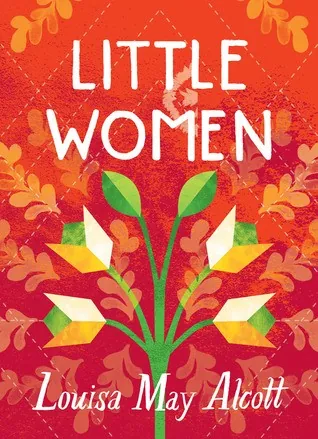
When readers ask for books like Little Women, they are rarely asking for just any classic. They are asking for something more specific: sisters or a family at the center, a coming of age told with warmth and honesty, and the conviction that character is built in the everyday. Little Women (1868) has all three: Meg, Jo, Beth and Amy, four sisters in Civil War-era Massachusetts; the family that holds them together through want and loss; and the novel’s central claim that the small choices of daily life are what build a character. The books that come closest are the ones that find their own way to the same combination.
This guide gathers the strongest readalikes, old and new, with honest content notes and a clear sense of what each book shares with Alcott’s novel and where it departs from it.
The Alcott World
The books that come closest to Little Women are the rest of the author’s own world.
Good Wives by Louisa May Alcott (1869) is the essential companion: the second part of Little Women, following Meg, Jo, Beth and Amy into their marriages and their lives. It shares Little Women’s family and its warmth, carrying the sisters forward. Content note: a classic novel; for readers from around age twelve upward.
Little Men by Louisa May Alcott (1871) is the essential companion about the next generation: Jo’s school for boys at Plumfield, in the novel of the teaching and the growing. It shares Little Women’s author and its conviction that character is built in the everyday. Content note: a classic novel; for readers from around age eleven upward.
Jo’s Boys by Louisa May Alcott (1886) is the essential companion that concludes the world: the grown children of Plumfield, in the novel of the endings and the beginnings. It shares Little Women’s family, carrying the world to its close. Content note: a classic novel; for readers from around age thirteen upward.
The Coming of Age
A second branch of the family is the novel about the coming of age told with warmth and honesty.
Anne of Green Gables by L. M. Montgomery (1908) is the essential companion: Anne, an orphan sent to the Cuthberts’ farm on Prince Edward Island, in the novel of the imagination that fills the house. It shares Little Women’s coming of age and its warmth, with the sisters replaced by the single heroine. Content note: a classic children’s novel; for readers from around age ten upward.
Pride and Prejudice by Jane Austen (1813) is the essential companion about the family and the marriage: Elizabeth Bennet and her four sisters, in the novel of the matches and the misunderstandings. It shares Little Women’s sisters and its conviction that character decides the match, with the register sharpened. Content note: a classic novel; for readers from around age fourteen upward.
A Little Princess by Frances Hodgson Burnett (1905) is the essential companion about the heroine: Sara Crewe, a wealthy girl who loses everything and must find her way back, in the novel of the imagination that carries her. It shares Little Women’s heroine with a mind of her own. Content note: a classic children’s novel; for readers from around age nine upward.
The Sisters and the Families
A third branch is the novel about the sisters and the family - the bond that carries the story.
The Once and Future Witches by Alix E. Harrow (2020) is the essential companion about the sisters and the power: Juniper, Agnes and Beatrice, three estranged sisters in 1893 New Salem who reclaim the witchcraft their family lost. It shares Little Women’s sisters, with the magic added and the era moved forward. Content note: a fantasy novel dealing with suffrage and magic; for readers from around age sixteen upward.
The Nightingale by Kristin Hannah (2015) is the essential companion in adult register: Vianne and Isabelle, two sisters in occupied France - one who endures, one who fights. It shares Little Women’s sisters, with the war added and the register deepened. Content note: an adult novel that includes wartime violence, including sexual violence; for mature readers.
The Secret Garden by Frances Hodgson Burnett (1911) is the essential companion about the healing: Mary Lennox, a spoiled orphan sent to her uncle’s Yorkshire manor, in the novel of the garden that heals her. It shares Little Women’s child and its healing, with the sisters replaced by the garden. Content note: a classic children’s novel; for readers from around age nine upward.
Themes and Values That Hold the Readalikes Together
Once you have read a few of these books side by side, the shared themes become clear, and they are worth naming because they are what make the category cohere.
The family as the world runs through every one of them. Little Women’s central claim - that the family is the world the character is built in - is the load-bearing structure of the whole family of novels. The books are united by the conviction that the family is the place, and that the place is the story.
The everyday as the character is the second shared shape. The family is united by the small choices - the work, the want, the forgiveness - and by the conviction that character is built in the everyday. The books agree that the daily is the moral.
The sister as the self is the third shared theme. The family is united by the sisters - the four March girls, Elizabeth and her sisters, the three witches - and by the conviction that the sister is the mirror of the self. The books agree that the bond is the engine.
What to Read Next Depends on Why You Loved It
If you loved the world, read Good Wives, Little Men and Jo’s Boys.
If you loved the coming of age, read Anne of Green Gables and A Little Princess.
If you loved the family and the marriage, read Pride and Prejudice.
If you loved the sisters, read The Once and Future Witches and The Nightingale.
If you loved the healing, read The Secret Garden.
Content Notes: What These Books Contain
Little Women is written for young readers, most naturally from around age twelve upward; it deals with loss and want honestly but gently. Good Wives, Little Men and Jo’s Boys continue the world. Anne of Green Gables is a classic children’s novel. Pride and Prejudice is a classic novel. A Little Princess is a classic children’s novel. The Once and Future Witches deals with suffrage and magic. The Nightingale includes wartime violence, including sexual violence. The Secret Garden is a classic children’s novel. None contain gratuitous content; the weight is warm and honest. Our scholars and scientists themes and notes and our family-friendly education through history offer related reading paths for the craft and the minds behind these classics.
A Closer Look: What the March Sisters Teach
Little Women is more than a family story - it is one of the first novels to take seriously the inner lives of girls, and the March sisters remain alive because each one is a different answer to the same question: what does a girl owe her family, her talent and herself? Meg chooses the domestic life and is not diminished by it; Jo chooses her writing and is not exempted from the cost; Beth gives without keeping anything back and is loved for it; Amy chooses ambition and is allowed to grow into it. The novel’s quiet radicalism is that none of these choices is the wrong one - character, not destiny, decides the life. The books on this list carry the same conviction in their own registers: Anne of Green Gables grows through imagination and mistake; Elizabeth Bennet through judgment and correction; the sisters of The Nightingale through endurance and fight. Readers who loved the way Little Women lets each sister be herself will find the same generosity in every one of them - the belief that the everyday choices are the character, and that the character is the life.
Why These Books Work as a Set
Read together, these readalikes form a coherent shelf rather than a random pile, and the coherence is worth naming for anyone building a reading list. They are bound by the conviction that the family is the world, that the everyday is the character, and that the sister is the self. They are also bound by warmth: nearly every title here tells its coming of age with honesty and hope. That shared DNA means the shelf rewards reading in almost any order - the books talk to each other. Good Wives carries the sisters forward; Anne of Green Gables echoes the heroine across the island; The Once and Future Witches brings the sisters to the present. For a reader working through the family, the pairings are as instructive as the individual titles, which is why the reading plan below suggests specific combinations rather than a single sequence.
A Reading Plan for Book Clubs
Little Women generates conversation on every level: the sisters, the everyday, the question of what character is actually built from. Some of the best discussion questions come from pairing it with a book that shares or challenges it: read it with Anne of Green Gables, and compare the two heroines and the two imaginations; read it with Pride and Prejudice, and ask how the two families differ; read it with The Nightingale, and discuss the two sisterhoods and the two eras.
Conclusion: The Family That Keeps Giving
Little Women endures because it is about something permanent: the conviction that the family is the world, that the everyday is the character, and that the sister is the self. Every book on this list takes one piece of that - the family, the daily, the bond - and builds its own account around it. The joy of reading them is the joy of watching the same building practiced in different houses, different eras, different registers. Start with whichever part of the March sisters’ story you loved most, and let the comparison teach you what the character is really made of. For the full collection of reading paths, start at the Worlds section of our site.