Books Like Jane Eyre
Introduction: What Readers Mean by “Books Like Jane Eyre”
When readers ask for books like Jane Eyre, they are rarely asking for just any classic. They are asking for something more specific: a heroine with a self she will not surrender, an old house with a secret, and a gothic atmosphere that carries the emotion. Jane Eyre (1847) has all three: Jane, an orphan who becomes a governess at Thornfield Hall; the mystery of the house - the laughter in the attic, the fire, the secret wife; and the novel’s central claim that Jane will not buy love at the cost of herself. The books that come closest are the ones that find their own way to the same combination.
This guide gathers the strongest readalikes, old and new, with honest content notes and a clear sense of what each book shares with Brontë’s novel and where it departs from it.
The Brontë Novels
The books that come closest to Jane Eyre are the rest of the Brontë family’s world.
Wuthering Heights by Emily Brontë (1847) is the essential companion: Heathcliff and Catherine, in the novel of the love that destroys across two generations on the Yorkshire moors. It shares Jane Eyre’s moors, its passion and its first-person frame, with the register darkened. Content note: a classic novel with cruelty and obsession; for readers from around age sixteen upward.
The Tenant of Wildfell Hall by Anne Brontë (1848) is the essential companion about the woman’s voice: Helen, a woman who leaves her abusive husband and lives under an assumed name, in the novel told through her diary. It shares Jane Eyre’s first-person voice and its heroine with a self, with the register hardened. Content note: a classic novel dealing with abuse; for readers from around age sixteen upward.
Villette by Charlotte Brontë (1853) is the essential companion about the governess abroad: Lucy Snowe, an Englishwoman who becomes a teacher in a Belgian boarding school, in the novel of the solitary life and the love. It shares Jane Eyre’s author, its heroine and its depth, with the register deepened. Content note: a classic novel; for readers from around age sixteen upward.
The Houses and the Secrets
A second branch of the family is the novel about the old house with a secret - the gothic atmosphere as the carrier.
Rebecca by Daphne du Maurier (1938) is the essential companion: a young woman who marries a widower and comes to his house Manderley, in the novel of the first wife who haunts it. It shares Jane Eyre’s house, its secret and its first-person voice, with the governess replaced by the wife. Content note: a gothic novel; for readers from around age fifteen upward.
The Turn of the Screw by Henry James (1898) is the essential companion in darker register: a governess at a country house who believes the children are haunted, in the novella of the ambiguity. It shares Jane Eyre’s governess and its house, with the register sharpened. Content note: a gothic novella; for readers from around age sixteen upward.
The Secret Garden by Frances Hodgson Burnett (1911) is the essential companion in gentle register: Mary Lennox, a spoiled orphan sent to her uncle’s Yorkshire manor, in the novel of the garden she brings back to life. It shares Jane Eyre’s orphan, its old house and its Yorkshire, with the secret turned to the garden. Content note: a classic children’s novel; for readers from around age nine upward.
The Heroines with Selves
A third branch is the novel about the heroine who will not be bought - the self at the center.
Pride and Prejudice by Jane Austen (1813) is the essential companion about the match and the mind: Elizabeth Bennet and Mr. Darcy, in the novel of the prejudice that must be shed. It shares Jane Eyre’s heroine with a mind of her own, with the gothic replaced by the wit. Content note: a classic novel; for readers from around age fourteen upward.
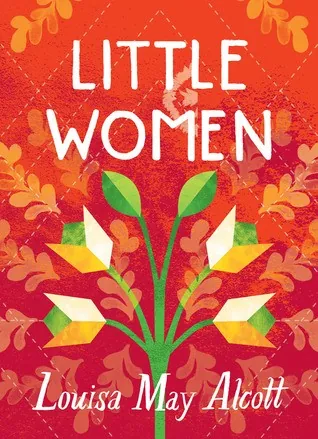
Little Women by Louisa May Alcott (1868) is the essential companion about the family and the self: Meg, Jo, Beth and Amy, four sisters in Civil War-era Massachusetts. It shares Jane Eyre’s heroine who will not be bought, with the register gentler. Content note: a classic novel; for readers from around age twelve upward.
The Wide Sargasso Sea by Jean Rhys (1966) is the essential companion that answers Jane Eyre: the story of Bertha, the woman in the attic, told from her own side in the Caribbean. It shares Jane Eyre’s world and its secret, with the voice turned to the silenced. Content note: a literary novel dealing with colonialism and madness; for readers from around age seventeen upward.
Themes and Values That Hold the Readalikes Together
Once you have read a few of these books side by side, the shared themes become clear, and they are worth naming because they are what make the category cohere.
The self as the treasure runs through every one of them. Jane Eyre’s central claim - that Jane will not buy love at the cost of herself - is the load-bearing structure of the whole family. The books are united by the conviction that the self is the treasure, and that the surrender is the only true loss.
The house as the secret is the second shared shape. The family is united by the old house with a secret - Thornfield, Manderley, Wildfell Hall - and by the conviction that the house holds the truth. The books agree that the secret must surface.
The voice as the truth is the third shared theme. The family is united by the first-person voice - the governess, the wife, the tenant - and by the conviction that the telling is the truth. The books agree that the voice is the self, and that the self is the story.
What to Read Next Depends on Why You Loved It
If you loved the Brontës, read Wuthering Heights and Villette.
If you loved the house and the secret, read Rebecca and The Turn of the Screw.
If you loved the woman’s voice, read The Tenant of Wildfell Hall and The Wide Sargasso Sea.
If you loved the heroine with a self, read Pride and Prejudice and Little Women.
If you loved the old house in gentle register, read The Secret Garden.
Content Notes: What These Books Contain
Jane Eyre is a classic novel with adult themes - madness, cruelty, faith - most naturally from around age fifteen upward; there is no graphic content. Wuthering Heights deals with cruelty and obsession. The Tenant of Wildfell Hall deals with abuse. Villette is a classic novel. Rebecca is a gothic novel. The Turn of the Screw is a gothic novella. The Secret Garden is a classic children’s novel. Pride and Prejudice is a classic novel. Little Women is a classic novel. The Wide Sargasso Sea deals with colonialism and madness. None contain gratuitous content; the weight is emotional and gothic. Our thoughtful guide to education through history and our best medieval history list offer related reading paths for the craft and the eras behind these classics.
A Closer Look: What Jane’s Refusal Teaches
The most famous moment in Jane Eyre is also the quietest: Jane, standing at the door of Thornfield, choosing to leave the man she loves because staying would cost her herself. The choice is the whole novel - Rochester offers her love, luxury and a life without the restraints of respectability, and Jane refuses because the self is not for sale. Brontë’s claim is that love is not worth what it costs when it costs the lover, and that the woman who leaves keeps more than the woman who stays. The books on this list carry the same claim in their own registers: Elizabeth Bennet refuses Darcy until he deserves her; Jo March refuses Laurie because she knows herself; Helen Graham leaves her abusive husband and builds a life under an assumed name. Readers who loved Jane’s refusal will find its echo in every one of them - the belief that the self is the treasure, and that the surrender is the only true loss.
Why These Books Work as a Set
Read together, these readalikes form a coherent shelf rather than a random pile, and the coherence is worth naming for anyone building a reading list. They are bound by the conviction that the self is the treasure, that the house is the secret, and that the voice is the truth. They are also bound by craft: nearly every title here tells its story through the heroine’s first-person voice, letting the reader feel the world through her. That shared DNA means the shelf rewards reading in almost any order - the books talk to each other. Wuthering Heights darkens Jane Eyre’s passion; Rebecca echoes the house and its secret; The Wide Sargasso Sea answers the silenced voice. For a reader working through the family, the pairings are as instructive as the individual titles, which is why the reading plan below suggests specific combinations rather than a single sequence.
A Reading Plan for Book Clubs
Jane Eyre generates conversation on every level: the self, the house, the question of what the love is actually worth. Some of the best discussion questions come from pairing it with a book that shares or challenges it: read it with Wuthering Heights, and compare the two loves and the two registers; read it with Rebecca, and ask how the two houses differ; read it with The Wide Sargasso Sea, and discuss what the silenced voice adds to the story.
Conclusion: The Self That Keeps Giving
Jane Eyre endures because it is about something permanent: the conviction that the self is the treasure, that the house is the secret, and that the voice is the truth. Every book on this list takes one piece of that - the self, the house, the voice - and builds its own account around it. The joy of reading them is the joy of watching the same refusal practiced in different houses, different moors, different registers. Start with whichever part of Jane’s story you loved most, and let the comparison teach you what the self is really made of. For the full collection of reading paths, start at the Worlds section of our site.