Books Like A Man Called Ove
Introduction: What Readers Mean by “Books Like A Man Called Ove”
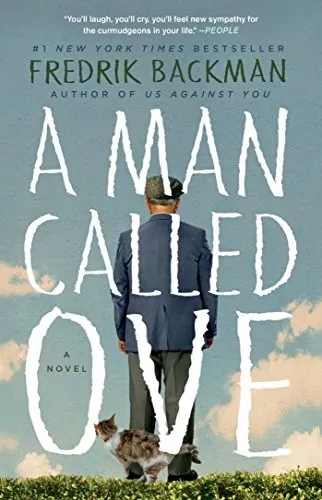
When readers ask for books like A Man Called Ove, they are rarely asking for just any novel. They are asking for something more specific: a grumpy protagonist who is hiding a broken heart, a community that refuses to let him go, and a warmth that carries the grief. A Man Called Ove (2012) has all three: Ove, a bitter old man whose plans to end his life keep being interrupted by his neighbors; the community that forms around him whether he likes it or not; and the novel’s central claim - that the everyday connections are the meaning. The books that come closest are the ones that find their own way to the same combination.
This guide gathers the strongest readalikes, old and new, with honest content notes and a clear sense of what each book shares with Backman’s novel and where it departs from it.
The Backman Novels
The books that come closest to A Man Called Ove are the author’s own explorations of the same world.
Britt-Marie Was Here by Fredrik Backman (2014) is the essential companion: Britt-Marie, a woman whose life has been organized around her absent husband, who takes a job in a small town that needs her. It shares A Man Called Ove’s author, its grump and its warmth, with the old man replaced by the fussy woman. Content note: a gentle novel; for readers from around age fifteen upward.
My Grandmother Asked Me to Tell You She’s Sorry by Fredrik Backman (2013) is the essential companion about the grandmother: Elsa, a seven-year-old, and her grandmother, who sends her on a fairy-tale quest through the building where they live. It shares A Man Called Ove’s community and its warmth, with the old man replaced by the grandmother. Content note: a gentle novel dealing with loss; for readers from around age fifteen upward.
Anxious People by Fredrik Backman (2019) is the essential companion about the hostages: a failed bank robber takes a group of strangers hostage at an apartment viewing, in the novel of the connections that form in the room. It shares A Man Called Ove’s community and its warmth, with the structure tightened. Content note: a gentle novel; for readers from around age sixteen upward.
The Grumps and the Lonely
A second branch of the family is the novel about the grump or the lonely person opened by the community.
The Unlikely Pilgrimage of Harold Fry by Rachel Joyce (2012) is the essential companion about the walk: Harold, a retired man who walks across England to visit a dying friend, in the novel of the pilgrimage that changes him. It shares A Man Called Ove’s old protagonist and its journey of the heart, with the neighbors replaced by the road. Content note: a gentle novel dealing with loss; for readers from around age fifteen upward.
The Hundred-Year-Old Man Who Climbed Out the Window and Disappeared by Jonas Jonasson (2009) is the essential companion in comic register: Allan, a hundred-year-old man who escapes his nursing home and has an adventure, in the novel of the century of history he has lived. It shares A Man Called Ove’s old protagonist and its warmth, with the register comic. Content note: a comic novel; for readers from around age fifteen upward.
Eleanor Oliphant Is Completely Fine by Gail Honeyman (2017) is the essential companion about the lonely woman: Eleanor, a socially isolated woman whose careful routine is disrupted by a colleague’s kindness. It shares A Man Called Ove’s lonely protagonist and its community, with the register deepened. Content note: a novel dealing with trauma and loneliness; for readers from around age sixteen upward.
The Communities That Form
A third branch is the novel about the community that forms around the lonely - the place that becomes a family.
The Readers of Broken Wheel Recommend by Katarina Bivald (2016) is the essential companion: Sara, a Swedish bookshop worker who visits a small American town and accidentally builds a book club that revives it. It shares A Man Called Ove’s community and its warmth, with the grump replaced by the bookshop. Content note: a gentle novel; for readers from around age fourteen upward.
The Storied Life of A.J. Fikry by Gabrielle Zevin (2014) is the essential companion about the bookseller: A.J. Fikry, a curmudgeonly bookseller on a small island, whose life is changed by the baby left in his store. It shares A Man Called Ove’s grump, its island community and its warmth. Content note: a gentle novel dealing with loss; for readers from around age fifteen upward.
A Man Called Ove also belongs to the family of novels about the second chance at the end of life, and the closest of those in recent fiction is The Midnight Library by Matt Haig (2020): Nora, a woman who finds a library where each book is a life she could have lived. It shares A Man Called Ove’s despair and its reconsideration of a life, with the neighbors replaced by the library. Content note: a novel dealing with depression and regret; for readers from around age sixteen upward.
Themes and Values That Hold the Readalikes Together
Once you have read a few of these books side by side, the shared themes become clear, and they are worth naming because they are what make the category cohere.
The grump as the mask runs through every one of them. A Man Called Ove’s central structure - the bitterness that hides the broken heart - is the load-bearing structure of the whole family. The books are united by the conviction that the grump is the mask, and that the heart is the truth beneath it.
The community as the cure is the second shared shape. The family is united by the neighbors, the town, the book club - the community that forms around the lonely - and by the conviction that the community is the cure. The books agree that no one is saved alone.
The warmth as the craft is the third shared theme. The family is united by the warmth that carries the grief - the humor, the tenderness, the everyday - and by the conviction that the warmth is the craft. The books agree that the light is how the dark becomes bearable.
What to Read Next Depends on Why You Loved It
If you loved the author, read Britt-Marie Was Here and Anxious People.
If you loved the grump, read The Hundred-Year-Old Man and Eleanor Oliphant.
If you loved the journey, read The Unlikely Pilgrimage of Harold Fry.
If you loved the community, read The Readers of Broken Wheel Recommend and The Storied Life of A.J. Fikry.
If you loved the second chance, read The Midnight Library.
Content Notes: What These Books Contain
A Man Called Ove is a gentle novel dealing with grief and suicide, most naturally from around age fifteen upward. Britt-Marie Was Here, My Grandmother Asked Me to Tell You She’s Sorry and Anxious People are gentle novels. The Unlikely Pilgrimage of Harold Fry deals with loss. The Hundred-Year-Old Man is a comic novel. Eleanor Oliphant deals with trauma and loneliness. The Readers of Broken Wheel Recommend is a gentle novel. The Storied Life of A.J. Fikry deals with loss. The Midnight Library deals with depression and regret. None contain gratuitous content; the weight is warm and humane. Our family-friendly medieval history and our meaningful historical reading lists for adults offer related reading paths for the craft and the eras behind these books.
Why These Books Work as a Set
Read together, these readalikes form a coherent shelf rather than a random pile, and the coherence is worth naming for anyone building a reading list. They are bound by the conviction that the grump is the mask, that the community is the cure, and that the warmth is the craft. They are also bound by tone: nearly every title here carries its grief in a register of warmth and humor, letting the reader hold the dark because the telling is light. That shared DNA means the shelf rewards reading in almost any order - the books talk to each other. Britt-Marie echoes Ove’s grump across the town; Harold Fry carries the journey to the road; The Midnight Library deepens the despair and the second chance. For a reader working through the family, the pairings are as instructive as the individual titles, which is why the reading plan below suggests specific combinations rather than a single sequence.
A Reading Plan for Book Clubs
A Man Called Ove generates conversation on every level: the grump, the community, the question of what actually saves a life. Some of the best discussion questions come from pairing it with a book that shares or challenges it: read it with Britt-Marie Was Here, and compare the two masks and the two uncoverings; read it with The Unlikely Pilgrimage of Harold Fry, and ask how the two journeys differ; read it with The Midnight Library, and discuss the two reconsiderations of a life.
Conclusion: The Neighbors That Keep Giving
A Man Called Ove endures because it is about something permanent: the conviction that the grump is the mask, that the community is the cure, and that the warmth is the craft. Every book on this list takes one piece of that - the grump, the neighbors, the warmth - and builds its own account around it. The joy of reading them is the joy of watching the same opening practiced in different towns, different registers, different hearts. Start with whichever part of Ove’s story you loved most, and let the comparison teach you what the community is really made of. For the full collection of reading paths, start at the Worlds section of our site.