Best Books About War and Peace by Herman Wouk
Introduction: The Great American War Saga
Herman Wouk was one of America’s most beloved novelists - the Pulitzer Prize-winning author who served in the Pacific in the Second World War and spent a lifetime writing it. His essential book on war and peace is The Winds of War (1971), the saga of the Henry family through the years leading to the war. This guide maps Wouk’s books on war and peace, the themes that make his writing cohere, and the companions for when you want more.
The Wouk Books in Reading Order
The Winds of War (1971) is the essential Wouk, and the book that made the war a family story. It is the saga of the Henry family - Victor Henry, a naval officer, his wife Rhoda, and their children - through the years from 1939 to the attack on Pearl Harbor, following the family from Washington to Berlin, from Poland to the Pacific. Wouk weaves the family’s story through the history, and he gives the book its famous device: the fictional memoir of the German general Armin von Roon, whose analysis of the war Wouk uses to tell the strategic story. It is the key to everything else he has written.
War and Remembrance (1978) is the essential companion about the war itself: the sequel that carries the Henry family through the war - Midway, the Holocaust, the death camps - to the victory. It shares the family, with the war at the center.
The Caine Mutiny (1951) is the essential companion about the Navy: Wouk’s Pulitzer Prize-winning novel of a mutiny on a minesweeper in the Pacific war. It shares the service, with the ship at the center.
The Hope (1993) and The Glory (1994) are the essential companions about the other wars: Wouk’s two-volume saga of the founding of Israel. They share the method, with the new nation at the center.
Content Notes for Each Book
The Winds of War deals with the approach of the war and the life of the family - treated with Wouk’s seriousness rather than sensationalism. It is best for readers from around age sixteen upward.
War and Remembrance deals with the Holocaust and the full horror of the war; it is best for readers from around age sixteen upward.
The Caine Mutiny deals with war, discipline and the trial; it is best for readers from around age sixteen upward.
The War and Peace Themes in Wouk’s Work
Three themes give Wouk’s writing on war and peace its distinctive shape.
The family as the lens is his signature method. Wouk told the largest war in history through the smallest unit - the family - and his conviction was that the great events are best understood through the ordinary lives that live through them. The books agree that the family is the frame.
The history as the obligation is the second theme. Wouk served in the war, and his conviction was that the generation that lived it owed the telling - the war must be remembered whole, including the Holocaust, because the remembering is the obligation. The books agree that the witness is the duty.
The peace as the prize is the third theme. For Wouk the war is fought for the peace - the family, the home, the ordinary life - and his conviction was that the peace is what gives the war its meaning. The books agree that the peace is the point.
Why Wouk’s War Writing Endures
The Winds of War and War and Remembrance were bestsellers and were adapted into landmark television miniseries, and their endurance rests on a simple achievement: Wouk told the Second World War as a family story with the sweep of history, and millions of readers entered the war through the Henrys. The books became the shared doorway into the war for the American family.
His influence extends beyond the books: the miniseries brought the saga to tens of millions, and The Caine Mutiny remains a classic of the Navy novel. But the books endure because of their conviction: that the war was lived by ordinary people, and that the family is the truest lens on the great events.
Companion Books for Every Wouk Reader
When you have finished Wouk’s own books, these titles extend the same territory.
War and Peace by Leo Tolstoy (1869) is the essential companion about the epic: the novel of Napoleon’s invasion of Russia. It shares the sweep, with the nineteenth century at the center.
All Quiet on the Western Front by Erich Maria Remarque (1929) is the essential companion about the soldier: the novel of the First World War told from the trench. It shares the war, with the experience at the center.
The Nightingale by Kristin Hannah (2015) is the essential companion about the home front: the novel of two sisters in occupied France. It shares the war, with the resistance at the center.
For the fuller shelves, our historical reading lists gather the essential titles, and our education through history reading notes extends the shelf into how the wars are taught.
A Reading Plan for Book Clubs
The Winds of War generates conversation on every level: the family, the history, the question of what the saga actually argues. The most fertile questions are the ones the book refuses to settle: Is the family the truest lens on the war? What does the book ask the reader to make of the fictional General von Roon and his analysis? Can the war be told whole, or only through the lives?
The book also generates the hardest kind of discussion: the question of what the generation that lived the war owes the telling - and how the remembering of the Holocaust is carried into War and Remembrance. Clubs should expect the conversation to range from Washington to Berlin to the Pacific, which is exactly the range Wouk intended.
A Note on the Book’s Structure and Editions
The Winds of War is a long novel, and readers should know that its structure interleaves the family’s story with the fictional memoir of General von Roon - Wouk’s device for telling the strategic history alongside the personal. The sequel, War and Remembrance, carries the family through the war itself, and the two novels together form a single saga. The books are best read in sequence and in generous sittings, and they reward the reader who surrenders to the sweep.
What Wouk’s Books Teach Together
Read together, The Winds of War and War and Remembrance form a single conversation: the first novel tells the approach of the war, and the second tells the war itself - from Midway to the Holocaust. Both are built on the same conviction - that the war was lived by ordinary people and that the remembering is the obligation - and each one widens the claim: the approach and the war. That is why the books belong together on the same shelf, and why readers who finish one should not stop there.
The Sailor Behind the Saga
Readers who know Wouk only from the books should know the sailor behind them: he served in the Pacific in the Second World War, aboard the minesweeper that became the model for The Caine Mutiny, and he wrote some of The Winds of War’s sea passages from the experience. He has said that the war was the defining experience of his generation, and that the obligation to remember it drove the decades of writing. The reader who follows the thread from the novels to the biography will see the same conviction at work: the writer who had been in the war writing the war, and insisting that the remembering is the duty.
Why Wouk Still Matters to New Readers
The Winds of War and War and Remembrance remain the great American family saga of the Second World War, and they matter because they answer the question every generation asks about the war: what was it actually like to live through it? Wouk’s answer is the Henrys - the naval officer, the wife, the children - and through them the reader enters the war from Washington to Berlin to the Pacific. New readers will find the saga long but welcoming, and they will come away with the war seen from the American home.
Where to Begin and What to Read Next
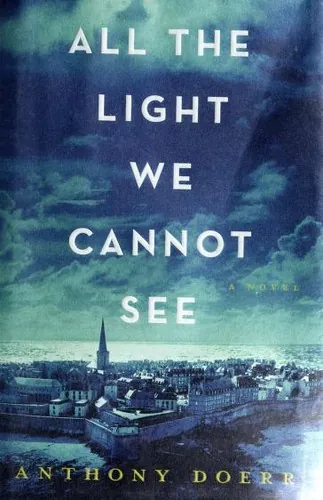
For readers new to Wouk, The Winds of War is the essential starting point - it is the first half of the saga, and it shows every element of his method at its best. Readers who want the war itself should follow with War and Remembrance; readers who want the Navy should read The Caine Mutiny; and readers who want the other wars should move to The Hope and The Glory. And because Wouk is best read beside the other great war writers, the natural next shelf pairs him with the epic of Tolstoy, the trench of Remarque, the light of Doerr and the women’s war of Hannah - the saga, the epic, the trench and the resistance, together forming the full picture of what the literature of war and peace can do.
Conclusion: The Family Still Enduring
Herman Wouk’s contribution to the literature of war and peace is a single achievement, and it has entered the language of readers everywhere: the family in the war. He wrote it into the Henrys and the Pacific, and it has outlasted every attempt to reduce the war to the maps of the generals. His war is the family’s war; his peace is the home; his craft is the sweep of the saga. Read him, and let the Henrys show you what the war was really made of. For more reading paths, explore the Worlds section of our site, or continue with our historical reading lists reading notes.