Best Books About War and Peace by Anthony Doerr
Introduction: The Luminous Novel of the War
Anthony Doerr is the American novelist whose All the Light We Cannot See (2014) became one of the most beloved novels of the century - the Pulitzer Prize-winning story of a blind French girl and a German boy in the Second World War. This guide maps Doerr’s books on war and peace, the themes that make his writing cohere, and the companions for when you want more.
The Doerr Books in Reading Order
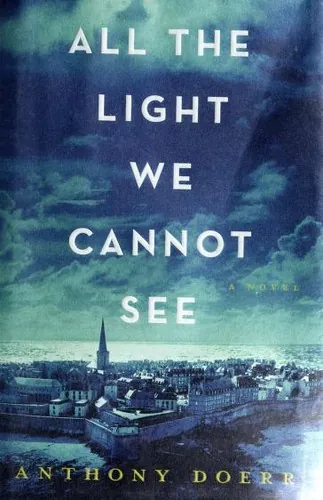
All the Light We Cannot See (2014) is the essential Doerr, and the book that made him famous. It is the novel of the Second World War told in two interleaved stories: Marie-Laure, a blind French girl who flees Paris with her father, carrying a cursed diamond, to the walled city of Saint-Malo; and Werner, a German orphan whose gift for radio brings him into the war and to the same city. Doerr weaves the two stories together with extraordinary craft, chapter by chapter, toward the siege of Saint-Malo in August 1944. It is the key to everything else he has written.
Cloud Cuckoo Land (2021) is the essential companion about the larger story: Doerr’s novel of five characters across six centuries, bound together by an ancient Greek story. It shares the craft, with the book at the center.
The Shell Collector (2002) is the essential companion about the short stories: Doerr’s first collection, full of the precise observation that marks all his work. It shares the method, with the sea at the center.
About Grace (2004) is the essential companion about the obsession: Doerr’s novel of a man who dreams the future and flees it. It shares the craft, with the dream at the center.
Content Notes for Each Book
All the Light We Cannot See deals with the violence of the war, the occupation and the death of innocents - treated with Doerr’s restraint rather than graphic relish. It is best for readers from around age sixteen upward.
Cloud Cuckoo Land deals with the span of centuries and the fate of the book; it is best for readers from around age sixteen upward.
The Shell Collector is a collection of short stories about the natural world; it is suitable for readers from around age fifteen upward.
The War and Peace Themes in Doerr’s Work
Three themes give Doerr’s writing on war and peace its distinctive shape.
The light as the survival is his signature vision. Doerr writes the war in light - the sea, the shell, the radio wave, the beam of the lighthouse - and his conviction is that the small beautiful things are what the war cannot destroy. The books agree that the light is the answer to the dark.
The small as the scale is the second theme. Doerr’s war is told at the scale of the individual - the blind girl, the orphan boy, the kindness of a stranger - and his conviction is that the small scale is the truest scale for the great events. The books agree that the person is the story.
The connection as the hope is the third theme. The radio that binds Marie-Laure and Werner is the emblem of Doerr’s conviction that the connections - the signals, the stories, the kindnesses - are what survive the war. The books agree that the connection is the hope.
Why Doerr’s War Writing Endures
All the Light We Cannot See won the Pulitzer Prize and has sold millions of copies, and its endurance rests on a simple achievement: Doerr wrote the darkest of subjects - the Second World War, the occupation, the death of innocents - in prose of extraordinary light, and the combination proved irresistible. The novel became the shared doorway into the war for a new generation of readers.
His influence extends beyond the novel: the Netflix adaptation brought the story to millions more, and Cloud Cuckoo Land confirmed the craft. But the books endure because of their conviction: that the light is what the war cannot destroy, and that the small beautiful things are the answer.
Companion Books for Every Doerr Reader
When you have finished Doerr’s own books, these titles extend the same territory.
The Nightingale by Kristin Hannah (2015) is the essential companion about the resistance: the novel of two sisters in occupied France. It shares the war, with the courage at the center.
The Winds of War by Herman Wouk (1971) is the essential companion about the family: the saga of the Henry family through the Second World War. It shares the sweep, with the global war at the center.
All Quiet on the Western Front by Erich Maria Remarque (1929) is the essential companion about the soldier: the novel of the First World War told from the trench. It shares the war, with the experience at the center.
For the fuller shelves, our historical reading lists gather the essential titles, and our meaningful education through history list extends the shelf into the deeper readings.
A Reading Plan for Book Clubs
All the Light We Cannot See generates conversation on every level: the craft, the characters, the question of what the light actually means. The most fertile questions are the ones the book refuses to settle: Is the diamond real or a fiction? What does the book ask the reader to make of the two children on opposite sides? Does the light the war cannot destroy exist, or is it only the writer’s consolation?
The book also generates the hardest kind of discussion: the question of whether beauty can do justice to the horror - and what the luminous novel owes the dead of the war. Clubs should expect the conversation to range from the radio waves to the siege of Saint-Malo, which is exactly the range Doerr intended.
A Note on the Book’s Structure and Editions
All the Light We Cannot See is a novel of short chapters - more than a hundred of them - and readers should know that its structure is the interleaving: the chapters alternate between Marie-Laure and Werner, moving toward the siege of Saint-Malo where the stories converge. Doerr’s method is the braiding, and the short chapters make the book compulsively readable. It rewards the reader who lets the two strands wind together, and who trusts the craft to bring them home.
What Doerr’s Books Teach Together
Read together, All the Light We Cannot See and Cloud Cuckoo Land form a conversation about the book: the first novel shows the war through the radio and the shell, and the second shows the story that binds strangers across six centuries. Both are built on the same conviction - that the connections and the stories are what survive the dark - and each one widens the claim: the war and the ages. That is why the books belong together on the same shelf, and why readers who finish one should not stop there.
The Craft Behind the Light
Readers who love the luminosity of All the Light We Cannot See may want to know the craft behind it: Doerr is famous as a writer of sentences - he has said he rewrites constantly, and the novel took a decade to write, with the two strands braided chapter by chapter. The short chapters, the precise images, the way the radio and the shell and the lighthouse recur - none of it is accident; it is the craft of a writer who believes the sentence is the unit of the novel. The reader who wants to see the craft at work should reread the opening chapters slowly, watching how the light is built.
Why Doerr Still Matters to New Readers
All the Light We Cannot See has become the novel that introduces a new generation to the Second World War, and it matters because it answers a question the older war novels rarely asked: what does the war look like to the child, the blind, the ordinary? Doerr’s scale is deliberately small - the radio operator, the girl with the diamond - and his conviction is that the small scale is the truest scale. New readers who are daunted by the long war sagas will find the short chapters and the luminous prose an easy door, and they will come away with the war seen in a new light.
Where to Begin and What to Read Next
For readers new to Doerr, All the Light We Cannot See is the essential starting point - it is his masterpiece and the book that defines the subject. Readers who want the larger story should follow with Cloud Cuckoo Land; readers who want the short form should read The Shell Collector; and readers who want the early novel should move to About Grace. And because Doerr is best read beside the other great war writers, the natural next shelf pairs him with the trench of Remarque, the family of Wouk, the epic of Tolstoy and the women’s war of Hannah - the light, the trench, the saga and the resistance, together forming the full picture of what the literature of war and peace can do.
Conclusion: The Light Still Shining
Anthony Doerr’s contribution to the literature of war and peace is a single achievement, and it has entered the language of readers everywhere: the light we cannot see. He wrote it into the radio waves and the shell of Saint-Malo, and it has outlasted every attempt to reduce the war to the maps of the generals. His war is the dark; his peace is the light; his craft is the luminosity. Read him, and let the light show you what the war could not destroy. For more reading paths, explore the Worlds section of our site, or continue with our meaningful historical reading lists.