Best Books About Historical Fiction by Kristin Hannah

Introduction: The Women the War Forgot
Kristin Hannah is one of the most widely read historical novelists of her generation, and her reputation rests on a single towering achievement: The Nightingale (2015), the novel of two sisters in occupied France - one who endures, one who fights - which has sold millions of copies and become the shared reference point for the women’s untold story of World War II. But Hannah is more than one book: her other historical novels carry the same conviction, and her work sits at the heart of a tradition that tells the war through the women who lived it. This guide maps Hannah’s books, the themes that make her writing cohere, and the companions for when you want more.
The Hannah Books in Reading Order
The Nightingale (2015) is the essential Hannah, and one of the most influential historical novels of the century. Set in occupied France, it follows Vianne, who stays to endure the occupation and protect her daughter, and Isabelle, who joins the resistance and leads downed airmen across the mountains. The novel moves between their two registers of heroism, and its central claim is in its telling: the women were the war’s untold story, and the endurance was as brave as the battle. It is the novel that made the case, to millions of readers, that the war’s women’s history is the war’s true history.
The Four Winds (2021) is the essential companion in American register: Elsa, a woman in 1930s Texas who joins the great migration west during the Dust Bowl. It shares Hannah’s conviction that the untold story is the woman’s story, with the war replaced by the drought.
The Women (2024) is the essential companion about the nurses: Frankie, a young nurse who serves in Vietnam, in the novel of the women the war histories left out. It shares The Nightingale’s central claim, with the war moved forward.
Content Notes for Each Book
The Nightingale deals directly with the war: the occupation, the roundups, the deportations, and the violence - including sexual violence - that the occupation brought. It is an adult novel, recommended for mature readers, and its weight is historical and emotional rather than gratuitous.
The Four Winds deals with the Dust Bowl, the migration and the poverty of the Depression; it is best for readers from around age sixteen upward.
The Women deals with the Vietnam War and its aftermath, including the veterans’ experience; it is best for mature readers.
The Historical Fiction Themes in Hannah’s Work
Three themes give Hannah’s historical fiction its distinctive shape.
The women as the untold story is her central claim. The Nightingale’s argument - that the women endured and fought and their story was never told - is the load-bearing structure of her whole work. Hannah’s history is the women’s history, and her conviction is that telling it is the point.
The bond as the resistance is the second theme. The sisterhood, the friendship, the nurses’ company - the bonds between women carry the resistance in her novels, and the bond is not the soft part of the story but its engine.
The endurance as the heroism is the third theme. Hannah’s women resist in two registers - the one who endures, the one who fights - and her conviction is that both are heroism. The books agree that the quiet courage is as brave as the battle.
Why Hannah’s Historical Fiction Endures
The Nightingale has sold more than four million copies and been translated into dozens of languages, and its endurance rests on a simple achievement: Hannah gave the war’s women a story they could recognize themselves in. The novel’s structure - two sisters, two registers of heroism - let millions of readers hold the whole occupation in the span of one family, and its emotional directness made the history feel personal. It became the book that readers recommended to their mothers and daughters, and it remains one of the most influential historical novels of the century.
Her influence extends beyond the page: the novel shaped how readers talk about the war’s women - the ones who stayed, the ones who fought, the ones the histories left out - and it opened the door for the wave of women-centered war fiction that followed. But the book endures as literature because of its heart: the conviction that the endurance is the heroism, and that the women’s story is the story.
Companion Books for Every Hannah Reader
When you have finished Hannah’s own books, these titles extend the same territory.
The Alice Network by Kate Quinn (2017) is the essential companion: Eve, a female spy in the real Alice Network of WWI France, and Charlie, a young American woman after WWII searching for her vanished cousin. It shares Hannah’s women at the center and its France.
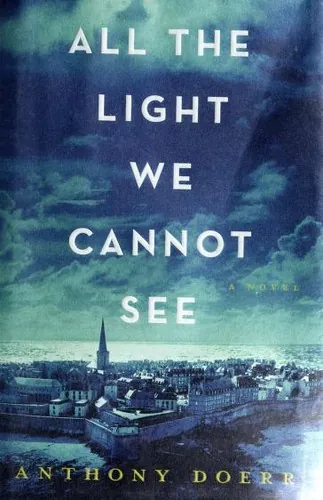
All the Light We Cannot See by Anthony Doerr (2014) is the essential companion about the occupied France: Marie-Laure, a blind French girl, and Werner, a German radio operator, whose paths converge in Saint-Malo. It shares Hannah’s occupied France and its beauty.
Code Name Verity by Elizabeth Wein (2012) is the essential companion about the friendship: a young woman spy captured by the Gestapo, writing her confession, and the pilot who was her friend. It shares Hannah’s women and its resistance.
For the fuller shelves, our thoughtful guide to historical fiction maps the era through story, and our thoughtful guide to civilizations and culture extends the reading into how the war’s worlds were built.
A Reading Plan for Book Clubs
The Nightingale generates conversation on every level: the sisters, the resistance, the question of what the war’s untold story actually is. The most fertile questions are the ones the novel refuses to settle: Which sister is braver - the one who endures or the one who fights? What does the novel ask the reader to do about the women the histories left out - and is telling their story enough?
The book also generates the hardest kind of discussion: the question of what heroism actually requires, and whether the endurance is as brave as the battle. Clubs should expect the conversation to be emotional rather than comfortable - the novel rewards exactly the kind of feeling it dramatizes.
A Note on the Book’s Structure and Editions
The Nightingale is structured around the two sisters’ two registers of resistance, with the frame of an older woman remembering. Readers should know that the novel’s two halves are different in kind: the early chapters build the world of the occupation in domestic detail, and the later chapters bring the war crashing into it. The frame - the older woman whose story is not what the reader assumes - is the novel’s moral architecture, and the second reading is where the book becomes a companion rather than an account.
What Hannah’s Books Teach Together
Read together, The Nightingale, The Four Winds and The Women form a conversation about the untold stories of the century: the occupation, the migration, the war in Vietnam. All three are built on the same conviction - that the women’s story is the untold one, and that telling it is the point - and each one widens the claim: the war’s women, the land’s women, the nurses’ women. That is why the books belong together on the same shelf, and why readers who finish one should not stop there.
How to Read Hannah as a Beginner
Hannah’s novels are emotionally direct, and the practical advice for the first-time reader is simple. Start with The Nightingale and know before you begin that the novel’s power is cumulative: the early chapters build the sisters’ world - the village, the occupation’s first constraints, the small choices that will become the large ones - and the emotional payoff comes from watching those small choices compound. Keep the two sisters straight from the start: Vianne’s endurance and Isabelle’s fight are the novel’s two registers, and the reader who tracks both from the beginning will feel the counterpoint the novel is built on. And be ready for the ending - the frame of the older woman is the novel’s moral architecture, and its revelation reframes everything the reader has seen. For the reader who wants Hannah’s method in a different century, The Four Winds is the natural companion: the same emotional directness, the same conviction that the untold story is the woman’s story, with the war replaced by the Dust Bowl.
Why the Women Are the Untold Story
The Nightingale’s deepest claim is that the women were the war’s untold story - that the endurance of the ones who stayed and the quiet fight of the ones who resisted were the war’s true history, left out of the official accounts and recovered only by the novels that made them visible. This is why Hannah’s heroes are the sisters, the mothers and the nurses rather than the generals: the war is carried, more truly than in any battle report, in the households and the hiding places. The claim has a political weight as well as an emotional one: Hannah’s conviction is that the histories that excluded the women were not merely incomplete but wrong, and that the recovery of the women’s war is part of the recovery of the war’s truth. Readers who come to Hannah from the wave of women-centered war fiction she helped create will recognize the method, and readers who come fresh will find in the sisters the clearest door into the war’s untold history.
Conclusion: The Song That Keeps Giving
Kristin Hannah’s contribution to historical fiction is a single achievement, and it has entered the language of readers everywhere: the women were the war’s untold story. She wrote it into the converging lives of two sisters in occupied France, and it has outlasted every war novel with a larger body count. Her history is the women’s history; her heroines are the ones who endured and the ones who fought; her craft is the heart that makes the history personal. Read her, and let Vianne and Isabelle show you what the song is really made of. For more reading paths, explore the Worlds section of our site.