Best Books About Biographies by Walter Isaacson

Introduction: The Lives of the Innovators
Walter Isaacson is the preeminent biographer of the modern age - the journalist, historian and former CEO of the Aspen Institute whose books on the great innovators have sold millions of copies. His essential biography is Steve Jobs (2011), the portrait of the Apple co-founder built on more than forty interviews. This guide maps Isaacson’s biographies, the themes that make his writing cohere, and the companions for when you want more.
The Isaacson Books in Reading Order
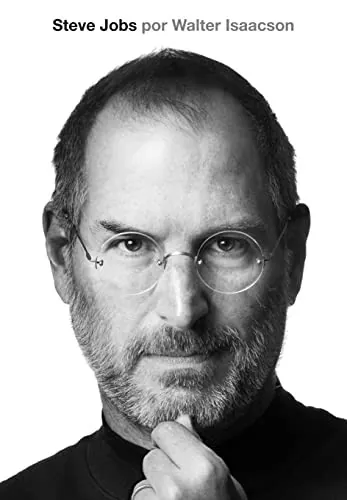
Steve Jobs (2011) is the essential Isaacson, and the book that set the modern standard for the biography of the innovator. It is the authorized biography of the Apple co-founder, built on more than forty interviews with Jobs himself and hundreds with his family, colleagues and rivals - from the garage of the early Apple to the iPhone. Isaacson tells the story whole: the brilliance and the cruelty, the vision and the tantrums, the failures and the products. It is the key to everything else he has written.
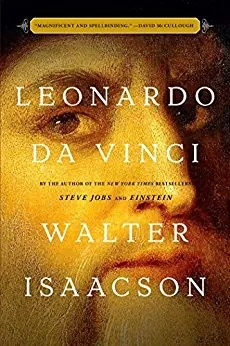
Leonardo da Vinci (2017) is the essential companion about the universal genius: Isaacson’s biography of the painter, inventor and anatomist, built on Leonardo’s notebooks. It shares the method, with the intersection of art and science at the center.
Benjamin Franklin: An American Life (2003) is the essential companion about the founder: Isaacson’s biography of the printer, scientist and diplomat. It shares the innovator’s life, with the eighteenth century at the center.
Einstein: His Life and Universe (2007) is the essential companion about the physicist: the biography of Albert Einstein built on his letters and papers. It shares the method, with the theory of relativity at the center.
The Code Breaker (2021) is the essential companion about the present: Isaacson’s biography of Jennifer Doudna and the story of CRISPR gene editing. It shares the innovator’s life, with the double helix at the center.
Content Notes for Each Book
Steve Jobs deals with ambition, illness, family estrangement and the difficult personality of its subject - treated with Isaacson’s even-handedness rather than sensationalism. It is best for readers from around age sixteen upward.
Leonardo da Vinci deals with the intellectual life of the Renaissance; it is suitable for interested readers from around age fifteen upward.
Einstein deals with the personal and political life of the physicist; it is best for readers from around age sixteen upward.
The Code Breaker deals with scientific rivalry and the ethics of gene editing; it is best for readers from around age sixteen upward.
The Biography Themes in Isaacson’s Work
Three themes give Isaacson’s biographies their distinctive shape.
The intersection as the genius is his central claim. Isaacson’s subjects are the connectors - Leonardo uniting art and science, Franklin uniting the practical and the philosophical, Jobs uniting the humanities and technology - and his conviction is that the great innovations come from the intersections. The books agree that the boundary is the birthplace.
The whole life as the subject is the second theme. Isaacson refuses the hagiography: his subjects are shown with their flaws, their failures and their cruelties, and his conviction is that the genius cannot be understood without the full human being. The books agree that the flaws are part of the story.
The curiosity as the engine is the third theme. Every Isaacson subject is driven by an unappeasable curiosity, and his conviction is that the curiosity - more than the talent - is what made them great. The books agree that the asking is the doing.
Why Isaacson’s Biographies Endure
Steve Jobs became one of the best-selling biographies of the decade and remains the standard life of its subject, and its endurance rests on a simple achievement: Isaacson captured the whole man - the genius and the monster - in a book that reads like a novel but rests on hundreds of interviews. The book became the shared reference point for the biography of the innovator.
His influence extends beyond the individual books: the sequence of lives - Franklin, Einstein, Leonardo, Jobs, Doudna - forms a single argument about creativity, that it comes from the intersection of disciplines and the refusal to stop asking. But the books endure because of their conviction: that the great life is the best way to understand the great idea.
Companion Books for Every Isaacson Reader
When you have finished Isaacson’s own books, these titles extend the same territory.
The Innovators by Walter Isaacson (2014) is the essential companion within his own work: the group biography of the people who created the computer and the internet. It shares the method, with the collaboration at the center.
Genius: The Life and Science of Richard Feynman by James Gleick (1992) is the essential companion about the physicist: the biography of the Nobel laureate and legendary teacher. It shares Isaacson’s curiosity, with the physics at the center.
The Code Book by Simon Singh (1999) is the essential companion about the codes: the history of cryptography from ancient times to the present. It shares the Code Breaker’s subject, with the history at the center.
For the fuller shelves, our best biography books list gathers the essential titles, and our best world literature list extends the shelf into the lives told in fiction.
A Reading Plan for Book Clubs
Steve Jobs generates conversation on every level: the man, the products, the question of what genius costs. The most fertile questions are the ones the book refuses to settle: Was Jobs’s cruelty necessary to his vision? What does the book ask the reader to make of the intersection of the humanities and technology? Can a difficult person be a great leader?
The book also generates the hardest kind of discussion: the question of whether the ends justify the means in the life of creation - and what we owe the people around the geniuses we admire. Clubs should expect the conversation to range from the garage to the iPhone, which is exactly the range Isaacson intended.
A Note on the Book’s Structure and Editions
Steve Jobs is a long book, and readers should know that it is structured as a chronological narrative built on the interviews - Isaacson’s method is to let the voices carry the story, with Jobs’s own words and the words of his colleagues woven throughout. The book is best read in generous sittings, and it rewards the patient reader with the closest view of the innovator’s life in print.
How Isaacson Chooses His Subjects
Isaacson’s sequence of subjects is not accidental, and readers who notice the pattern will get more from the books. He is drawn to the connector - the figure who stands at the intersection of disciplines and who changes the world by joining what was separate. Franklin joined the practical and the philosophical; Leonardo joined art and science; Einstein joined the physical and the philosophical; Jobs joined the humanities and technology; Doudna joined biology and chemistry. Isaacson has said that he looks for the person whose life illuminates how creativity actually works, and his conviction is that the intersection - not the single discipline - is where the great innovations are born. The reader who reads the biographies in sequence will watch the same argument recur in five different lives, which is the argument of the whole shelf.
Why the Flaws Matter in Isaacson’s Biographies
One of the most distinctive things about Isaacson’s method is his refusal to flatten his subjects into heroes. Steve Jobs is shown in all his difficulty - the tantrums, the cruelty, the tears - and the same even-handedness runs through the other biographies: Franklin’s vanity, Einstein’s domestic failures, Leonardo’s endless unfinished projects. This is not gossip; it is Isaacson’s argument that the genius cannot be understood apart from the whole human being, and that the flaws are not the exception to the greatness but part of its price. Readers who are used to hagiography will find the honesty bracing, and the biographies are the better for it: the flaws make the achievements human, and the humanity makes the achievements possible to aspire to.
What Isaacson’s Books Teach Together
Read together, Steve Jobs and Leonardo da Vinci form a conversation about creativity: the modern biography shows the innovator who united the humanities and technology, and the Renaissance biography shows the original of the type - the man who united art and science five centuries earlier. Both are built on the same conviction - that the great innovations come from the intersection of disciplines - and each one widens the claim: the present and the past. That is why the books belong together on the same shelf, and why readers who finish one should not stop there.
Where to Begin and What to Read Next
For readers new to Isaacson, Steve Jobs is the essential starting point - it is the book that set the modern standard for the biography of the innovator, and it shows every element of his method at its best. Readers who want the original of the type should follow it with Leonardo da Vinci; readers who want the founders should move to Benjamin Franklin; readers who want the physics should read Einstein; and readers who want the present should finish with The Code Breaker. And because Isaacson is best read beside the other great biographers, the natural next shelf pairs him with the depth of Caro, the leadership of Goodwin and the storytelling of McCullough - the innovators, the power, the presidents and the founders, together showing the full range of the biographical art.
Conclusion: The Lives That Changed Everything
Walter Isaacson’s contribution to the literature of biography is a single achievement, and it has entered the language of readers everywhere: the innovator’s life as the key to the idea. He wrote it into the notebooks of Leonardo and the garage of Jobs, and it has outlasted every attempt to reduce the great lives to a list of dates. His subjects are the connectors; his method is the whole life; his craft is the access and the even-handedness. Read him, and let the innovators show you what the intersection was really made of. For more reading paths, explore the Worlds section of our site, or continue with our guide to historical accuracy.