Books Like The Giver

Lois Lowry’s The Giver is the quiet masterpiece of young adult dystopia - a book so influential that nearly everything in the genre that came after it is walking in its footsteps. Jonas lives in a community that has eliminated pain, conflict, and choice: a world of sameness, where everyone’s life is planned, where there is no war, no hunger, no fear - and no color, no music, no love.
When Jonas is chosen to receive the memories of the world that came before - the world of color and snow and sunshine, of war and death and grandparents - he begins to see what his community has given up. And he must decide what to do about it. It is a short book, and it has never stopped changing readers. If you have finished it and want more, here is where to go next.
If You Loved the Utopia That Is a Lie: Perfect Worlds With Hidden Prices
The genius of the Giver is its premise: a world that has solved every problem by eliminating everything that makes life worth living. These books are about utopias of the same kind.
The Hunger Games (Suzanne Collins)
The essential companion: Katniss Everdeen lives in Panem, a country of glittering wealth and grinding poverty, and the book is about the Games - a televised fight to the death - and her defiance of them. It shares the Giver’s conviction that the society’s order is built on a terrible price, and it takes the rebellion the Giver only begins.
Divergent (Veronica Roth)
A future Chicago divided into five factions - Abnegation, Amity, Candor, Dauntless, Erudite - each devoted to a single virtue. Tris is Divergent, a person who fits no faction, and her story is about the discovery that the system is not what it seems. It shares the Giver’s structure: a rigid society, a young protagonist, a truth that threatens everything.
The Maze Runner (James Dashner)
Thomas wakes up in the Glade, a community of boys trapped in a maze - and the book is about the slow revelation of why they are there. It shares the Giver’s sense of a system that controls its people, with a heavier dose of action and mystery.
If You Loved the Chosen Child: The One Who Receives the Truth
The Giver’s structure - a child chosen to receive something the community has hidden - has shaped the genre. These books are about chosen children of the same kind.
The Giver, and the Weight of the Memories
The book’s deepest subject is memory: the community has chosen to forget - to eliminate the memories of pain and war, and with them the memories of joy and love - and Jonas is the one who must carry them. The book is an argument about what memory is for: that we cannot have the color without the pain, that the price of safety is the loss of everything that makes life worth living, and that the person who remembers is the only one who can choose. The scene where Jonas experiences snow for the first time - through the memory, through the Giver - is one of the most beautiful in young adult fiction, and it is the book in miniature: the joy of the world returned, and the cost of it.
The Hunger Games (Suzanne Collins)
Katniss is chosen in a different sense - she volunteers - but she is the one who receives the truth of what the Capitol is, and her story is about what she does with it. Both books are about the child who sees what the community hides.
The Golden Compass (Philip Pullman)
Lyra is chosen in a different way again - a prophecy, a destiny, a girl who will change the world - and the book is about her journey into a truth that the authorities have hidden. It shares the Giver’s conviction that the child who sees is the child who must act.
If You Loved the Coming-of-Age: The Child Who Grows Up
The Giver is a coming-of-age story in the truest sense: Jonas’s ceremony of Twelve, his assignment, his education - the slow, painful process of becoming an adult, which in his community means becoming a person who sees. These books are about the same journey.
The Giver, and the Ceremony of Twelve
The book’s structure is built on the rituals of Jonas’s community: the ceremonies of the Ones, the Nines, the Twelves - the moments when children become something new. Jonas’s Ceremony of Twelve, when he is given his assignment, is the hinge of the book: the moment his life changes forever, the moment he is singled out. The book is about what it means to be chosen - not for glory, but for burden - and about the courage it takes to accept the choosing.
The Hunger Games (Suzanne Collins)
Katniss’s story is a coming-of-age in the most brutal sense: she enters the Games a child and leaves them something else. Both books are about the child who is forced to grow up, and the cost of the growing.
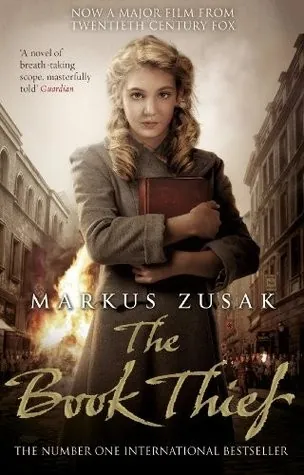
The Book Thief (Markus Zusak)
Liesel Meminger grows up under the Nazis, and the book follows her from childhood to young womanhood - the stealing of books, the hiding of a Jew, the war that takes everything. It shares the Giver’s seriousness about childhood, and its conviction that children are capable of understanding more than adults give them credit for.
If You Loved the Dystopia: Worlds That Control Their People
The Giver is the ancestor of the modern YA dystopia - the book that taught the genre that utopia is a lie. These books are its descendants.
Unwind (Neal Shusterman)
In a future America, parents can “unwind” their teenage children - a process that harvests their organs for transplant. Shusterman’s book shares the Giver’s satirical edge and its willingness to follow a horrifying premise to its logical end.
The Handmaid’s Tale (Margaret Atwood)
The essential adult ancestor: Offred lives in Gilead, a theocratic regime that has stripped women of their rights. It is darker and more literary than the Giver, but it shares the conviction that dystopia is not fantasy: it is our world, pushed a little further.
Fahrenheit 451 (Ray Bradbury)
Guy Montag is a fireman who burns books - until he begins to question his work. Bradbury’s novel shares the Giver’s argument about memory and the past: that a society that burns its books has chosen to forget, and that the person who remembers is the only one who can choose differently.
If You Loved the Philosophical Novel: Books That Make You Think
The Giver is a book of ideas - it asks questions about memory, choice, pain, and love, and it trusts its readers to think about the answers. These books share that seriousness.
The Giver, and the Questions It Asks
The book is built on questions rather than answers: Is a life without pain worth living? Is safety worth the loss of love? What do we owe the past, and what does the past owe us? The Giver does not lecture; it shows - the colorless world, the memory of snow, the old man’s grief - and it trusts the reader to draw the conclusions. That trust is the book’s great gift, and it is why the book has been banned and beloved in equal measure: it treats young readers as thinkers.
A Wrinkle in Time (Madeleine L’Engle)
Meg Murry’s journey through space and time to rescue her father is a book of ideas in the same way: physics, theology, love, and the nature of evil, all woven into a story. It shares the Giver’s seriousness and its trust in its readers.
Tuck Everlasting (Natalie Babbitt)
A girl discovers a family that has drunk from a spring and will never die - and the book is about the question of whether eternal life is a gift or a curse. It shares the Giver’s philosophical register: a story that asks a big question and trusts the reader to think about it.
If You Loved the Quiet Tone: Gentle Books With Serious Hearts
The Giver is a quiet book - no battles, no explosions - and its power comes from its stillness. These books share its register.
The Giver Quartet (Lois Lowry)
The great news for readers of the Giver is that the story continues: Gathering Blue, Messenger, and Son return to the same world, telling the stories of other communities and other chosen children. The quartet, taken as a whole, is one of the great achievements of young adult fiction, and it deepens the questions the first book raises. Readers who loved the Giver owe it to themselves to finish the journey.
Charlotte’s Web (E. B. White)
A quiet book about a spider, a pig, and the friendship that saves a life - and about the fact that all things end. It shares the Giver’s gentleness and its seriousness about the big questions, and its final line - about what it means to have been loved - is one of the great endings in literature.
The Little Prince (Antoine de Saint-Exupéry)
A pilot stranded in the desert meets a prince from a tiny asteroid, and the book is about what the prince has learned about love, loss, and what is essential. It shares the Giver’s quiet register and its conviction that the most important things are invisible.
If You Loved the Escape: The Journey Beyond the Walls
The ending of the Giver - Jonas’s escape with the baby Gabriel, sledding toward something unknown - is one of the most debated endings in young adult fiction. These books are about escapes of the same kind.
The Giver, and the Ending That Is Not an Ending
The book’s ending has divided readers for decades: does Jonas and Gabriel’s journey end in rescue, in death, in a new world? Lowry has refused to say, and the refusal is the point: the book is not about the destination but about the choosing - about the decision to leave the safety of sameness for the uncertainty of the real world. The ending is an act of faith: the reader must decide what happens, and that decision is the book’s final question.
The Hunger Games (Suzanne Collins)
Katniss’s journey is an escape of a different kind - from the arena, from the Capitol’s control - and her story is about what comes after the escape. The two books make a powerful pair: the escape as a beginning, and the escape as a question.
Holes (Louis Sachar)
Stanley Yelnats is sent to a juvenile detention camp where the boys dig holes - and the book is about the discovery of what the digging is really for. It shares the Giver’s structure: a child in a system, a hidden truth, a journey out. It is funnier than the Giver, but it is just as serious underneath.
Building Your Own Community: A Reading Order
Here is a suggested path that moves from the closest match outward:
- Start with Gathering Blue for the next book in the quartet.
- Move to The Hunger Games for the dystopia with teeth.
- Try A Wrinkle in Time for the philosophical adventure.
- Pick up Fahrenheit 451 for the book-about-books dystopia.
- End with The Little Prince when you want the quiet version.
For more books with this kind of depth, our thoughtful guide to closed-door romance helps you find love stories that are romantic without being explicit, and our best clean historical fiction list gathers substantial, wholesome reads. The stories section of our site is full of guides like this one, so there is always another book to carry with you.
The Memory That Cannot Be Forgotten
The Giver endures because it is a book about the most important thing there is: memory. The community of the book has chosen to forget - to trade the color and the pain of the real world for the safety of sameness - and Jonas is the one who remembers, who carries the snow and the sunshine and the war, who sees what his world has given up. The book’s triumph is the way it makes that carrying feel universal: every reader who has ever wondered what the past was for, ever questioned the world they were given, ever chosen to see recognizes Jonas. The books on this list are memories like that - worlds that hide their prices, children who see, escapes into the unknown. Read them, and you will never see your own world the same way again.
Frequently Asked Questions
What makes a book similar to The Giver?
Which book is closest to The Giver?
Are there other books like The Giver for younger readers?
What should I read after The Giver?
Is The Giver suitable for all readers?
Where can I find more clean reads like this?
Featured Recommendations

Raining Book Editorial
The Raining Book editorial team curates the best book recommendations and reading guides for every type of reader.