Books Like Code Name Verity
Some books are stories. Code Name Verity is a confession. A young woman - a spy captured by the Gestapo, accused of being a pilot who was shot down, forced to write out everything she knows - begins her confession with a list of the things she is good at: “I am a coward. I wanted to be heroic and I pretended I was.” What follows is the most audacious structure in modern young adult fiction: a confession that becomes a friendship, a friendship that becomes a mystery, and a mystery that becomes an act of courage so complete that the ending rewrites everything you thought you understood.
Elizabeth Wein’s novel is set in the Second World War, in occupied France, and it is about many things - espionage, survival, the mechanics of flight - but at its heart it is about two young women and the lengths they will go to for each other. If you have finished it - and probably wept - here is where to go next.
If You Loved the Unreliable Narrator: The Confession That Lies to Tell the Truth
The genius of Code Name Verity is its narrator: the “queenie” writing her confession is telling you everything and nothing, and the book’s second half is the revelation of what she was actually doing. These books play the same games with trust.
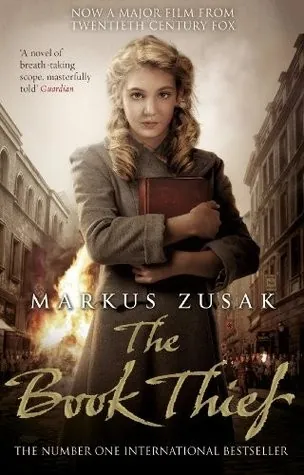
The Book Thief (Markus Zusak)
Narrated by Death himself, The Book Thief follows Liesel Meminger through Nazi Germany, where she steals books and shares them with her neighbors. The narrator is the book’s great invention - weary, curious, unexpectedly humane - and the book shares Code Name Verity’s deep subject: words as survival, storytelling as resistance, and the way a narrator’s angle on events can be the whole point.
The two books make an extraordinary pair: one told by Death, one told by a captured spy; both set in the worst of times; both about young women whose survival depends on what they say and what they hide.
The Curious Incident of the Dog in the Night-Time (Mark Haddon)
Christopher Boone narrates with a precision that makes the ordinary world strange, and his investigation of his neighbor’s dog’s death becomes the far larger mystery of his own family. Like Verity’s narrator, Christopher is telling you everything - and the book’s power comes from what the telling itself reveals. He cannot lie, and that is exactly what makes the story so devastating.
The Appeal (Janice Hallett)
A murder mystery told entirely through emails, texts, and messages among the members of a small-town amateur theater group. The reader is handed the whole file and invited to solve the case - and the medium itself is the mystery, full of the small deceptions and polite evasions that make up ordinary correspondence. Like Code Name Verity, it is a book that asks you to read between the lines, and that rewards the reading enormously.
If You Loved the Friendship: Bonds Tested by the Worst of Times
At its heart, Code Name Verity is a love story - not romantic, but deeper: the friendship between Maddie, the pilot, and Queenie, the spy. The book’s most famous line is its declaration of that love, and the ending exists to prove it. These books are about friendships of the same intensity.
The Alice Network (Kate Quinn)
Two timelines, two women, one spy network: Charlie, an American college girl in 1947, and Eve, a former spy whose work for the real-life Alice Network in occupied France changed her forever. It shares Code Name Verity’s territory - women at war, the cost of courage - and its conviction that the bonds between women are as strong as any in fiction.
The Guernsey Literary and Potato Peel Pie Society (Mary Ann Shaffer and Annie Barrows)
A novel told entirely in letters, set in the aftermath of the war on the island of Guernsey: a writer begins corresponding with the members of a book club that was invented in 1941 as an excuse to break curfew. The friendships in the book - built through letters, tested by occupation - share Code Name Verity’s understanding that words are how people hold on to each other, and that a community bound by reading can survive almost anything.
Atonement (Ian McEwan)
The darkest book on this list: a lie told by a child destroys two lives, and the novel spends decades - and one of the most controversial endings in modern fiction - trying to make it right. The friendship at the book’s heart is not between two women but between a boy and a girl, and the war that swallows them is the same war Verity’s characters fight. It shares Code Name Verity’s understanding of what war takes, and its insistence that stories are how we try to repair the damage.
If You Loved the Spy Story: Women Who Fought in the Shadows
Queenie’s work - the codes, the danger, the capture - is the novel’s engine, and the book is one of the great spy stories ever written for young readers. These books are about the women who spied.
The Alice Network (Kate Quinn)
Eve Gardiner’s story is the closest match on this list: a young woman recruited into a real spy ring in occupied France, paying for her courage with her life’s peace. Quinn’s novel is more sprawling than Wein’s - two full timelines, a bigger cast - but the emotional territory is the same, and Eve is Queenie’s spiritual sister.
A Woman of No Importance (Sonia Purnell)
The true story that reads like the most thrilling fiction: Virginia Hall, an American woman with a prosthetic leg, who became one of the most wanted spies in occupied France - the Gestapo’s most dangerous Allied agent, and the woman they could never catch. It is the real-world counterpart to Queenie’s story, and it is a reminder that Wein’s novel is rooted in the actual courage of actual women.
The Nightingale (Kristin Hannah)
Isabelle, the younger sister in Hannah’s epic, joins the resistance and fights - and her story, like Queenie’s, is about a young woman who refuses the role the world assigned her. Hannah’s novel is bigger and more sweeping, but the spirit is the same.
If You Loved the Aviation: The Romance of Flight
Maddie is a pilot - one of the women who flew for Britain during the war - and the book’s love of flight is one of its quiet pleasures. These books share the sky.
Code Name Verity, and the Women Who Flew
The book is dedicated, in spirit, to the real women of the Air Transport Auxiliary - the civilian pilots who ferried aircraft for Britain during the war, including the women who flew without the protections of the military. Maddie’s story is rooted in their story, and the novel’s affection for the mechanics of flight - the takeoffs, the landings, the weather, the fear - is one of the ways it makes the past feel real. If the flying passages were your favorite part of the book, the history of the ATA is a rabbit hole worth falling into, and it will make a re-read of the novel even richer.
Night Flight (Antoine de Saint-Exupéry)
Saint-Exupéry - the author of The Little Prince - was himself a pioneer aviator, and Night Flight is his novel about the early days of airmail, when pilots flew through weather that should have grounded them, and the men on the ground decided who would fly and who would die. It is short, intense, and filled with the love of flight that animates Maddie’s story.
If You Loved the Devastating Ending: Books That Earn Their Grief
Let us be honest about what Code Name Verity does: it destroys you. And the ending works because it was earned - every word of the confession has been building toward it. These books share that commitment.
The Book Thief (Markus Zusak)
The book that ends with Death himself telling you what you already know is coming - and breaking your heart anyway. Zusak’s novel is the master of the devastating ending, and it shares Wein’s understanding that the truest war stories are the ones that make you feel the loss personally.
The Boy in the Striped Pajamas (John Boyne)
Bruno is nine years old when his family moves to a place he does not understand, and he befriends a boy on the other side of a fence. The book is narrated with a child’s innocent incomprehension, and the ending - which you can see coming and cannot stop - is one of the most devastating in modern fiction.
Salt to the Sea (Ruta Sepetys)
Four young people, four secrets, one doomed ship: the Wilhelm Gustloff, the worst maritime disaster in history, sinking in the Baltic in 1945 with thousands of refugees aboard. Sepetys’s novel is told in alternating voices, and it is a devastating account of the war’s forgotten victims.
If You Loved the Young Women at War: Girls Forced to Grow Up Too Fast
Queenie and Maddie are young women - teenagers, really - thrown into a war that demands everything from them. These books are about girls in the same position.
The Book Thief (Markus Zusak)
Liesel is a child when the war takes everything from her, and the book follows her growing up under the Reich, stealing books and sharing them with her neighbors. It is the essential companion to Code Name Verity: the same war, the same young women, the same insistence that their stories matter.
The Diary of a Young Girl (Anne Frank)
The most famous young woman of the war, and the truest story of all: Anne’s diary, written in hiding, is the real-world counterpart to every fictional girl in this list. It is not a novel, but it is the book that Code Name Verity’s characters would have risked everything to protect - the record of a girl who refused to stop believing in people.
Between Shades of Gray (Ruta Sepetys)
Lina is fifteen when Soviet officers deport her family from Lithuania to a Siberian work camp, and the novel follows her fight to survive - and to keep drawing, keep recording, keep witnessing. It shares Code Name Verity’s focus on a young woman whose courage is expressed through her art, and its understanding that the war’s true history is the history of its ordinary victims.
Building Your Own Confession: A Reading Order
Here is a suggested path that moves from the closest match outward:
- Start with The Book Thief for the other great war novel narrated from an unexpected angle.
- Move to The Alice Network for the same spy territory in a bigger canvas.
- Try A Woman of No Importance for the true story behind the fiction.
- Pick up Salt to the Sea for the devastating ensemble story.
- End with The Diary of a Young Girl when you are ready for the truest story of all.
For more books that carry weight without graphic content, our books without explicit content themes and values guide explains what makes these stories work, and our family-friendly books without profanity list gathers more substantial reads for every age. The stories section of our site is full of guides like this one, so there is always another book to love.
The Confession That Keeps Being Told
Code Name Verity endures because it is a book about what words can do - the words a captured spy writes to save a friend, the words a pilot says to a dying woman, the words that carry a friendship through the worst of times and out the other side. Its structure is audacious, its ending is devastating, and its subject is the oldest one there is: what people will do for each other. The books on this list are all confessions of a kind - stories told at great cost, by narrators who had to be brave to tell them. Read them, and you will understand why the telling matters.
Frequently Asked Questions
What makes a book similar to Code Name Verity?
Which book is closest to Code Name Verity?
Are there other books like Code Name Verity for younger readers?
What should I read after Code Name Verity?
Is Code Name Verity suitable for all readers?
Where can I find more clean reads like this?
Featured Recommendations

Raining Book Editorial
The Raining Book editorial team curates the best book recommendations and reading guides for every type of reader.