Meaningful Friendship and Loyalty for Adults

There is a moment in adulthood when friendship becomes quietly difficult. The school years that once supplied friends are gone; the jobs, families and moves that structure adult life also fragment it. The research on this is stark: adult friendships are the relationships most likely to be neglected, and the neglect is rarely dramatic - it is the call not made, the check-in postponed, the turn toward skipped until the bond has quietly dissolved. The meaningful friendship and loyalty books for adults take this difficulty seriously. They do not celebrate friendship; they examine what it requires from people with jobs, families and limited energy. This guide gathers the best of them - the novels, memoirs and research that show what adult friendship actually costs and what it returns.
Why Adult Friendship Deserves Its Own Shelf
The books about friendship written for children and young adults tell a story of proximity and play - friends found in classrooms and neighborhoods, bonds formed by shared adventure. Adult friendship is a different creature. It must be built without the structure that childhood provides, maintained against the pull of work and family, and tested by the real costs of adult life: distance, illness, conflict, the slow drift of competing priorities.
This is why adult friendship deserves its own shelf. The mechanism is the same as childhood friendship - repeated interaction, gradual vulnerability, habitual responsiveness - but the conditions are harder. The books below are honest about the difficulty, which is exactly what makes them useful.
The Novels That Take Adult Friendship Seriously
Adult friendship is the quiet subject of some of the best novels of the last century. These books do not announce the theme; they show the bond being built, strained and kept across the ordinary and extraordinary tests of adult life.
The Secret History by Donna Tartt
Tartt’s novel is a study in the most dangerous form of friendship: the closed circle that becomes a world of its own. A group of classics students at a small Vermont college bind themselves together through shared secrecy, and the friendship curdles into something far darker. The novel is not a celebration of friendship but an autopsy of its failure modes - the loyalty that becomes complicity, the intimacy that becomes entrapment. For adult readers, it is a bracing reminder that the qualities that make friendship powerful - trust, secrecy, exclusivity - are also the qualities that can make it destructive.
Content notes: The novel deals with violence and psychological manipulation; it is for mature readers.
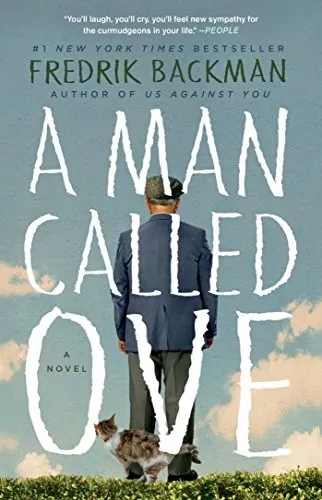
A Man Called Ove by Fredrik Backman
Backman’s novel is the gentlest book on this shelf and one of the truest. Ove is a bitter, grieving widower whose life has narrowed to rules and routines - until his new neighbors begin, against his will, to draw him into their lives. The novel is about the late-in-life friendship that arrives uninvited: the friendship that does not choose you, that you resist, and that saves you anyway. It is a perfect demonstration of the adult friendship finding that proximity creates the occasion - the neighbors keep turning up, and the turning up is the relationship.
The Interestings by Meg Wolitzer
Wolitzer’s novel follows a group of friends who meet as teenagers at a summer arts camp and carry their friendship into middle age. It is the great novel of adult friendship’s central problem: what happens when friends diverge - when one becomes successful and another does not, when marriages and children and careers pull the group apart, when the envy and comparison that friendship hides finally surface. The novel is honest that adult friendship requires the willingness to keep choosing each other across the differences that adulthood creates. It is long, and it earns every page.
The Memoirs That Show Friendship as It Was Lived
Memoir brings the evidence of friendship actually lived, with all its endurance and its mess.
The Liars’ Club by Mary Karr
Karr’s memoir of growing up in a Texas oil town is a book about family on its surface and friendship underneath - the friendships of girls and women that carry the narrator through a chaotic childhood. It is a reminder that adult friendship often begins as the survival alliance of childhood, and that the women who know your history are the ones who can hold you together. Karr’s prose is the great pleasure of the book: fierce, funny and precise.
The Year of Magical Thinking by Joan Didion
Didion’s memoir of the year after her husband’s sudden death is not a book about friendship, but it belongs on this shelf for one reason: it records the friendships that carry a person through catastrophe. In the weeks and months after her loss, Didion records the friends who showed up, who cooked, who sat with her, who did not need to know what to say. The book is a testament to the adult friendship finding that loyalty is proven in the crisis - and a quiet instruction manual in what to do when someone you love is in the worst moment of their life.
The Research on Adult Friendship
The science of adult friendship is one of the most practically useful bodies of relationship research, and its findings should change how readers treat their friendships.
The Friendship Recession
Sociologists and psychologists have documented what has been called a friendship recession: declining numbers of close friends, rising loneliness, and a steady erosion of the casual structures - clubs, churches, neighborhoods - that once supplied friendship. The research is clear that this is not a personal failing but a structural one, and the finding is freeing: the adult who struggles to make friends is not broken, they are swimming against a current.
The practical response is equally clear. Friendship requires structure, and adults must build it deliberately. The book club, the running group, the standing dinner, the annual trip - the structure creates the repetition, and the repetition creates the bond. The novels on this shelf show this too: Ove’s neighbors keep arriving because they have built the structure of neighborliness.
The Necessity of Maintenance
The second finding is that adult friendship dies of neglect. The mechanism is not betrayal but absence - the skipped check-in, the unreturned call, the gradual silence. Psychologists who study relationship maintenance find that the friendships that last are the ones where both people practice the small turns toward each other with habitual regularity.
The lesson for adult readers is uncomfortable but liberating: friendship is not something you have, it is something you do. The call you keep postponing is not a minor omission; it is the maintenance the relationship requires. The books on this shelf are full of this lesson. The friendships that survive in fiction and memoir are the ones that were practiced.
The Harder Questions
A meaningful shelf should be honest about the questions the friendship literature mostly avoids.
Friendship and Ambition
The Interestings confronts the question that adult friendship hides most often: what happens when friends diverge in success? The research on social comparison is clear that envy is a normal, corrosive presence in adult friendship, and the books that pretend otherwise are not preparing readers for real life. The meaningful approach is not to pretend envy does not exist but to practice the honesty that lets friendship survive it - naming the feeling, choosing the friend over the comparison.
The Loyalty That Is Tested by Adult Life
Adult loyalty is tested by adult costs: the friend who is ill, the friend who is failing, the friend who has made a choice you cannot support. The most meaningful books on this shelf show loyalty in these tests. Didion’s friends do not fix anything; they show up. The lesson is that adult loyalty is rarely heroic and usually ordinary - the presence that costs something and is given anyway.
How to Read These Books
A shelf of friendship books is only as useful as the reading, and adult readers should read with adult purpose. Three practices will get the most from these books.
First, read with one friendship in mind. Before you open the book, name the friendship you are carrying questions about - the one you are neglecting, the one that has drifted, the one you rely on. When a scene touches that friendship, mark it.
Second, read for the maintenance. The novels and memoirs are full of the small acts that keep friendship alive - the visit, the call, the turning up. Name them as you read, and ask which ones you have stopped practicing.
Third, read the research with the fiction. Let each illuminate the other: when the research describes the friendship recession, the fiction shows a character swimming against it; when the fiction shows a friendship surviving, the research explains why.
Building Your Reading Path
There is no wrong order, but there is a useful one. Start with the novels that make the stakes feelable - A Man Called Ove, The Interestings - and add the harder novel, The Secret History, when you are ready for friendship’s failure modes. Move to the memoirs for friendship as it was lived, and to the research when you want the mechanism named. For the family version of this shelf, our family-friendly friendship and loyalty guide collects the books to share, and our guide to meaningful respect and manners covers the related skill of treating people well. For the courage that friendship often requires, the guide to courage is a natural companion.
Conclusion
The meaningful friendship and loyalty books for adults take the bond seriously enough to examine its costs. They show adult friendship being built without the structures of childhood, maintained against the pull of adult life, and tested by the real costs of living. Start with one book and one friendship. Read for the small acts of turning-toward, and practice one of them for a month. The books are not the goal; the friendship you tend while reading them is.
Frequently Asked Questions
Why is adult friendship harder than childhood friendship?
What makes a friendship meaningful for adults?
What is the most common threat to adult friendship?
Can adults still make deep new friendships?
What role does loyalty play in adult friendship?
How should adults read friendship books?
Featured Recommendations


Raining Book Editorial Team
The Raining Book editorial team curates the best book recommendations and reading guides for every type of reader.