Books Like The House in the Cerulean Sea
There is a specific feeling that comes from finishing The House in the Cerulean Sea: the feeling of having been wrapped in warmth. T. J. Klune’s novel - Linus Baker, the by-the-book caseworker, the orphanage of magical children, the island that becomes a home - has been loved by readers of all ages because it celebrates the gentlest radical idea: that family is found, not born, and that kindness extended to the strange and the overlooked transforms everyone it touches. The problem after finishing it is the one every great book creates: you want more of the feeling - the warmth, the found family, the quiet magic. This guide collects the books that genuinely belong on that shelf.
What Made The House in the Cerulean Sea Special
Before the recommendations, it is worth naming what you are actually looking for, because the right next book depends on which part of the book stayed with you.
If the found family stayed with you - the children, the guardian, the caseworker who becomes part of it - then the found-family stories will fit. If the warmth stayed with you - the kindness, the humor, the feeling of being held by the book - then the cozy novels will be your natural next step. And if the quiet magic stayed with you - the children’s gifts, the gentle wonder - then the cozy fantasy stories will carry it forward. Most readers are looking for all three, and the books below cover the range.
The Found-Family Stories
Under the Whispering Door by T. J. Klune
If there is one book that the Cerulean Sea reader should pick up next, it is Under the Whispering Door. Klune’s other beloved novel follows Wallace, a man who dies and finds himself in a tea shop run by a ferryman for the dead - and the novel is the story of his slow, warm education in what matters, and of the found family that forms around him.
The two books are siblings: the same author’s warmth, the same belief in second chances, the same found family built from the unlikeliest people. For readers who loved the warmth of the Cerulean Sea, this is the essential next read.
Content notes: A warm novel dealing with death; suitable for readers from the mid-teens up.
The House in the Cerulean Sea’s Sequels and Companions
For readers who cannot bear to leave the world of the Cerulean Sea, the wider Klune universe offers more of the feeling, and the many readers who have loved the book often pair it with the author’s other works for the same warmth and humor.
Content notes: Warm novels, suitable for readers from the mid-teens up.
The Cozy Novels
The Midnight Library by Matt Haig
For readers who want the warmth with a philosophical center, The Midnight Library is the book. Nora Seed, at the moment of her death, is given the chance to try all the lives she might have lived - and the novel is her journey through the possibilities, toward the discovery of what makes a life worth living.
The book shares The House in the Cerulean Sea’s warmth and its belief in second chances, delivered as a meditation rather than a cozy fantasy. For readers who loved the warmth and want the deeper version of its lesson, this is the book.
Content notes: A warm novel dealing with depression and choice; for readers from the mid-teens up.
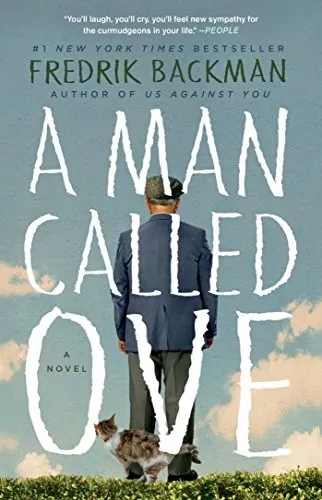
A Man Called Ove by Fredrik Backman
For readers who want the grumpy-man-transformed-by-community warmth, A Man Called Ove is the essential book. Ove, a bitter widower, is drawn against his will into the lives of his new neighbors - and the novel is the story of the found family that forms around him.
The book shares The House in the Cerulean Sea’s shape: the isolated person, the community that refuses to leave him alone, the warmth that wins. For readers who loved Linus’s transformation, Ove is the grumpier, funnier version.
Content notes: A warm novel dealing with grief; suitable for readers from the mid-teens up.
The Cozy Fantasy Stories
Howl’s Moving Castle by Diana Wynne Jones
For readers who want the quiet magic with more whimsy, Howl’s Moving Castle is the book. Sophie, cursed to age into an old woman, goes to work for the wizard Howl in his moving castle - and the novel is a delight of gentle magic, humor and the found family that forms among its strange inhabitants.
The book shares The House in the Cerulean Sea’s cozy magic and its belief in the strange becoming family. For readers who loved the children’s gifts, the moving castle is the wittier version of the same wonder.
Content notes: A clean fantasy novel, suitable for readers of all ages.
The Secret Garden by Frances Hodgson Burnett
For readers who want the found-family warmth in a classic, The Secret Garden is the book. Mary Lennox, a spoiled orphan, discovers a hidden garden that heals her and transforms a whole household - the children, the servants, the grieving father.
The book shares The House in the Cerulean Sea’s deepest theme - the household that becomes a family through care - in a classic that has healed readers for over a century. For readers who loved the children of the Cerulean Sea, the garden is the original version of the miracle.
Content notes: A gentle classic, suitable for readers of all ages.
Anne of Green Gables by L. M. Montgomery
For readers who want the found-family warmth in its warmest form, Anne of Green Gables is the book. The orphan Anne Shirley arrives at Green Gables with an overflowing imagination and transforms the Cuthbert household - the gruff Marilla, the shy Matthew, the whole town of Avonlea.
The book shares The House in the Cerulean Sea’s two great themes - the family found rather than born, and the transformation that kindness works - in a beloved classic. For readers who loved the children of the Cerulean Sea, Anne is the original foundling who changes everyone she meets.
Content notes: A gentle classic, suitable for readers of all ages.
How to Choose Your Next Read
The right next book depends on what you are ready for. If you want more Klune: Under the Whispering Door. If you want the warmth with philosophy: The Midnight Library. If you want the grumpy-man warmth: A Man Called Ove. If you want the cozy magic: Howl’s Moving Castle. If you want the classic version: The Secret Garden or Anne of Green Gables.
There is no wrong order, but there is a sensible one: start with Under the Whispering Door for the same author, then A Man Called Ove for the same shape, then the classics for the original warmth, and let the others fill in as you go.
The Kindness That Transforms
There is a reason The House in the Cerulean Sea has been loved by readers of every age, and it is worth naming because it explains what the shelf is really for. The book’s magic is not the children’s gifts; it is the kindness. Linus is transformed not by wonder but by being drawn, against his will, into caring for people the world has labeled strange - and the caring changes him. The book’s claim is radical and gentle at once: that kindness, extended to the overlooked, transforms the kind person as much as the one who receives it.
The books on this shelf are all demonstrations of the claim. Ove is transformed by the neighbors who refuse to leave him alone; Anne transforms Avonlea by refusing to see it as ordinary; the garden transforms Mary because she tends it. Each is a different proof of the same truth - that the person who cares is cared for in return - and each is useful at a different moment of a reader’s life. The reader who carries the claim into ordinary life discovers that the warmth of the book is not confined to its pages.
The Values the Shelf Carries
The House in the Cerulean Sea is, at its core, a book about values in action - the kindness that transforms, the found family that forms around care, the healthy relationships that grow when people are seen fully. It belongs on the relationships shelf alongside the guides that explore those values directly. Our guide to parents and children walks through the value the island household embodies - the care that makes a family, the adult who sees each child as fully real - and it pairs naturally with this reading, because Linus’s transformation is a demonstration of exactly what the guide describes: the attention that makes children whole.
The shelf also connects to the wider family themes, in a specific way: the book’s deepest subject is the family that is built by choice rather than blood. Our parents and children themes and reading notes explore the pattern that the Cerulean Sea shows in its purest form - the found family, the chosen bonds, the care that makes a household - and they belong with this reading because the island is a study in the family that is made, not given. Together these guides frame the fiction, and the fiction makes the guides feelable.
Conclusion
The House in the Cerulean Sea has been loved by readers of all ages because it celebrates the gentlest radical idea: that family is found, not born, and that kindness extended to the strange and the overlooked transforms everyone it touches. The books on this list are the honest responses to the question it leaves behind: what next?
The warmth of Under the Whispering Door, the philosophy of The Midnight Library, the grumpy love of A Man Called Ove, the magic of Howl’s Moving Castle, and the original warmth of The Secret Garden and Anne of Green Gables - together they carry the same truth in different voices: family is found, kindness transforms, and the warmth is the point. Read the notes, choose where you are, and let the books take their time.
Frequently Asked Questions
What should I read after The House in the Cerulean Sea?
Is Under the Whispering Door like The House in the Cerulean Sea?
What is the main theme of The House in the Cerulean Sea?
Are there books like The House in the Cerulean Sea for younger readers?
Which book is the closest in spirit to The House in the Cerulean Sea?
Are these books suitable for all readers?
Featured Recommendations

Raining Book Editorial Team
The Raining Book editorial team curates the best book recommendations and reading guides for every type of reader.