Books Like The House at the Edge of the World

There is a specific feeling that comes from finishing The House at the Edge of the World: the feeling of having stood at a cliff edge, looking out at a life. Julia Rochester’s novel - the house in Devon, the family’s secrets, the generations shaped by a place at the edge of the world - has been loved by readers because it is about the places that hold us and the secrets that shape us. The problem after finishing it is the one every great book creates: you want more of the feeling - the place, the secrets, the lives. This guide collects the books that genuinely belong on that shelf.
What Made The House at the Edge of the World Special
Before the recommendations, it is worth naming what you are actually looking for, because the right next book depends on which part of the book stayed with you.
If the place stayed with you - the house, the edge, the landscape - then the novels of place will fit. If the secrets stayed with you - the family history, the hidden truth - then the novels of family secrets will be your natural next step. And if the solitude stayed with you - the lives built at the edge - then the novels of solitude and connection will carry it forward. Most readers are looking for all three, and the books below cover the range.
The Novels of Place
The Dutch House by Ann Patchett
If there is one book that the House at the Edge of the World reader should pick up next, it is The Dutch House. The house in Patchett’s novel is a character as much as the people - the thing lost and carried, the place that shapes Danny and Maeve’s lives across decades.
The two books are siblings: the house as the center, the family’s story held in a place, the lives shaped by the carrying. For readers who loved the house of the Edge of the World, the Dutch House is the natural next house to live inside.
Content notes: A literary novel, suitable for readers from the mid-teens up.
The Shell Seekers by Rosamunde Pilcher
For readers who want the place-and-family theme in its warmest form, The Shell Seekers is the book. Penelope Keeling, an aging artist, looks back on a life shaped by the places and people she belonged to - and the novel is a long, generous celebration of the places that hold a life.
The book shares The House at the Edge of the World’s concern with place and family, delivered with warmth rather than darkness. For readers who loved the place of the Edge of the World, this is the gentler version.
Content notes: A warm novel, suitable for readers from the mid-teens up.
The Novels of Family Secrets
The Family Secrets
One of the quiet achievements of The House at the Edge of the World is its secrets - the family history carried in silence, the truth that the house holds. The novels of family secrets on this shelf share that achievement: the hidden history, the slow revelation, the truth that changes the family. For readers who loved the secrets of the Edge of the World, these are the books that carry the theme forward.
The House at the Edge of the World and the Silence
The deepest subject of the novel is the silence - the family that could not speak its history, the secrets carried to the edge of the world. The novels on this shelf are full of such silences, and each is a study in the cost of the unsaid and the release of the telling. For readers who loved the silence of the Edge of the World, the shelf is a collection of silences breaking, each one rendered with the same care.
The Novels of Solitude and Connection
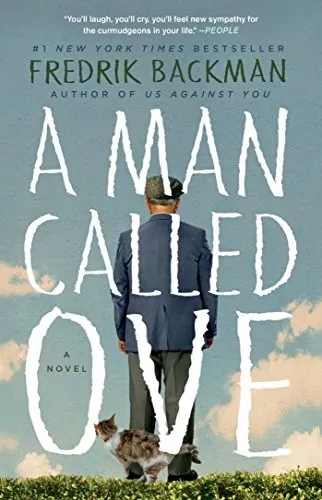
A Man Called Ove by Fredrik Backman
For readers who want the solitude theme in its warmest form, A Man Called Ove is the essential book. The grumpy, grieving widower Ove has closed himself off from the world - and the novel is the story of the neighbors who refuse to leave him alone, and the community that draws him back into living.
The book shares The House at the Edge of the World’s solitude, delivered with comedy and warmth. For readers who loved the solitude of the Edge of the World and want the warmer version, this is the book.
Content notes: A warm novel dealing with grief; for readers from the mid-teens up.
The Unlikely Pilgrimage of Harold Fry by Rachel Joyce
For readers who want the solitude-and-journey theme with the most gentleness, The Unlikely Pilgrimage of Harold Fry is the book. Harold, a retired man who has lived his life avoiding feeling, decides to walk the length of England to see a dying friend - and the walk becomes a slow reconnection with the people he left behind.
The book shares The House at the Edge of the World’s solitude and its slow opening to connection. For readers who loved the solitude of the Edge of the World, this is the gentler, longer version of the same journey.
Content notes: A warm novel dealing with grief and regret; for readers from the mid-teens up.
How to Choose Your Next Read
The right next book depends on what you are ready for. If you want the house as character: The Dutch House. If you want the place and family with warmth: The Shell Seekers. If you want the solitude with warmth: A Man Called Ove. If you want the gentle journey: The Unlikely Pilgrimage of Harold Fry.
There is no wrong order, but there is a sensible one: start with The Dutch House for the same house, then A Man Called Ove for the same solitude, then The Shell Seekers for the warmth, and let the others fill in as you go.
Reading the Shelf for the Place
It is worth saying plainly what the House at the Edge of the World shelf is really for, because the place is the thing readers carry away: these are books that take place seriously - the house, the landscape, the edge of the world. Julia Rochester’s novel treats the house in Devon as a character, a holder of the family’s history, and the books on this list make the same commitment in their own registers. They are books that believe a place can shape a life.
The believing matters because the modern world is so placeless. We move, we leave, we lose the places that made us - and the books on this shelf are the counter-voice: the insistence that place matters, that the house holds the story, that the landscape shapes the people. For the reader who loved the place of the Edge of the World, the shelf is a collection of such places - each one a reminder that the places we come from carry us, and that returning to them, in memory or in fact, is part of understanding who we are. Read them for the place, and let them help you find your own. It is also worth saying that the places the shelf honors do not have to be dramatic. Not every reader has a house at the edge of the world; most have a kitchen table, a street, a town - the ordinary places that hold their history just as surely. The books train the reader to see the significance in the ordinary place: the house that saw the arguments and the reconciliations, the street where the childhood happened, the town that shaped the family. For the reader who loved the place of the Edge of the World, the deepest lesson is that every place is an edge of the world to someone - and that the places we dismiss as ordinary are carrying our stories all along. Read them for the seeing, and let them teach you to read your own places the same way.
The Values the Shelf Carries
The House at the Edge of the World is, at its core, a book about values in action - the family that is carried despite its secrets, the healthy relationships that grow from the truth finally told, the respect for the place and the people. It belongs on the relationships shelf alongside the guides that explore those values directly. Our guide to healthy relationships walks through the value of the bonds that survive the secrets - the family that is carried and kept - and it pairs naturally with this reading, because the novel is a demonstration of exactly what the guide describes.
The shelf also connects to the deeper relationship themes, in a specific way: the book’s deepest subject is the connection that grows when the silence breaks. Our healthy relationships themes and reading notes explore the bonds that the novel shows being tested and repaired across its pages, and they belong with this reading because the story is a study in the relationships that survive the truth. Together these guides frame the fiction, and the fiction makes the guides feelable.
Conclusion
The House at the Edge of the World has been loved by readers because it is about the places that hold us and the secrets that shape us - the house in Devon, the family’s history, the generations shaped by a place at the edge of the world. The books on this list are the honest responses to the question it leaves behind: what next?
The house of The Dutch House, the warmth of The Shell Seekers, the community of A Man Called Ove, and the journey of Harold Fry - together they carry the same truth in different voices: a place can hold a family’s secrets, and the telling releases them, and the release is the point. Read the notes, choose where you are, and let the books take their time.
Frequently Asked Questions
What should I read after The House at the Edge of the World?
Is The Dutch House like The House at the Edge of the World?
What is the main theme of The House at the Edge of the World?
Are there books like The House at the Edge of the World with the same solitude?
Which book is the closest in spirit to The House at the Edge of the World?
Are these books suitable for all readers?
Featured Recommendations

Raining Book Editorial Team
The Raining Book editorial team curates the best book recommendations and reading guides for every type of reader.