Best Responsibility at Home to Read

Responsibility at home is the most practiced virtue in family life and the least celebrated. It is the dishes done without being asked, the child picked up on time, the parent who works the extra shift, the sibling who notices the load is uneven and carries more. No one writes songs about it, and almost no one reads books about it - which is strange, because it is the quality that makes family life work. The best responsibility at home books to read are the ones that take it seriously. They are the novels that show responsibility being carried, the memoirs that record it as it was lived, and the guides that teach the practical skills of running a household well. This guide gathers the best of them, with honest notes on what each one offers.
What Makes a Responsibility at Home Book Worth Reading
Before recommending anything, it helps to set the bar. A genuinely useful book about responsibility at home does three things. It is specific about behavior, showing what responsibility actually looks like rather than celebrating the idea of it. It is honest about the weight, because responsibility is a burden as well as a virtue and the books that pretend otherwise are not preparing readers for real life. And it is grounded in real households, because responsibility is always particular - the specific chores, the specific people, the specific load.
The books that fail usually fail at the first point. They celebrate responsibility in the abstract - the noble parent, the dutiful child - without ever showing a single act of it being performed. The books below pass the test. They show actual people carrying actual loads, and they are honest about what the carrying costs.
The Novels That Show Responsibility From the Inside
Fiction is the natural home of the responsibility story, because a novel has the time to show a character carrying a load across years - and to show what the carrying costs and what it earns.
Little Women by Louisa May Alcott
Alcott’s novel is the essential book on this shelf, because it shows family responsibility being practiced daily, in the small acts that make a household work. The March sisters do the chores, care for each other, and carry the family through poverty and war - and the novel is honest about both the weight and the reward. Jo’s sacrifices, Meg’s practicality, Beth’s quiet service, Amy’s growth: the book is a portrait of responsibility as a way of life, and it is the perfect starting point for the shelf.
A Tree Grows in Brooklyn by Betty Smith
Smith’s novel is the great American book about the responsibility of children in a struggling family. Francie Nolan grows up in poverty, and the novel is the record of the responsibility she carries from childhood - the errands, the care, the watching over her brother, the quiet labor that holds the family together. It is honest about the cost of the responsibility and about the strength it builds. It is the essential book for anyone who grew up carrying a family’s load.
Anna Karenina by Leo Tolstoy
Tolstoy’s novel belongs on this shelf because it shows the alternative to responsibility: the household that runs on obligation and the love that refuses it. The Oblonsky household is a study in the cost of irresponsibility - the affair, the debt, the chaos that follows - while the Levin household shows responsibility being practiced as the foundation of a good life. The comparison is the book’s argument, and it is the deepest treatment of the theme in literature.
Content notes: The novel deals with infidelity and suicide; it is for mature readers.
The Memoirs That Record Responsibility as It Was Lived
Memoir brings a different kind of evidence: responsibility as it was actually carried, in real households, by real people.
The Glass Castle by Jeannette Walls
Walls’s memoir is the essential book on the darker side of family responsibility, because it asks what children owe parents who fail them. Walls’s parents are brilliant and catastrophically irresponsible - and the memoir records the responsibility the children had to carry in their place, and the cost of the carrying. It is honest that family responsibility is not always chosen, and that the children who carry it are often the ones who save the family. It is essential reading for anyone who has ever been the responsible one.
Educated by Tara Westover
Westover’s memoir is the essential modern book about the responsibility of leaving. Raised by parents who denied her schooling, Westover takes responsibility for her own life in the hardest way - by building it herself, against the family’s wishes. The memoir is a study in the deepest form of responsibility at home: the responsibility to yourself when the family cannot or will not carry you.
The Guides That Teach the Practice
The novels show responsibility from the inside; the guides teach the practical skills.
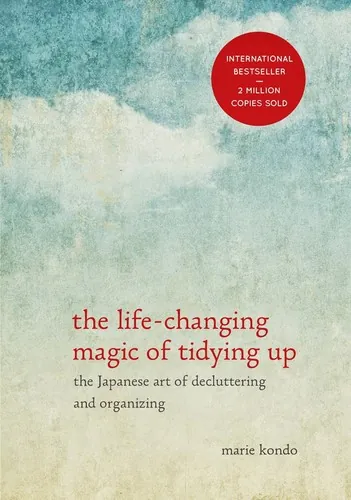
The Life-Changing Magic of Tidying Up by Marie Kondo
Kondo’s book is the most famous modern guide to household responsibility, and its core insight is more serious than its reputation suggests: the home is maintained by the daily decisions of the people who live in it, and the maintenance is a form of care for the family. The book teaches the reader to take responsibility for the household - to decide what to keep, what to release, and what kind of home to build. It is the most practical entry point on the shelf for the reader who wants to start with the house itself.
How to Keep House While Drowning by KC Davis
Davis’s book is the essential modern guide for the reader who is overwhelmed - the parent, the caregiver, the person for whom the household has become a source of shame rather than care. Its central argument is liberating: care tasks are morally neutral, and the goal is not a perfect home but a functional one that serves the people in it. It is the gentlest and most useful book on the shelf, and it belongs in every family library.
What the Research Says About Responsibility at Home
The psychology of family responsibility is less studied than the psychology of love, but the findings are clear and practical.
Responsibility Is the Machinery of Family Life
The central finding is that families run on contribution. Developmental psychologists describe how children learn responsibility through meaningful contribution to the household - the chores, the care, the being counted on - and how the contribution builds both competence and connection. The novels on this shelf dramatize the finding: the March sisters and the Nolan children are shaped by the responsibility they carry. The lesson for families is practical: contribution is not a burden to minimize but a gift to distribute.
Reliability Is Trust Made Daily
The second finding is that responsibility at home is the daily form of trust. The family member who is reliable - who does what they said, who shows up, who carries the load they agreed to carry - builds the trust that the whole family runs on. The books are honest about the cost of the reliability and about what it earns: the households that work are the ones where the reliability is mutual.
The Harder Questions
A thoughtful list should be honest about the questions the shelf mostly avoids.
The Uneven Load
The most important honesty of this shelf is that the load is usually uneven. The research on household labor is unambiguous: the work is not shared equally, and the unequal sharing is a source of quiet resentment in countless families. The books are honest about the unevenness - the Nolan children carry what their parents cannot; the March sisters carry what each other cannot. The reader who can name the unevenness in their own household has begun the work of fixing it.
When Responsibility Is Too Much
The second hard truth is that responsibility can be too much. The Glass Castle and Educated are the books of the too-much: children carrying what no child should carry. The shelf is honest that responsibility, like everything, has its limit - and that the family that asks too much of one member is not practicing responsibility but exploiting it.
How to Actually Read These Books
A reading list is only as good as the reading, and responsibility books are best read with attention to how characters carry the household. Three practices separate readers who are changed by these books from readers who merely finish them.
First, watch the small acts. Responsibility in fiction lives in the details - the chores done without being asked, the care offered without being requested. Mark them, and compare them to your own practice.
Second, read with your own home in mind. Before you open the book, name the load you are carrying and the load you are not. When the book touches it, mark it.
Third, practice one act of contribution. Choose one responsibility - the chore, the care, the reliability - and take it on deliberately this month. The novels and the research agree that this is how family life is built.
Building Your Own Reading Order
There is no required order, but a useful sequence exists. Start with the novels - Little Women, A Tree Grows in Brooklyn - because they make the weight and the reward feelable. Add the memoirs when you are ready for the harder questions. Move to the guides when you want the practical skills. For the step-by-step version of this shelf, our thoughtful guide to responsibility at home walks through the books one by one, and our guide to family values extends the conversation to the values the responsibility expresses. For readers who want the romance shelf, the closed-door romance guide is a natural companion.
A Word of Caution
Not everything that celebrates responsibility is good for your family. Be wary of books that romanticize sacrifice, that tell one person to carry the load everyone should share, or that use responsibility as a weapon of guilt. A good responsibility book respects the reader’s limits. It tells the truth about what the carrying requires, and it sends the reader back to their own household better equipped - not more burdened.
The Responsibility Shelf Across a Lifetime
There is a particular value in reading the responsibility shelf across a lifetime, because responsibility itself changes as we age. The child reads Little Women and learns the chores; the young adult reads A Tree Grows in Brooklyn and recognizes the load; the parent rereads them and sees the carrying from the other side. The shelf rewards rereading at each stage, and the rereading is part of the education: each pass reveals another layer of what it means to carry a family.
Conclusion
The best responsibility at home books to read are not the ones that make you feel the most dutiful; they are the ones that survive being tested against an ordinary week. They are the novels that show the carrying from the inside, the memoirs that record it as it was lived, and the guides that teach the practice. Start with one book. Read it for the small acts. Take on one responsibility deliberately. The books are not the goal; the household you build while reading them is.
Frequently Asked Questions
What is the best book about responsibility at home to start with?
What does research say about responsibility in families?
Can fiction teach responsibility better than guides?
What is the hardest truth about responsibility at home?
Are responsibility books suitable for all readers?
How should readers approach these books?
Featured Recommendations


Raining Book Editorial Team
The Raining Book editorial team curates the best book recommendations and reading guides for every type of reader.