Best Respect and Manners to Read
Respect is the most practiced virtue in ordinary life and the least examined. We say please and thank you, hold doors, defer in meetings - and most of us could not explain, in a sentence, what respect actually is or why it matters. The best respect and manners books to read close that gap. They show respect being practiced and violated, examine what it requires, and distinguish the genuine article from its counterfeit - the manners that signal respect and the respect that manners only gesture toward. This guide gathers the best of them, from the novels that test respect under pressure to the guides that teach it as a skill. It is a shelf for anyone who has ever wondered what it actually means to treat another person well.
What Makes a Respect and Manners Book Worth Reading
Before recommending anything, it helps to set the bar. A genuinely useful book about respect does three things. It distinguishes respect from mere manners, because the two are constantly confused and the confusion is costly. It is specific about behavior, showing what respect looks like in ordinary interactions rather than in grand gestures. And it is honest about difficulty, because respect is hardest exactly where it matters most - with people we dislike, people we have power over, and people who have wronged us.
The books that fail usually fail at the first point. They reduce respect to etiquette - the table manners, the forms of address - and leave the reader with a list of rules and no understanding of the attitude underneath. The books below pass the test. They treat respect as the attitude, manners as its expression, and the gap between them as the place where character is revealed.
The Novels That Show Respect Under Pressure
Fiction is the natural teacher of respect, because a novel has the room to show how a person treats others across a full range of situations - especially the situations where respect is hardest.
To Kill a Mockingbird by Harper Lee
Lee’s novel is the essential book on this shelf, because it shows respect being practiced through example rather than lecture. Atticus Finch treats everyone - his children, his neighbors, the woman who spits at him, the man on trial - with the same unwavering regard for their full humanity. The novel is a study in the deepest form of respect: the willingness to see another person clearly and treat them accordingly, even when doing so costs you. Its famous courtroom scene is the great demonstration of respect in American fiction, and its lesson is simple and inexhaustible: you never really understand a person until you climb into their skin and walk around in it.
Content notes: The novel deals with racism and a trial involving assault; it is best for older readers and families reading together.
Pride and Prejudice by Jane Austen
Austen’s novel is the great comedy of respect, and its comedy is the point. Elizabeth Bennet and Mr. Darcy begin by misjudging each other completely - each failing to see the other as fully real - and the novel is the slow, witty education of both. The book’s lesson is that respect begins in perception: the willingness to revise your judgment of another person when the evidence demands it. Darcy’s letter, Elizabeth’s walk through Pemberley, the two terrible proposals - each is a lesson in what respect requires and what its absence costs. No book on this shelf is more fun, and few are more instructive.
The Remains of the Day by Kazuo Ishiguro
Ishiguro’s novel is the most quietly devastating book on this shelf, because it examines what happens when respect is reduced to form. Stevens, the perfect butler, is a master of manners - and his manners are a wall he hides behind, a way of serving that lets him avoid the human connections respect is supposed to enable. The novel asks the question the manners books rarely do: is a person who is perfectly polite but emotionally absent actually respectful? Its answer is the most uncomfortable on this shelf, and the most important.
The Guides That Teach Respect as a Skill
The novels show respect from the inside; the guides teach it as a set of learnable behaviors.
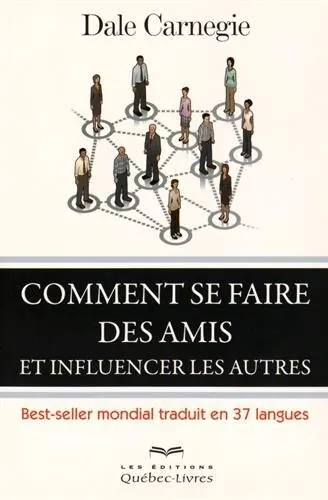
How to Win Friends and Influence People by Dale Carnegie
Carnegie’s classic is the most influential book on the practical side of respect ever written, and its lessons have aged remarkably well. Its core insight is that people are moved by being genuinely regarded - remembered, listened to, appreciated - and that the person who practices this regard wins both friends and influence. The book is often dismissed as manipulation, but read honestly it is a manual of respect: the skills of listening, remembering and acknowledging that the research on relationships confirms are the machinery of regard.
Crucial Conversations by Kerry Patterson and Joseph Grenny
The modern essential on this shelf is Crucial Conversations, which teaches the skills of respect under the hardest condition: disagreement. The book’s central insight is that the best way to get your own view heard is to make it safe for the other person to speak theirs - that respect is not the opposite of honesty but its precondition. It is the most practical book here for anyone who has ever watched a difficult conversation go wrong, and it explains precisely why it went wrong and how to do better.
What the Research Says About Respect
The psychology of respect is less studied than the psychology of love, but the findings that exist are clear and practical.
Respect Is Built on Perspective-Taking
The central finding is that respect is a form of perception. Psychologists describe it in terms of perspective-taking: the habitual effort to see the world from another person’s position. The research is clear that this is a skill, not a gift - it can be practiced, and the practice changes behavior. To Kill a Mockingbird dramatizes exactly this: Atticus’s famous advice is a prescription for perspective-taking, and the novel shows its practice changing lives.
Respect Is Most Visible in How We Treat the Powerless
The second finding is that respect is most reliably measured not by how we treat our equals but by how we treat people who cannot compel it - the subordinate, the stranger, the person with nothing to offer us. The books on this shelf agree. Atticus’s respect for his children, his servant and his neighbors is the evidence of his character; Stevens’s perfect manners toward his employer are the mask of his absence. The test is the same in fiction and in life: respect is what you do when nothing requires it.
The Harder Questions
A thoughtful list should be honest about the questions the respect shelf mostly avoids.
The Difference Between Respect and Fear
The most important distinction on this shelf is between respect and fear. We say we respect someone when we actually fear them - and the confusion is costly, because fear masquerading as respect produces obedience without regard, compliance without connection. The novels here are full of the distinction: the courtroom in To Kill a Mockingbird runs on fear until Atticus runs it on respect. The reader who can tell the two apart has learned the most important lesson on the shelf.
Manners Without Respect
The second hard question is what manners are worth without the attitude underneath. The Remains of the Day is the great study of the gap, and its answer is uncomfortable: forms without attitude are a kind of lie - a politeness that protects the polite person from the work of genuine regard. The best books on this shelf are honest that manners matter, and that they matter most when they express something real.
How to Actually Read These Books
A reading list is only as good as the reading, and respect books are best read with attention to how characters treat people who cannot compel their regard. Three practices separate readers who are changed by these books from readers who merely finish them.
First, watch the treatment of the powerless. In every book, notice how characters treat children, servants, strangers and subordinates - the people who cannot require respect. That treatment is the character’s real measure.
Second, read for the small interactions. Respect in fiction lives in the details - the way Atticus speaks to Calpurnia, the way Elizabeth revises her judgment, the way Stevens declines to say what he feels. Mark the moments, and compare them to your own practice.
Third, practice one behavior at a time. Choose a single skill from the guides - listening without interrupting, remembering a detail, making it safe for the other person to speak - and practice it deliberately for a month.
Building Your Own Reading Order
There is no required order, but a useful sequence exists. Start with the novels - To Kill a Mockingbird, Pride and Prejudice - because they make the stakes feelable. Add The Remains of the Day when you are ready for the hard questions. Move to the guides when you want the skills named, and to the research when you want the mechanism. For the deeper conversation about respect in every relationship, our thoughtful guide to respect and manners walks through the shelf step by step, and our guide to healthy relationships extends the conversation to the bonds where respect is most tested. For families who want to keep the shelf clean, the stories without graphic violence guide is a useful companion.
A Word of Caution
Not everything that teaches manners teaches respect. Be wary of books that reduce respect to etiquette, that teach the forms without the attitude, or that present politeness as a performance for advantage. A good respect book respects the reader’s intelligence. It tells the truth about what regard requires, and it sends the reader back to their own interactions better equipped - not more polished.
The Respect Shelf Across a Lifetime
There is a particular value in reading the respect shelf across a lifetime, because respect itself deepens with experience. The child reads To Kill a Mockingbird and learns the rule; the adult rereads it and sees the practice. The young reader finds Pride and Prejudice a romance; the older reader finds it an education in perception. The shelf rewards rereading, and the rereading is part of the education - each pass reveals another layer of what it means to treat another person as fully real.
Conclusion
The best respect and manners books to read are not the ones that make you feel the most polished; they are the ones that survive being tested against an ordinary Tuesday. They are the novels that show respect under pressure, the guides that teach it as a skill, and the research that names the mechanism. Start with one book. Read it for how characters treat the powerless. Practice one behavior for a month. The books are not the goal; the regard you practice while reading them is.
Frequently Asked Questions
What is the best book about respect to start with?
What does research say builds respect between people?
Can fiction teach respect better than guides?
What is the difference between manners and respect?
Are respect books suitable for all readers?
How should readers approach these books?
Featured Recommendations
Raining Book Editorial Team
The Raining Book editorial team curates the best book recommendations and reading guides for every type of reader.