Meaningful Kindness and Compassion for Adults
Introduction: The Kindness Adults Need
Children are taught that kindness is good; adults have to learn that kindness is hard. By the time a reader reaches adulthood, they have seen the reasons not to be kind - the cost, the ingratitude, the exhaustion, the people who did not deserve it. The most meaningful books about kindness and compassion for adults are the ones that take this difficulty seriously: they do not celebrate kindness, they examine it, and they ask the questions adults actually face. How do I stay compassionate when I am tired? How do I be kind without being used? How do I keep my heart open when the world has given me reasons to close it?
This guide gathers the essential adult books across three registers - the practice, the story, and the inner work - with honest content notes and a reading plan.
The Essential Books of Practice
The Art of Happiness by the Dalai Lama and Howard Cutler (1998) is the essential adult book about compassion as a trained capacity: the Dalai Lama’s teaching, shaped into a book by a Western psychiatrist, that compassion - the wish that others be free of suffering - is a skill, practiced daily, and the foundation of a happy life. Its central argument is that compassion is not a gift of temperament but a discipline: it can be trained like any capacity, and the training begins with the recognition that every person wants happiness and does not want suffering - exactly as you do. Content note: clean and accessible; appropriate for any adult reader.
The Book of Joy by the Dalai Lama and Desmond Tutu (2016) is the essential book about kindness under suffering: a week of dialogue between two men who have known exile, apartheid and oppression, and who kept their joy - through compassion, humor and the refusal to let suffering close the heart. It is the book adults read when they need to know whether kindness survives the worst reasons to abandon it, and its answer - from two people who had those reasons - is the most earned on this list. Content note: clean and warm; appropriate for any adult reader.
Self-Compassion by Kristin Neff (2011) is the essential book about kindness turned inward: Neff’s research showing that self-compassion - treating yourself with the kindness you would offer a friend - is the condition of resilience, and that people who are cruel to themselves cannot sustain kindness to others. It is the book that completes the adult literature: the compassion that begins at home, and the research that shows why it must. Content note: accessible and practical; appropriate for any adult reader.
The Essential Novels
Les Misérables by Victor Hugo (1862) is the essential adult novel of mercy: Jean Valjean, a convict hardened by nineteen years of imprisonment, is given mercy by a bishop - silver candlesticks and a lie told to protect him - and the mercy remakes him, changing the course of a life and, through it, a city. It is the book that shows compassion as the force that transforms a person from the inside, and its famous beginning is the purest statement of the idea in fiction. Content note: an adult classic with hardship, poverty and death; appropriate for mature readers, from around age fourteen upward, with discussion.
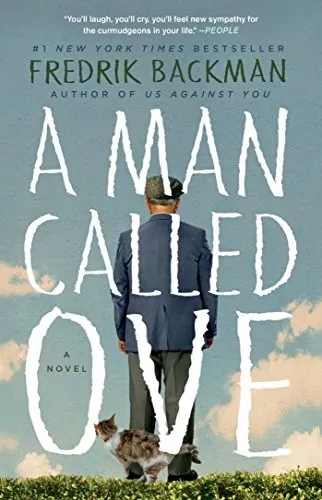
A Man Called Ove by Fredrik Backman (2012) is the essential novel about the kindness a grumpy person learns: an old man whose whole identity is his refusal of connection is pulled, against his will, into caring for his neighbors - and the caring is what keeps him alive. It is the book for adults who suspect they have become Ove, and it shows kindness not as sweetness but as the slow, grudging discovery that the people next door are yours. Content note: clean, warm and funny; deals with grief; appropriate for any adult reader.
To Kill a Mockingbird by Harper Lee (1960) is the essential novel of compassion as imagination: Atticus Finch’s instruction to Scout - that you never understand a person until you climb into their skin and walk around in it - is the definition of compassion as a method of knowing, and the novel is the most-quoted book about it in American literature. It is the book adults return to when they need the words for what they are trying to do. Content note: the novel uses racial slurs in dialogue and deals with racism; appropriate for mature readers.
The Essential Examination
The Kite Runner by Khaled Hosseini (2003) is the essential adult novel about the kindness that comes too late and the mercy that is still possible: the story of a man who failed to protect his friend as a boy, and who returns, as an adult, to try to make it right. It is the book that asks the hardest adult question about kindness - can the unkind act be redeemed? - and its answer is the deepest on this list. Content note: an adult novel dealing with betrayal, violence and the aftermath of war; intense; for mature readers, with discussion.
The Death of Ivan Ilyich by Leo Tolstoy (1886) belongs here too, as the essential book about the kindness of being seen: Ivan Ilyich, dying, discovers that the people around him perform concern while only one person - a servant - actually sees him. It is the book that shows adults what the absence of compassion looks like from the inside, and it is the sharpest lesson in what kindness actually is: the willingness to be present. Content note: short, entirely clean, and intense; appropriate for mature readers.
How These Books Speak to Each Other
The adult literature of kindness and compassion is a conversation. The Dalai Lama argues that compassion is trained; Hugo shows it transforming; Backman shows it being learned by a reluctant old man; Hosseini shows the unkind act and the mercy that follows it; Neff turns it inward; Tolstoy shows its absence; Lee defines it as imagination. The essential question running through all of them: can you keep your heart open - and what does keeping it open cost, and give?
How to Practice What These Books Preach
The deepest message of this literature is that kindness is a practice, not a mood - and the books themselves model the practice. The Dalai Lama calls compassion a trained capacity; Neff’s research shows self-compassion as a skill; the novels show the training in story. The reading becomes complete when the practice is taken up alongside it.
Start with the practice of attention, from To Kill a Mockingbird and the Dalai Lama: the daily attempt to see the other person from the inside. Atticus’s instruction - climb into their skin and walk around in it - is the definition of the practice, and the Dalai Lama’s version is the training: the repeated recognition that every person wants happiness and does not want suffering, exactly as you do.
Add the practice of the response, from The Art of Happiness and The Book of Joy: the trained habit of answering suffering with care rather than turning away. Both books are explicit that the habit is built by repetition, and both were written by men who had every reason to let the habit lapse.
Add the practice of the daily small thing, from A Man Called Ove: the kindness of the routine - the coffee offered, the fence mended, the neighbor checked on. Ove’s care is not a feeling; it is a set of actions done because they are his to do, and the book’s argument is that the actions are the care.
Add the practice of self-compassion, from Self-Compassion: the research-based discipline of treating yourself with the kindness you would offer a friend. The practice is specific - the self-kind words, the common humanity, the mindful acceptance - and it is the condition of sustaining the other practices.
Finally, add the practice of the hard return, from The Kite Runner: the willingness to go back to the unkind act and try to make it right. The book’s argument is that the practice of kindness includes its repair - that the mercy asked for and the mercy offered are the same capacity, exercised at the hardest point.
These practices do not require finishing any of the books first. The literature of kindness argues that the heart is kept open by practice, and the practice begins in the ordinary day, before the next page.
Content Notes: Choosing the Right Book
All of these books are for adult readers, and the notes are about emotional weight as much as content. The Kite Runner is the heaviest - betrayal, violence, war. Les Misérables includes poverty and death. The Death of Ivan Ilyich is quietly devastating. To Kill a Mockingbird uses racial slurs in dialogue. The Art of Happiness, The Book of Joy, Self-Compassion and A Man Called Ove are the most accessible. None require a warning about explicit content. Our family-friendly kindness and compassion guide offers gentler alternatives, our truth and integrity for adults guide connects compassion to honesty, and our thoughtful guide to civilizations and culture shows how different cultures have practiced the same virtue.
A Reading Plan for Adult Readers
For the reader who wants a single book: The Art of Happiness. For the reader who wants the transforming story: Les Misérables. For the reader who needs the inner work: Self-Compassion. For the reader who wants to see kindness survive the worst: The Book of Joy. For the reader who wants the hardest question: The Kite Runner. For the book club: read The Art of Happiness with The Kite Runner, and let the practice and the story argue with each other about whether compassion can be trained to survive the unkind act.
Conclusion: The Heart That Can Be Kept Open
Adults have seen the reasons to close the heart, and the most meaningful books about kindness and compassion are the ones that take those reasons seriously without surrendering to them: they show compassion as a trained strength, a transforming force, a discipline of the inner life, and a choice made again and again under difficulty. From the Dalai Lama’s daily practice, to the bishop’s mercy, to Ove’s grudging care, to the redemption of The Kite Runner - the books form a complete education in the most underestimated virtue there is. Start with the book that matches where you are, and let the conversation carry you deeper. For more reading paths, explore the Ideas section of our site.