Family-Friendly Purpose and Meaning
Introduction: The First Questions of What Matters
Children ask the questions of purpose and meaning long before they have the words: What are we here for? Why do we do this? What matters? They ask them in the small forms - why do I have to go to school, why is that person sad, what happens when we die - and the answers they receive shape everything. The best family-friendly books about purpose and meaning are the ones that honor the questions: gentle stories in which a character cares for something, gives something up, follows a journey, and discovers what made it worth it. They make the deepest question feelable before it is sayable, and they hand it to the family to discuss.
This guide gathers those books for every age, with content notes and discussion guidance so you can choose what fits your family.
For the Youngest Readers: The First Stories of What Matters
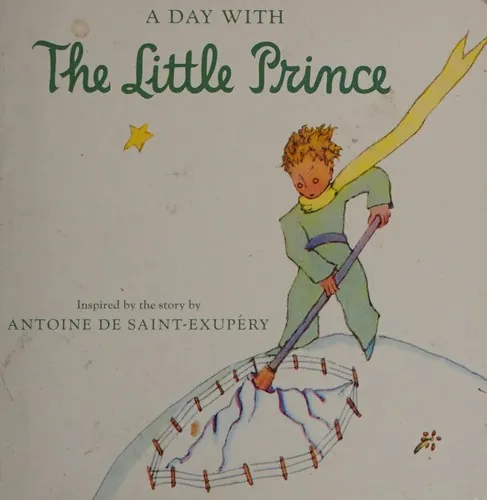
The Little Prince by Antoine de Saint-Exupéry (1943) is the essential book about meaning for readers of any age: a pilot stranded in the desert meets a little prince, and the discovery that “what is essential is invisible to the eye” - that the meaning of a life is in the relationships and the care, not in the measurable things. The fox’s lesson is the key: “It is the time you have wasted for your rose that makes your rose so important.” It is entirely clean, appropriate for any age, and the book that starts the deepest family conversations.
The Boy, the Mole, the Fox and the Horse by Charlie Mackesy (2019) is the essential gentle book: a boy’s journey with three animal companions, full of the small encouragements - “what do you want to be when you grow up?” “Kind” - that are the quietest statements of meaning in the literature. It is entirely clean, appropriate for any age, and the book families read together when they want the question without any machinery at all.
The Giving Tree by Shel Silverstein (1964) is the essential book about the meaning of giving: a tree gives everything to a boy across a lifetime, and the question - what made the giving worth it? - is the one the book leaves open for the family. It is entirely clean, appropriate for any age, and genuinely arguable.
The Miraculous Journey of Edward Tulane by Kate DiCamillo (2006) is the essential book about the meaning of love for young readers: a china rabbit who is loved, lost, broken and remade across a lifetime, learning what it is to care. It is the book about the purpose that love gives a life - entirely clean, appropriate from around age six, and one of the most moving books on this list.
For Middle-Grade Readers: The Questions Get Real
The Alchemist by Paulo Coelho (1988) is the essential story of purpose for older children: a shepherd boy, Santiago, who follows a recurring dream across the desert to the pyramids, learning that the treasure he sought was waiting where he began. It is the book that made “personal legend” a phrase in the world’s vocabulary - the idea that each person has a purpose that calls them, and that the pursuit is the meaning. Content note: entirely clean, appropriate from around age twelve.
The Boy Who Harnessed the Wind (Young Reader’s Edition) by William Kamkwamba and Bryan Mealer (2012) is the essential real-world purpose book: a boy in Malawi who, during a famine, taught himself engineering from library books and built a windmill that powered his village. It is the book that shows purpose in action - a child who found what he was for and pursued it against everything - and its question, what would you build to help your family, is one middle-grade readers carry for life. Content note: appropriate from around age nine; it includes the famine and its hardships, handled gently.
I Am Malala (Young Reader’s Edition) by Malala Yousafzai and Patricia McCormick (2014) is the essential book about purpose under threat: a girl in Pakistan’s Swat Valley who found her purpose - girls’ education - and pursued it at the cost of a bullet. It is the book that shows what a purpose is worth, and its question - what would you risk for what matters to you? - is the deepest a family can discuss. Content note: appropriate from around age ten; it includes the shooting and the Taliban’s violence, handled with restraint.
The Giver by Lois Lowry (1993) is the essential book about the purpose of memory: a community without pain or choice, and a boy chosen to receive the memories - the burden and the gift of knowing what the community has forgotten. It is the book about the purpose that is hard to carry, and it is entirely clean, appropriate from around age ten.
For Older Children and Family Read-Alouds: The Deepest Questions
Wonder by R. J. Palacio (2012) is the essential modern book about the purpose of kindness: a boy with a facial difference entering school, and the discovery - through the people who choose kindness - that being kind is a purpose. It is the book families discuss for weeks, and its question - what are you for? - is answered by the book’s famous refrain: choose kind. Content note: appropriate from around age nine; it deals with bullying and difference.
The Alchemist belongs on this shelf too for the family read-aloud: the story that the whole family can discuss - what is your personal legend, and what is the treasure waiting where you began?
Little Women by Louisa May Alcott (1868) is the essential classic about purpose: four sisters each finding what they are for - Jo’s writing, Beth’s music, Meg’s family, Amy’s art - and the novel’s argument that the purposes differ and all of them matter. It is the book that shows a family of children each discovering their own meaning, entirely clean, and appropriate for family reading from around age nine.
A Family Reading Order: From Gentle to Deep
The books on this list work best in an order, and the order matters as much as the selection. The progression is from purposes that are small, visible and warm to purposes that are costly, and each stage prepares the child for the next.
For the youngest readers, begin with The Giving Tree and The Boy, the Mole, the Fox and the Horse: purposes in miniature - caring for something, giving something, staying with someone. These are books a four-year-old can feel without understanding, and they build the vocabulary of purpose early.
Around six to eight, move to The Miraculous Journey of Edward Tulane and The Little Prince: purpose as a journey of love. Edward Tulane begins unable to love and learns to across loss; the little prince tends a rose and discovers that the tending is what makes her unique. Both books show that purpose is made by caring, not found by luck.
From nine to twelve, the purposes begin to cost something: The Boy Who Harnessed the Wind shows a purpose that defies poverty, The Giver shows a boy who takes on a burden for his community, and I Am Malala shows a purpose that is literally life-threatening. These are the books that introduce the idea that what matters may demand something of you.
For the whole family together, Wonder, The Alchemist and Little Women reward read-aloud: each shows purposes that differ and all of them matter - kindness, a personal legend, the four March girls each finding what they are for.
Two habits make the order work. Read the age-appropriate book aloud even when the child can read alone - the discussion is the point. And revisit the early books later: a book read at six is a different book at twelve, and the question of what you are for changes with the child.
How to Discuss Purpose and Meaning as a Family
The books are chosen because they make the question of what matters feelable before it is sayable, and the family discussion should follow the same order: start from the story, not the abstraction. Ask what the character cared about, what they gave up, and what made their journey worth it. Then let the questions rise: What made the little prince’s rose special? What was William’s windmill for? What would you risk for what matters to you? What do you think you are for?
The deepest family discussions connect the story to the child’s own life: What do you care about that you would work hard for? What is the difference between a job and a purpose? What would you build, or make, or do, to help the people you love? Our purpose and meaning themes and reading notes page offers structured prompts for these conversations, our family-friendly positive messages guide connects purpose to hope, and our world literature themes reading shows the meaning people have made across cultures.
Content Notes Summary
Every book on this list is clean in the ordinary sense - no explicit content, no graphic violence - and the notes are about emotional weight. For the youngest readers: The Giving Tree, The Boy, the Mole, the Fox and the Horse, The Little Prince, The Miraculous Journey of Edward Tulane (all appropriate from around age three to six; Edward Tulane is emotionally intense). For middle-grade: The Giver, The Boy Who Harnessed the Wind, I Am Malala, The Alchemist (from around age nine to twelve). For older children and families: Wonder, Little Women (from around age nine). The real-world books include hardship, handled gently, and the Malala book includes the shooting, handled with restraint.
Conclusion: The Questions Children Ask First
Children ask the questions of purpose and meaning long before they have the words, and the books in this guide honor the questions: gentle stories in which a character cares for something, gives something up, follows a journey, and discovers what made it worth it. From the little prince’s tended rose, to Edward Tulane’s long learning of love, to William’s windmill, to Malala’s purpose - these books form a family’s education in the deepest question there is: what are we for, and what makes a life worth it? Start with the book that fits your child’s age, read it together, and let the questions grow into purposes. For more reading paths, explore the Ideas section of our site.