Books Like The Five People You Meet in Heaven

Introduction: What Readers Mean by “Books Like The Five People You Meet in Heaven”
When readers ask for books like The Five People You Meet in Heaven, they are rarely asking for another book about the afterlife. They are asking for something more specific: a story about how lives connect, the discovery that the small unnoticed acts were the point, and a warm, lesson-driven treatment of death rather than a dark one. The Five People You Meet in Heaven (2003) has all three - Eddie, an old maintenance man, dies on his eighty-third birthday and meets five people in heaven who show him how his life connected to theirs - and the books that come closest are the ones that find their own way to the same combination.
This guide gathers the strongest readalikes, old and new, with honest content notes and a clear sense of what each book shares with the original and where it departs from it.
The Albom Universe
The books that come closest to The Five People You Meet in Heaven are the author’s own explorations of the same questions.
For One More Day by Mitch Albom (2006) is the essential companion: a man who has lost everything gets one more day with his mother, who died when he was young - and the day is a long lesson in what she gave him. It shares the five people’s structure (a life reviewed through the people who shaped it) and its warmth, and it is the book that readers of the original most often discover next. Content note: clean and warm; deals with loss and grief; appropriate for readers from around age twelve upward.
Tuesdays with Morrie by Mitch Albom (1997) is the essential companion about the lessons: a dying professor who teaches his final lessons to a former student, one Tuesday at a time. It shares the five people’s conviction (that the lessons are what last) and its voice, and it is the book that introduced the author’s territory. Content note: clean and warm; deals with dying; appropriate for readers from around age fourteen upward.
The Stranger in the Lifeboat by Mitch Albom (2021) continues the author’s exploration of faith, loss and the question of who shows up when we are sinking - and readers who love the five people usually want the whole series of Albom’s books, which return to the same questions in different forms.
The Life Reviewed
A second branch of the family is the book in which a life is reviewed and found to mean more than it seemed.
The Midnight Library by Matt Haig (2020) is the essential modern companion: Nora Seed, at the point of suicide, is given the chance to live the many lives she could have lived - and discovers, across all of them, that the meaning was in the life she had. It shares the five people’s question (what was the life for?) and its discovery (the small, ordinary life was the point), with a darker register and a more contemporary voice. Content note: deals with depression and suicidal thoughts; for mature readers.
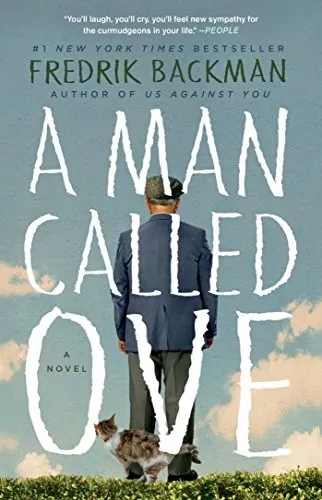
A Man Called Ove by Fredrik Backman (2012) is the essential novel of a life reviewed through the people it touched: Ove, a grumpy old man who has decided his life is over, is pulled back into caring for his neighbors - and the novel is, in its quiet way, the five people’s discovery (every life touches others) told from the other side of the counter. Content note: clean, warm and funny; deals with grief; appropriate for readers from around age fourteen upward.
The Storied Life of A. J. Fikry by Gabrielle Zevin (2014) is the essential book about the ordinary life that turns out to be extraordinary: a lonely bookseller whose life is changed by the arrival of a child - and who discovers that the connections he thought he had avoided were the story all along. It is the five people’s theme (the small acts are the point) in a completely realistic register. Content note: clean and warm; appropriate for readers from around age thirteen upward.
The Lessons Passed On
A third branch is the book about the lessons themselves.
The Last Lecture by Randy Pausch (2008) is the essential companion about passing on the lessons: a professor with terminal cancer delivers the lecture he always wanted to give - about achieving childhood dreams, about time, about living - for his children. It is the five people’s gesture (the lessons given under the deadline) done in life rather than in heaven, and it is the book that shows the teaching the five people represent. Content note: clean and inspiring; deals with terminal illness; appropriate for readers from around age thirteen upward.
The Alchemist by Paulo Coelho (1988) is the essential fable about the discovery the five people make: that the treasure was where you began, and that the journey was the meaning. It is the five people’s message (the small, overlooked life was the point) told as a quest, and it is the book that translates the discovery into myth. Content note: clean; appropriate for readers from around age twelve upward.
The Boy, the Mole, the Fox and the Horse by Charlie Mackesy (2019) is the essential gentle companion: a series of small conversations about kindness, courage, home and being enough. It is the five people’s warmth in a child’s register, and its central line - “what do we do when our hearts are broken? - we are here, with each other” - is the whole of the connection the five people teach. Content note: gentle and entirely clean; appropriate for any age.
Themes and Values That Hold the Readalikes Together
Once you have read a few of these books side by side, the shared themes become clear, and they are worth naming because they are what make the category cohere.
Every life touches others runs through every one of them. The five people’s central discovery - that Eddie’s ordinary, overlooked life as a maintenance man connected to thousands of lives he never knew he touched - is the load-bearing idea of the whole family. The Midnight Library shows the same discovery in the lives Nora could have lived; Ove discovers it through his neighbors; A. J. Fikry through his child. The books are united by the conviction that no life is small, because no life is unconnected.
The small acts were the point is the second shared value. The category is defined by the discovery that the unnoticed acts - the ride given, the word said, the door held - are what the life was actually made of. The books agree that the ledger of a life is not kept in its achievements but in its connections.
Death as the teacher is the third shared theme. The five people meet Eddie in heaven to teach him; Morrie teaches from his deathbed; Pausch lectures under his deadline; Nora’s despair is the frame for her discovery. The books agree that the end is not the enemy of meaning but the frame that reveals it.
One more theme is worth naming because it is the one that answers the book’s title: the five people are not the famous ones. Eddie expects to meet the great and the significant; he meets the people he actually touched - the child he saved, the man whose life he did not know he changed, the woman he loved. The category is united by the discovery that the ledger of a life is kept in the people it connected to, not the ones it impressed - and that the reader’s own five people are already there, waiting to be noticed.
What to Read Next Depends on Why You Loved It
If you loved the author’s voice, read For One More Day and Tuesdays with Morrie, and then the rest of Albom’s books.
If you loved the life reviewed, read The Midnight Library and A Man Called Ove, which show the same discovery from different directions.
If you loved the ordinary life that mattered, read The Storied Life of A. J. Fikry.
If you loved the lessons passed on, read The Last Lecture, which is the teaching done in life, and The Alchemist for the fable of the discovery.
If you loved the gentleness, read The Boy, the Mole, the Fox and the Horse.
Content Notes: What These Books Contain
All of these books are clean in the ordinary sense: no explicit content, no graphic violence. The distinctions are about emotional weight. For One More Day, Tuesdays with Morrie, The Last Lecture, The Alchemist and The Boy, the Mole, the Fox and the Horse are the gentlest, appropriate for readers from around age twelve to fourteen upward. A Man Called Ove and The Storied Life of A. J. Fikry are appropriate from around age thirteen to fourteen, both dealing with grief. The Midnight Library deals with depression and suicidal thoughts and is for mature readers. All of them deal with loss and are best read with the expectation of being moved. Our family-friendly moral dilemmas and our meaningful purpose and meaning for adults offer related reading paths for the questions of connection and meaning these books raise.
A Reading Plan for Book Clubs
The Five People You Meet in Heaven generates conversation on every level: the structure, the lessons, the question of whether the afterlife frame helps or sentimentalizes the message. Some of the best discussion questions come from pairing it with a book that tests it: read it with The Midnight Library, and ask whether the discovery is the same when the frame is despair rather than heaven; read it with A Man Called Ove, and ask whether the connection is visible in life as well as after it; read it with The Last Lecture, and ask whether the lessons hit harder given in life.
Conclusion: The Connections That Keep Giving
The Five People You Meet in Heaven endures because it is about something permanent: the conviction that every life touches others, that the small acts were the point, and that the end reveals the meaning. Every book on this list takes one piece of that - the voice, the review, the lesson, the gentleness - and builds its own account around it. The joy of reading them is the joy of watching the same discovery made in different rooms, different centuries, different registers. Start with whichever part of Eddie’s story you loved most, and let the comparison teach you what a life is really made of. For the full collection of reading paths, start at the Ideas section of our site.