Books Like Little Women
Introduction: What Readers Mean by “Books Like Little Women”
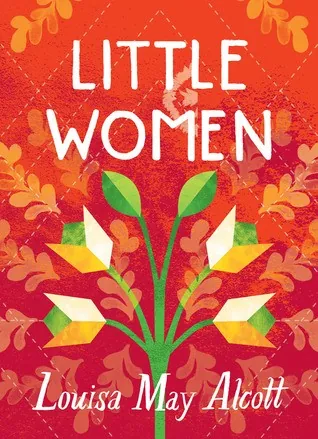
When readers ask for books like Little Women (1868–69), they are rarely asking for another novel about the Civil War. They mean the combination Louisa May Alcott built: the four March sisters - Meg, Jo, Beth and Amy - growing up in a New England household while their father is away at war, with Marmee holding the family together and Jo at the center, impatient, bookish and determined to be a writer. It is the novel of ordinary domestic life made extraordinary by love, and the book that taught generations of readers that the family is the adventure.
The books that come closest are the ones that find their own way to that combination: the sisters, the family, the growing up. This guide gathers the strongest readalikes with honest content notes and a clear sense of what each shares with Alcott’s novel and where it departs.
The Alcott Novels
The books that come closest to Little Women are the author’s own continuations of the March family.
Little Men by Louisa May Alcott (1871) is the essential companion: Jo and her husband Fritz run Plumfield, a school for boys, and the novel follows Nat, Dan, Demi and the rest through lessons, mischief and moral growth. It shares Little Women’s warmth and its conviction that children are remade by love and work. Content note: a children’s classic, appropriate for readers from around age eight upward.
Jo’s Boys by Louisa May Alcott (1886) is the essential companion at the end of the story: the children of Plumfield are grown, going to college, falling in love and finding their work, with Jo now the matriarch of the whole sprawling family. It shares Little Women’s structure of a decade’s growth and its bittersweet sense of time passing. Content note: a classic, appropriate for readers from around age ten upward.
Eight Cousins by Louisa May Alcott (1875) is the essential companion about the girl among the boys: Rose, an orphaned heiress, is raised by her six aunts and seven boy cousins under the eye of her uncle, the doctor. It shares Little Women’s domestic warmth and its moral lessons, with the sisters replaced by cousins. Content note: a children’s classic, appropriate for readers from around age nine upward.
The Spirited Girls
A second branch is the classic novel of the spirited girl growing up.
Anne of Green Gables by L. M. Montgomery (1908) is the essential companion: Anne Shirley, an orphan with a temper and a bottomless imagination, arrives at Green Gables by mistake and transforms the Cuthberts’ farm with her talk, her scrapes and her fierce loyalty. It shares Little Women’s era’s warmth, its girl at the center and its conviction that character is the plot. Content note: a children’s classic, appropriate for readers from around age nine upward.
Emily of New Moon by L. M. Montgomery (1923) is the essential companion for Jo’s kind: Emily Byrd Starr, an orphaned girl who wants to be a writer, keeps her notebooks and her pride against a strict aunt, and refuses to be silenced. It is the closest thing to Jo March in all of children’s literature - the writer-girl as the heart of the book. Content note: a children’s classic, appropriate for readers from around age ten upward.
Ballet Shoes by Noel Streatfeild (1936) is the essential companion about the sisters and the stage: three adopted sisters - Pauline, Petrova and Posy - grow up in a London house with a vow to make their way in the world, training in dance, acting and skating. It shares Little Women’s sister structure and its conviction that girls’ ambitions are the plot. Content note: a children’s classic, appropriate for readers from around age nine upward.
The Families and the Growing Up
A third branch is the novel of the family and the girl growing up across the century.
A Tree Grows in Brooklyn by Betty Smith (1943) is the essential companion in adult register: Francie Nolan, a girl in turn-of-the-century Brooklyn, grows up poor but bookish in a family of dreamers - the American Little Women, with the New England parlor replaced by a tenement and the poverty made explicit. Content note: a novel with some adult themes including poverty and a difficult father; for readers from around age fourteen upward.
I Capture the Castle by Dodie Smith (1948) is the essential companion about the writer-daughter: Cassandra Mortmain, seventeen, records her family’s life in a crumbling English castle in her journal, capturing first love, poverty and her own becoming a writer. It shares Little Women’s family-of-women structure and its first-person writer’s voice. Content note: a novel with some mature romantic content; for readers from around age fourteen upward.
The Penderwicks by Jeanne Birdsall (2005) is the essential companion in modern register: four sisters - Rosalind, Skye, Jane and Batty - on a summer at a grand estate, with their widowed father and a garden full of adventure - the twenty-first-century heir to the March sisters, and the book that won the National Book Award in 2005. Content note: a children’s novel, appropriate for readers from around age eight upward.
Themes and Values That Hold the Readalikes Together
Once you have read a few of these books side by side, the shared themes become clear, and they are worth naming because they are what make the category cohere.
The sisterhood as the engine runs through every one of them. Little Women’s central claim - that the four sisters are the story, each distinct, each loved - is the load-bearing structure of the whole family. The books are united by the conviction that the family is the adventure and that girls’ bonds are not the soft part of the story but its heart.
The moral growth as the plot is the second shared shape. The category is defined by girls who stumble, sulk, lose their tempers and learn - Jo’s rage, Anne’s scrapes, Francie’s hunger - and by the conviction that becoming good is not dull but the most dramatic thing a person can do. The books agree that character is made, not given.
The ambition of girls is the third shared theme. The family is united by the girls who want - Jo wants to write, Emily wants to write, Posy wants to dance, Francie wants to read everything - and by the conviction that their wanting is legitimate and their work is honored. Our best hope and perseverance reading list and our themes and values guide to hope and perseverance both explore these questions of endurance and ambition that run through every book here.
What to Read Next Depends on Why You Loved It
If you loved the March family, read Little Men and Jo’s Boys, which continue their story.
If you loved Jo, read Emily of New Moon, the writer-girl who is her closest kin, and I Capture the Castle for the adult version.
If you loved the sisters, read Ballet Shoes and The Penderwicks.
If you loved the girl growing up, read Anne of Green Gables and A Tree Grows in Brooklyn.
Content Notes: What These Books Contain
Little Women is a beloved classic dealing with a family’s grief and the moral lessons of its era, appropriate for readers from around age eight or nine upward. Little Men, Jo’s Boys, Eight Cousins, Anne of Green Gables, Emily of New Moon, Ballet Shoes and The Penderwicks are all children’s classics appropriate for similar ages. A Tree Grows in Brooklyn includes poverty, an alcoholic father and some mature themes, best for readers from around age fourteen upward. I Capture the Castle includes some mature romantic content and is best from around age fourteen upward. None contain anything gratuitous; the weight is the weight of growing up, and these are among the safest books on any list.
Why These Books Work as a Set
Read together, these readalikes form a coherent shelf, and the coherence is worth naming. They are bound by the conviction that the family is the adventure - that the sisters, the farm, the castle and the tenement are where the real drama lives, and that growing up well is a plot with real stakes. They are also bound by a shared register: warmth without sentimentality, moral seriousness without sermonizing. That shared DNA means the shelf rewards reading in pairs - Little Men deepens Little Women’s second half; Emily of New Moon reframes Jo’s ambition; A Tree Grows in Brooklyn carries the same story into a harsher light. For a reader working through the family, the pairings are as instructive as the individual titles, which is why the reading plan below suggests specific combinations rather than a single sequence.
A Reading Plan for Book Clubs
Little Women generates conversation on every level: the sisters, the era, the question of which March sister the reader is. Some of the best discussions come from pairing it with a book that shares or challenges it: read it with Anne of Green Gables, and compare the two spirited girls; read it with Emily of New Moon, and compare the two writers; read it with A Tree Grows in Brooklyn, and ask how the same story of a girl growing up changes when the poverty is explicit. The question of what growing up well requires is one our hope and perseverance reading list can help frame for a group.
Conclusion: The Family That Keeps Reading
Little Women endures because it is about something permanent: the conviction that the family is the adventure, that moral growth is the most dramatic plot, and that girls’ ambitions deserve a whole book of their own. Every book on this list takes one piece of that - the author, the sisterhood, the girl, the growing up - and builds its own account around it. The joy of reading them is the joy of watching the same story happen in different parlors, different centuries, different registers. Start with whichever March sister you loved most, and let the comparison teach you what growing up is really for. For the full collection of reading paths, start at the Ideas section of our site.