Family-Friendly Purpose
Ask most parents what they want for their children and the answer is a list of outcomes: happy, healthy, successful, safe. Ask what they want their children to be for - what purpose they hope their children will carry - and the answer gets harder. And yet the second question is the one that matters more, because the child who knows what they are for has something that no outcome can supply: a direction.
This guide is about family-friendly purpose: how families discover and practice what they are for - through shared values, contribution, ritual and books chosen for every age. Because purpose is not a luxury for families; it is the meaning that holds a household together in the ordinary seasons and the hard ones.
Why the Family Is the Purpose Classroom
Children learn purpose the way they learn everything else: by watching and by doing. The family is where children first see what purpose looks like - the parent who can name what their work is for, who contributes to the community, who keeps going for a reason. It is where children first practice contributing - the chore done for the family, the help offered to a sibling, the small service to a neighbor. And it is where children first hear the story of what matters - the family’s values, told and retold.
The stakes are high, because the lessons are durable. The child who grows up in a family that knows what it is for learns that life has direction, that contribution matters, that meaning is available. The child who grows up in a family where nothing is named - where the days are full but the life is not pointed anywhere - learns the modern drift: busy, accomplished, restless.
What Family Purpose Looks Like
Family purpose is not a mission statement on the fridge (though it can be); it is the shared sense of what the family is for, expressed in daily life. It looks like the family that can name its values - honesty, kindness, service, learning - and that organizes its days around them. It looks like the family that contributes together - the volunteering, the helping of relatives, the small acts of service done as a household. And it looks like the family that tells its story - the “this is who we are” that gives the household a direction.
The common thread is that family purpose connects values to actual contributions - the direction the family can act on, in the life it has. It is built from the same elements as individual purpose - values, contribution, coherence, vitality - but the family version is shared: it is the meaning that the household holds together, and it is stronger for being held together.
How Children Learn Purpose
Children learn purpose through three channels, and the channels matter because they determine what you actually do.
The first is example. Children absorb what the adults in their lives are for. The parent who can name their purpose - the work, the contribution, the meaning - is teaching purpose with every unremarked moment. The parent who cannot, who is busy without direction, is teaching the drift just as effectively. The example is the curriculum, and it is being taught whether you intend it or not.
The second is contribution. Children learn purpose by contributing - by doing things that matter to others, and by experiencing that their contribution counts. The chore done for the family, the help offered to a sibling, the service to a neighbor: these are the small practices that build the sense that “I matter to something.” The child who contributes learns purpose from the inside; the child who only receives learns that the world is for them.
The third is story. Books and family stories let children see purpose from the inside - characters who find meaning and direction, and families whose values are visible. Stories do what lectures cannot: they show purpose being found, tested and lived.
The Family Rituals of Purpose
Purpose is built by repetition, and the family rituals are the repetition. The first ritual is the naming of values: the family that talks about what it stands for - at dinner, in the car, at the moments of decision - is making its purpose visible. The naming does not need to be formal; it happens in the ordinary conversations: “we don’t do that in our family because we’re honest.”
The second ritual is the shared contribution: the family that serves together - the volunteering, the helping of relatives, the community involvement - is practicing purpose together. The contribution does not need to be large; the weekly help to a grandparent, the annual volunteering, the small service done as a household are enough.
The third ritual is the family story: the telling of what the family is for, in narrative form. The story can be as simple as the family’s origin - “we came from people who worked hard and helped their neighbors” - or as current as the family’s commitments. The story gives the household a coherence, and the coherence is the purpose.
Age-Appropriate Purpose Practice
Purpose develops in stages, and the practice must fit the stage.
Young Children (Ages 3–7)
For young children, purpose is concrete and immediate: helping with the task, making the card for grandma, feeding the pet. The parent’s role is to offer the contribution and to name it: “You helped the family by setting the table. That matters.” The naming builds the sense that “I contribute, and my contribution counts.”
Middle Readers (Ages 8–12)
At this age, purpose moves into the wider world: the school project that helps others, the community involvement, the first sense of what they care about. The parent’s role shifts from offering to supporting - helping the child find the contributions that fit their emerging interests, and noticing what energizes them.
Teenagers (Ages 13+)
Teen purpose is the hardest and the most important, because teens are questioning everything, including whether anything matters. The parent’s role is to keep the questions alive without forcing the answers: to ask what they care about, to notice what energizes them, to support the explorations, and to let the purpose emerge through the doing rather than the demanding.
Stories That Teach Purpose
Stories are the family’s second curriculum, and they teach purpose better than lectures because they show it in action.
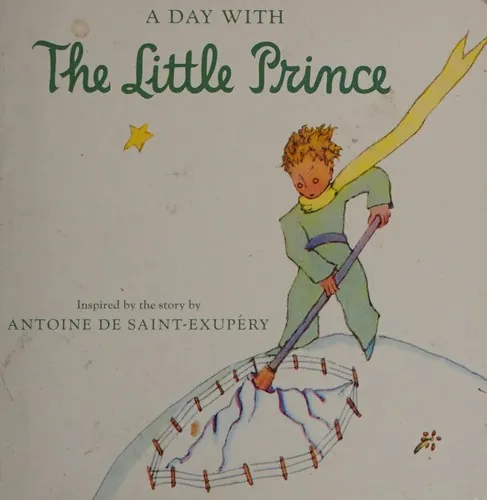
For young children, The Little Prince by Antoine de Saint-Exupéry is the essential choice - a story about what makes life meaningful: the taming, the caring, the responsibility for what you love. For middle readers, The Secret Garden by Frances Hodgson Burnett shows a child finding purpose through care - for the garden, for the people, for the life around her. For older readers, The Alchemist by Paulo Coelho is the classic story of following your purpose, and it is the book that many teenagers find at exactly the right moment.
The books do what lectures cannot: they let children see purpose from the inside, and they give families a shared language for talking about it. “Remember what the fox taught the prince about responsibility?” is a much easier conversation than “you need to find your purpose.” For the deeper themes behind this approach, our notes on purpose themes work through the ideas in more detail.
Purpose and Integrity in the Family
Purpose and integrity are inseparable in family life, and the connection is worth naming because it is the test of whether the family’s purpose is real. Integrity is the alignment of actions with values - and purpose is the direction the values set. The family that says it values honesty and lies to the school is teaching the opposite of its purpose; the family whose actions track its stated values is teaching integrity, and the integrity is the proof of the purpose.
Our guide to family-friendly integrity explores how the alignment is practiced in the household, and it belongs with the purpose reading because the two are the same capacity seen from two sides. The family whose purpose is real is the family whose actions match its words, and the match is what the children absorb.
Purpose and the Hard Seasons
There is one more reason family purpose matters, and it is the deepest: purpose is the resource that carries a family through the hard seasons. The illness, the loss, the job loss, the years when everything seems to go wrong at once: these are the seasons when the “why” becomes the only thing that holds. The family with a shared sense of what it is for has a reason to recover together; the family without one has only the problem.
This is why the purpose books and the resilience books belong on the same shelf, and why the family that names its purpose is building resilience at the same time. Our notes on positive messages explore how the family’s shared story and encouragement sustain it through difficulty, and the positive messages are the daily form of the purpose: the “we will get through this” that the purpose makes credible. The family that knows what it is for can face anything - because the knowing is the reason to keep going.
The Questions Every Family Can Ask
If the rituals are the repetition of purpose, the questions are its attention - and there is a set of questions that works at every family size and every stage. They are the family versions of the purpose questions, and they can be asked at the dinner table, in the car, or at the moments of decision.
The first is the values question: what do we stand for as a family? The question does not need a perfect answer; the asking is the point. It surfaces what the family actually holds - honesty, kindness, loyalty, learning - and it lets the children hear the values named out loud, which is how values become real.
The second is the contribution question: what do we give to others, together? The question points the family outward - to the relatives helped, the neighbors served, the community supported. It builds the sense that the family is for something beyond itself, which is the family form of the purpose that no individual can supply.
The third is the story question: what is our family’s story? The question invites the telling - where the family came from, what it has been through, what it holds onto. The story is the coherence: it makes the family’s past visible, and it gives the present a direction.
The fourth is the season question: what is our family for right now? The question respects the seasons of family life - the young family is for raising; the midlife family is for launching; the later family is for gathering. The purpose changes with the seasons, and the asking keeps the family’s purpose current instead of frozen.
And the fifth is the smallest and most practical: what will we do this week, together, that matters? The question converts purpose from an abstraction into a plan - one concrete contribution, one named value, one told story per week. The weekly question is the family practice in its most usable form, and it is the one that turns the whole approach into a habit.
These questions do not need formal meetings or special occasions. They need a family that is willing to ask them - at dinner, in the car, at the moments when the family is deciding what it is for. The asking is the attention, the attention is the direction, and the direction is the purpose.
A Simple Family Purpose Practice
If you want to begin today, here is a practice that fits ordinary family life. First, name the values: at the next dinner, ask “what do we stand for as a family?” and let everyone answer. The naming is the beginning. Second, choose one shared contribution: the volunteering, the helping of a relative, the community involvement - and do it together.
Third, tell the family story: what the family is for, where it came from, what it holds. The story gives the household coherence. Fourth, notice and name the children’s contributions: “You helped the family by doing that. That matters.” The naming builds the sense that they count. Fifth, read one purpose story together - The Little Prince for the youngest, The Alchemist for the oldest - and let the conversation happen.
Conclusion
Family-friendly purpose is not a mission statement; it is the shared sense of what the family is for, expressed in daily life - through values named, contributions made, stories told and rituals kept. Children learn purpose by watching adults who know what they are for, by contributing themselves, and by hearing the stories that show meaning from the inside.
Start with the naming. Choose the shared contribution. Tell the story. Notice the contributions. And remember that purpose does not have to be grand - the family that is honest, kind and helpful, and that knows it, has purpose enough. The knowing is the gift, and it is the one that carries the family through everything - one named value, one shared contribution, one told story at a time.
Frequently Asked Questions
How do I teach my child purpose?
What is family purpose?
What books teach purpose to children?
How do I help a child find their purpose?
Can a family have a shared purpose?
How does family purpose help in hard times?
Featured Recommendations

Raining Book Editorial Team
The Raining Book editorial team curates the best book recommendations and reading guides for every type of reader.