Character: Themes, Values and Reading Notes

Read enough books about character and the same patterns emerge, the way they do in any mature genre. The covers differ, the eras differ, but the core claims keep returning: character is built, not born; it is built by practice, not intention; it is revealed in the unobserved moments; and it is aimed outward, through responsibility, at the people around us. Naming those patterns is not an academic exercise. It is the difference between collecting character books and building character.
This guide maps the themes and values that run through the best character books, and offers reading notes on how to turn them into daily practice rather than good intentions.
The Core Themes of Character Books
1. Habituation: We Become What We Repeatedly Do
The oldest and most fundamental theme, originating with Aristotle, is that character is built by practice. Virtue is not a matter of knowing the good; it is a matter of doing it repeatedly until it becomes a disposition. We become just by doing just acts, brave by doing brave acts, honest by telling the truth - each act a small deposit, each repetition a strengthening of the trait.
This theme is the philosophical foundation of the whole genre, and it explains why character books are always, underneath, habit books. The virtues are moral habits, and the mechanism for building them is the same mechanism for building any habit: repeated action in the right conditions. If you want the mechanism spelled out, the discipline books supply it, and our thoughtful guide to character connects the two traditions.
2. The Inner-Outer Distinction
A second theme runs through the most thoughtful character books: the difference between the person you appear to be and the person you are. David Brooks’s The Road to Character names it as the contrast between resume virtues - the achievements you list - and eulogy virtues, the things people say about you when you are gone. The theme insists that the inner life is the real location of character, and that a life spent polishing the outer performance at the expense of the inner person is a life misspent.
The theme has a practical edge. It redirects your attention from how you look to who you are becoming, and it protects you from the self-improvement industry’s obsession with visible results. Character work is largely invisible work - which is exactly why it is so rarely done.
3. Repair
The third theme is the one the genre has learned most recently, and it is the most hopeful. Character is not the absence of failure; it is the quality of what follows failure. The person of character is not the one who never lies, loses patience or breaks a promise; they are the one who owns the failure, apologizes without justification, makes amends and rebuilds trust over time.
This theme reframes the moral life as a cycle of rupture and repair rather than a record of flawless behavior. It is especially important for families, where failure is constant and repair is the daily work. Our reading notes on family healing explore this cycle in depth, because the capacity to repair is the character skill that holds relationships together.
4. Responsibility
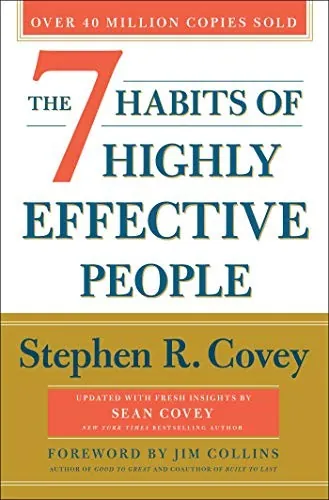
Character books keep returning to responsibility, and it is the theme that aims the whole enterprise outward. Character is not mainly about becoming a better person for yourself; it is about becoming someone others can rely on. The Stoics made duty central. Aristotle tied virtue to the life of the community. And the modern books - Covey’s especially - connect character to trustworthiness, which is a relational quality.
The theme answers the question “why bother?” that the inner-outer distinction raises. If character were purely private, it could become self-indulgent. Responsibility is what keeps it honest: character is for something, and that something is the people around you.
5. Character and Meaning
The deepest theme is the connection between character and meaning. The character books that last are the ones that tie virtue to purpose - that ask not only “how should I live?” but “what is my life for?” Viktor Frankl’s Man’s Search for Meaning is the essential statement: meaning is found in work, love and the attitude we choose toward suffering, and character is how we hold that meaning under pressure.
This theme is why character books are read at the turning points of life - midlife, loss, career change - when the question of what a life is for becomes urgent. The virtues, on this reading, are not rules to obey but capacities that let you live a meaningful life well.
The Values at the Heart of Character
Strip the themes down and a stable set of values remains. Integrity is the foundation - the alignment of your actions with your values, the consistency of your word under pressure. Honesty is integrity in speech, with others and with yourself. Courage is the capacity to act rightly when it is costly - the virtue that activates the others, because integrity and honesty usually require it. Patience is the discipline of the timeline. Responsibility is the willingness to own your actions and their consequences. And kindness is the virtue that keeps the others from becoming cold.
These values explain why the character genre is so closely tied to the courage genre. Courage is not one virtue among many; it is the hinge. The honest answer, the kept promise, the apology that costs something: all of them require courage at the moment of choice. That is why the best courage reading lists and the best character reading lists keep overlapping - they are two views of the same territory. Our courage reading notes explore this connection directly.
Reading Notes: How to Read Character Books
The character genre has a specific hazard: it is easy to read about virtue and feel virtuous, without becoming more virtuous. The following reading notes system is designed to close that gap.
First, read one chapter at a time and extract one virtue to practice. Not the quote to admire - the specific virtue the chapter is about, translated into a command: “This week I will practice honesty in my reporting.” One virtue per chapter is a manageable dose.
Second, note the situations where the virtue is tested in your life. The chapter on honesty is abstract until you write down your actual honesty tests: the expense report, the feedback I soften, the excuse I give myself. The situations are where the reading becomes real.
Third, keep a character log. One line per day: what virtue I practiced, where I succeeded, where I failed, what I will do differently. The log is the feedback loop that turns reading into becoming. It also makes you honest with yourself, which is the value underneath all the values.
Fourth, review monthly and reread annually. Character books reward rereading because they are read differently at different stages of life. The book that was about building integrity at thirty is, at fifty, about sustaining it under pressure. Our reading notes on courage themes use the same method, because the two genres are one conversation.
Choosing Books by Theme
Knowing the themes makes book selection deliberate. If you need the philosophical foundation: Aristotle’s Nicomachean Ethics. If you need the practical system connecting character to daily life: The 7 Habits of Highly Effective People. If you need the critique of performance and success: The Road to Character. If you need the research on perseverance: Grit by Angela Duckworth. If you need character demonstrated in story: To Kill a Mockingbird or Little Women.
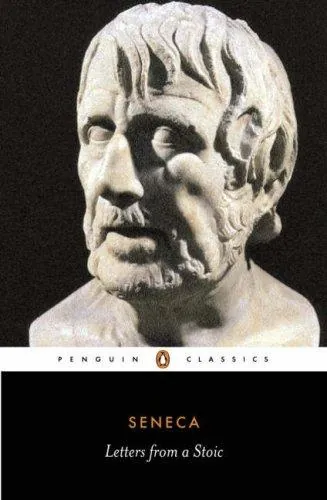
And if you want to see the themes working in a single tradition, the Stoics are the complete package: Meditations by Marcus Aurelius is habituation, the inner-outer distinction, repair, responsibility and meaning in one notebook. The Daily Stoic makes it a daily practice. Reading the Stoics alongside the modern books shows you how little has changed in two thousand years - and how much the genre still has to teach.
The Courage Connection
It is worth dwelling on the courage connection, because it is the key to applying everything else. The character virtues are not activated by knowing them; they are activated by courage - the willingness to act rightly when it is costly. Every character test is a courage test: the honest report, the difficult conversation, the apology, the boundary, the refusal to go along.
This is why the practical advice of the character genre always comes back to the same place: build the courage to act, and the virtues follow. Start with the small costly actions - the honest answer, the kept promise - and let the courage build through practice, the way any habit builds. Our list of the best courage books collects the strongest titles for exactly this work.
A Sample Reading Note
To make the method concrete, here is what a reading note on The Road to Character might look like after a chapter on the inner-outer distinction. The note has three parts: the mechanism, the application, and the log entry.
Mechanism: “Resume virtues are what you achieve; eulogy virtues are what you are. Character is built in the inner life, not the outer performance - and the culture’s obsession with visible success actively distracts from the inner work.” Application: “My problem is the gap between how I look at work and how I feel about myself. Concrete practice: this month I will stop volunteering the impressive-sounding version of my week, and practice one honest sentence about what was actually hard.” Log: “Week 1: said the honest version twice, noticed the urge to embellish and let it pass. Week 2: told a colleague I was struggling with a project instead of pretending it was fine. Week 3: noticed I am less tired at the end of the day - the performance was exhausting.”
The value of writing it this way is visible in the log. The mechanism is abstract until it is applied; the application is generic until it is logged; and the log is where the honest self-knowledge appears - in this case, the discovery that the performance itself was the exhausting part. That single observation, written down, becomes the input for the next round of practice.
This is the whole method in miniature: extract the principle, apply it to your specific life, log the results, and let the log inform the next iteration. A month of notes like this is worth more than a year of reading without them. The books supply the map; the notes are the territory you are actually walking.
The Role of Family in the Reading
There is one more dimension of the character reading that is easy to miss when you read alone: character is read and built in relationship, and families are the natural reading group. The family that reads a character book together - or, better, reads the character novels aloud across ages - gets something the solo reader does not: a shared language for the values. “Remember how Anne apologized?” becomes a way to talk about repair with a child who is learning it.
The practical version is simple. Choose a character novel for the family read-aloud - The Little Prince for the youngest, Anne of Green Gables for middle readers, Little Women or To Kill a Mockingbird for older ones - and let the conversations happen naturally around it. The book supplies the demonstration; the family supplies the practice. The two together are the most powerful character curriculum there is.
Conclusion
The character genre, for all its variety, keeps returning to five themes - habituation, the inner-outer distinction, repair, responsibility, and the connection between character and meaning - and to a stable set of values: integrity, honesty, courage, patience, responsibility and kindness.
The reading notes that matter are the ones that turn these into practice: one virtue per chapter, the situations where it is tested in your life, a daily log, a monthly review. The books are the map, but character is built in the testing - in the unobserved moments where you choose the honest, patient, responsible action and then do it again next time. And the deepest insight of the whole genre is that you become what you repeatedly do. Read accordingly, and then live accordingly - the books are only the beginning.
Frequently Asked Questions
What are the main themes in character books?
What values do character books promote?
How do I take useful notes on a character book?
What is the single biggest idea in character books?
Why do character and courage appear together so often?
How do I choose which character book to read first?
Featured Recommendations



Raining Book Editorial Team
The Raining Book editorial team curates the best book recommendations and reading guides for every type of reader.