Books Like The Secret Garden
There is a specific feeling that comes from finishing The Secret Garden: you want to go outside and dig in the earth. Frances Hodgson Burnett’s novel - the lonely, spoiled Mary Lennox sent to a Yorkshire manor, the hidden walled garden, the invalid cousin Colin, the boy Dickon with his animal friends - became a beloved classic because it tells one of the most hopeful stories ever written: the story of things coming back to life.
The garden that Mary finds is dead, and she brings it back to life - and in bringing it back, brings herself and Colin back with it. The book’s power is its patience: growth is slow, the earth works in its own time, and the magic is not magic at all but attention, work and time. The problem after finishing it is the one every great book creates: you want more of the feeling - the healing, the growth, the green. This guide collects the books that genuinely belong on that shelf.
What Made The Secret Garden Special
Before the recommendations, it is worth naming what you are actually looking for, because the right next book depends on which part of the book stayed with you.
If the healing stayed with you - the children restored, the invalid made well - then the healing books will fit. If the nature stayed with you - the garden, the earth, the seasons - then the nature books will be your natural next step. And if the growth stayed with you - the slow, patient coming back to life - then the growth stories will carry it forward.
Most readers are looking for all three, and the books below cover the range.
The Healing Children
Anne of Green Gables by L. M. Montgomery
If there is one book that the Secret Garden reader should pick up next, it is Anne of Green Gables. Anne Shirley, the orphan with the red hair and the overflowing imagination, arrives at Green Gables and transforms everyone around her - the stern Marilla, the shy Matthew, the whole town of Avonlea - with her capacity for wonder.
The two books are sisters in spirit: the lonely child who finds a home, the imagination that turns the ordinary into the magical, the growth that happens through belonging. Where Mary is healed by the garden, Anne is healed by the love of a place and its people - and both stories are about the same miracle.
Content notes: A gentle classic, suitable for readers of all ages.
Heidi by Johanna Spyri
For readers who want the healing-through-nature story in its purest form, Heidi is the essential book. The orphan Heidi is sent to live with her grandfather in the Swiss Alps, and the mountain - the sun, the goats, the air - heals her, as it later heals the invalid Clara, who comes to visit and leaves able to walk.
The book is the closest in spirit to The Secret Garden: the child in nature, the invalid restored, the belief that the earth itself is medicine. For readers who loved the healing of the garden, Heidi is the same story in the mountains.
Content notes: A gentle classic, suitable for readers of all ages.
Pollyanna by Eleanor H. Porter
For readers who want the healing story with the optimism turned up, Pollyanna is the book. The orphan Pollyanna arrives in a stern town and plays her “glad game” - finding something to be glad about in everything - until the gladness transforms the whole community.
The book shares The Secret Garden’s conviction that attitude is part of the healing, and it is the book for readers who loved the hopefulness of Mary’s transformation.
Content notes: A gentle classic, suitable for readers of all ages.
The Gentle Classics
The Little Prince by Antoine de Saint-Exupéry
For readers who want the gentleness of The Secret Garden in fable form, The Little Prince is the essential book. The pilot stranded in the desert, the small prince from a tiny planet, the rose, the fox, the taming - the book delivers more wisdom per page than almost anything ever written.
The two books share the same vision: the world is full of wonder if you learn to see it, and the seeing - the attention, the patience, the love - is what brings things to life. The garden and the rose are the same rose.
Content notes: A gentle fable, suitable for readers of all ages.
Charlotte’s Web by E. B. White
For readers who want the gentleness with a full story behind it, Charlotte’s Web is the essential choice. The friendship between Wilbur the pig and Charlotte the spider - the words woven into the web, the loyalty, the quiet passing - carries the same wisdom as The Secret Garden: love is attention, and attention is what brings things to life.
Content notes: A gentle classic, suitable for readers of all ages; deals with mortality with great tenderness.
The Growth Stories
The Alchemist by Paulo Coelho
For readers who want the growth story in the form of a quest, The Alchemist is the book. The fable of the shepherd Santiago, who travels across the desert in search of treasure and discovers it where he started, is the classic story of growth through journey.
The book shares The Secret Garden’s deepest lesson: the treasure - like the garden - was there all along, and the growth is in the seeing. For readers who want the growth theme expanded into a longer story, this is the book.
Content notes: A gentle fable, suitable for a wide range of readers.
The Secret Garden’s Lesson About Patience
One of the quietest and deepest lessons of The Secret Garden is its patience. Nothing in the book happens quickly: the garden is restored bulb by bulb, Mary’s transformation is slow, Colin’s recovery takes months. The book is a sustained argument that real growth cannot be rushed - that the earth works in its own time, and that the person who wants results must learn to wait and work.
This is the lesson the book’s readers carry longest, and it is the one the growth shelf keeps returning to. The books on this list are all, in different ways, about the same patience: the slow work, the seasons, the trust that the growth is happening even when it cannot be seen.
The Nature Books
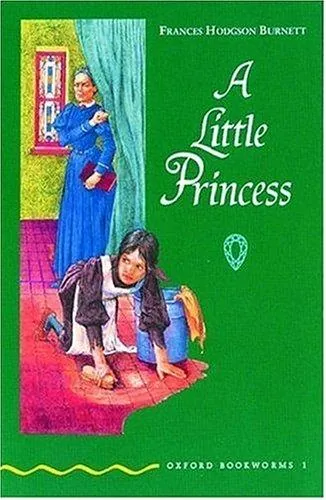
A Little Princess by Frances Hodgson Burnett
For readers who want more of the author, A Little Princess is the book. Sara Crewe, a rich girl reduced to poverty, keeps her imagination and her kindness through every humiliation - and the book is about the inner world that cannot be taken away.
The book shares The Secret Garden’s author and its theme: the inner growth that happens in the hardest circumstances. For readers who loved Burnett’s first masterpiece, this is the companion.
Content notes: A gentle classic, suitable for readers of all ages.
The Secret Garden and the Adult Reader
It is worth noting that The Secret Garden is not only a children’s book. Adult readers return to it for the same reasons they return to The Little Prince: the wisdom is not childish but childlike - the reminder that growth is slow, that nature heals, that attention brings things to life. The books on this list reward the adult reader exactly the same way, and the shelf is as much for the grown-up who needs the reminder as for the child who needs the story.
How to Choose Your Next Read
The right next book depends on what you are ready for. If you want the same healing: Anne of Green Gables or Heidi. If you want the optimism: Pollyanna. If you want the gentleness: The Little Prince or Charlotte’s Web. If you want the growth story: The Alchemist. If you want more of the author: A Little Princess.
There is no wrong order, but there is a sensible one: start with Anne of Green Gables for the same warmth, then Heidi for the same healing, then The Little Prince for the wisdom, and let the others fill in as you go.
A Note on the Garden as Metaphor
The secret garden works on at least two levels, and the reader who sees both gets twice the book. On the surface it is a literal garden: the walled plot of earth that Mary finds locked and dead, and brings back to life with Dickon’s help. But it is also a metaphor for everything the novel is about: the children themselves are locked gardens - Mary shut away by neglect, Colin shut away by illness and fear - and the revival of the garden is the revival of the children. The key to both is the same: attention, work and time.
This is why the book is so beloved by adult readers: the metaphor is available to anyone who has ever been a locked garden, or loved someone who was. The books on this list share the structure - the healing that comes through patient attention to something outside the self, whether it is a garden, a mountain, a friendship or a dream. Reading across the shelf is a way of watching the same key turn in different locks, and of being reminded that the locked garden can always be opened.
The Patience and Gratitude Shelf
The Secret Garden is, at its core, a book about patience - the slow, seasonal work of growth, and the trust that the growth is happening even when it cannot be seen. It belongs on the wider growth shelf, alongside the books that explore that quality. Our guide to meaningful patience for adults walks through the capacity that the garden teaches, and it pairs naturally with this reading - because the garden’s patience is the same patience the shelf describes.
The shelf also connects to gratitude, in a specific way: the book’s vision - the garden restored, the children healed, the world brought back to life - is a vision of gratitude for what grows. Our thoughtful guide to gratitude explores the practice that the book’s ending embodies, and it belongs with this reading because the garden is, at heart, a gratitude practice made visible. Together they form part of the growth section of our library, where the whole shelf of growth is gathered.
The Character of Mary Lennox
It is worth noticing how daring the book’s protagonist is: Mary Lennox is not lovable. She is spoiled, cross, plain and unpleasant - described by her own author as “the most disagreeable-looking child ever seen.” She arrives in Yorkshire disliked and disliking, and the reader has to watch her become worth loving. That is the point, and it is the reason the book is more than a children’s story: it is an argument that character is not fixed, that the spoiled child can become the caring one, that the garden can grow in anyone.
This is the lesson the books on this list share, and it is the one the reader carries longest: nobody in these stories is born good - Anne is an orphan with a temper, Mary is spoiled, Colin is a tyrant of illness - and each becomes good through the patient work of attention, nature and love. Reading across the shelf is a way of watching the same transformation happen in different children, and of being reminded that it is available to everyone - including the reader. The disagreeable child is where the story starts, not where it ends.
Conclusion
The Secret Garden became a beloved classic because it tells one of the most hopeful stories ever written - the story of things coming back to life, and of the children who come back with them. The books on this list are the honest responses to the question it leaves behind: what next?
The healing of Anne and Heidi and Pollyanna, the gentleness of the little prince and Charlotte, the growth of Santiago, and the warmth of Burnett’s other stories - together they carry the same truth in different voices: growth is slow, nature heals, and attention brings things to life. Read the notes, choose where you are, and let the books take their time.
Frequently Asked Questions
What should I read after The Secret Garden?
Is Anne of Green Gables like The Secret Garden?
What is the main theme of The Secret Garden?
Are there books like The Secret Garden for adults?
Which book is the closest in spirit to The Secret Garden?
Are these books suitable for children?
Featured Recommendations

Raining Book Editorial Team
The Raining Book editorial team curates the best book recommendations and reading guides for every type of reader.