Books Like The Little Prince
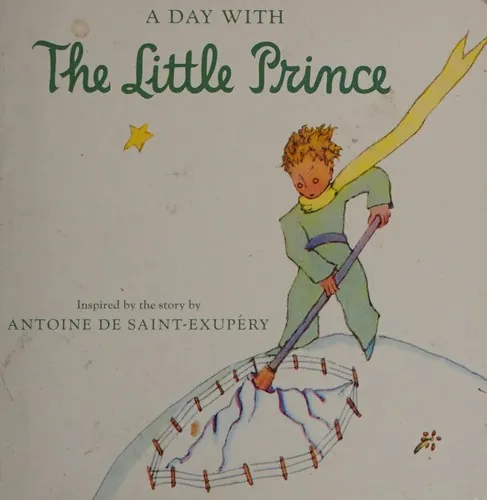
There is a specific feeling that comes from finishing The Little Prince: you have been gently reminded of what is essential, and you are not sure you will forget it this time. Antoine de Saint-Exupéry’s fable - the pilot stranded in the desert, the small prince from a tiny planet, the rose, the fox, the taming - has been read by tens of millions of people because it delivers more wisdom per page than almost anything ever written. “What is essential is invisible to the eye.” “You become responsible, forever, for what you have tamed.”
The book’s power is its spareness: a story simple enough for a child, deep enough for a lifetime, with the ink-and-watercolor drawings that are part of the experience. The problem after finishing it is the one every great book creates: you want more of the feeling, and more of the wisdom. This guide collects the books that genuinely belong on that shelf.
What Made The Little Prince Special
Before the recommendations, it is worth naming what you are actually looking for, because the right next book depends on which part of the book stayed with you.
If the gentleness stayed with you - the softness, the wonder, the permission to see the world as a child does - then the gentle fables will fit. If the wisdom stayed with you - the taming, the responsibility, the invisible essential - then the wisdom collections will be your natural next step. And if the journey stayed with you - the little prince’s travels, the planets, the lessons learned along the way - then the quest fables will carry it forward.
Most readers are looking for all three, and the books below cover the range.
The Gentle Fables
The Boy, the Mole, the Fox and the Horse by Charlie Mackesy
If there is one book that the Little Prince reader should pick up next, it is The Boy, the Mole, the Fox and the Horse. The kinship is immediate: the ink drawings, the handwritten wisdom, the gentle lessons about love, kindness and asking for help. “What is the bravest thing you’ve ever said?” asked the boy. “Help,” said the horse.
The two books are the same project: the gentle reminder of what matters, delivered in a form simple enough to carry it. Where The Little Prince uses the fable of the planets, Mackesy uses the friendship of four characters - and both arrive at the same place: love is the point, and what is essential is invisible to the eye.
Content notes: A gentle book, suitable for readers of all ages.
Jonathan Livingston Seagull by Richard Bach
For readers who want the gentle fable in its purest form, Jonathan Livingston Seagull is the book. The story of a seagull who refuses the ordinary life of his flock and dedicates himself to perfecting flight - discovering that the pursuit of excellence is itself the meaning - is short, luminous and quietly profound.
The book shares The Little Prince’s spareness: the simple story, the deeper truth, the beauty of the telling. For readers who want the feeling in an afternoon, this is the book.
Content notes: A gentle fable, suitable for readers of all ages.
Charlotte’s Web by E. B. White
For readers who want the gentle fable with a full story behind it, Charlotte’s Web is the essential choice. The friendship between Wilbur the pig and Charlotte the spider - the words woven into the web, the loyalty, the quiet passing - is one of the most beloved stories ever written, and it carries the same wisdom as The Little Prince: love is responsibility, and the invisible is the essential.
The book is the perfect bridge between the child’s story and the adult’s wisdom, and it belongs on every shelf that holds The Little Prince.
Content notes: A gentle classic, suitable for readers of all ages; deals with mortality with great tenderness.
The Wisdom Collections
The Prophet by Kahlil Gibran
For readers who want the wisdom distilled, The Prophet is the essential book. Gibran’s collection of poetic essays - on love, work, joy, sorrow, friendship, death - is spoken by a prophet as he prepares to leave the city where he has lived, and it has been a beloved source of wisdom for over a century.
The book is the closest thing to The Little Prince’s one-line truths in the literary canon: each chapter a complete teaching, the kind you return to the way you return to a favorite page. For readers who loved the spare wisdom and want more of it, this is the book.
Content notes: A gentle classic, suitable for a wide range of readers.
The Little Prince’s Lineages: Saint-Exupéry’s Other Works
For readers who want more of the author himself, Saint-Exupéry’s other works - Wind, Sand and Stars and Night Flight - carry the same themes in a different form. These are the books of the aviator: the solitude of flight, the desert, the stars, the meaning found in danger and duty.
The connection to The Little Prince is direct: the pilot in the fable is the author, and the wisdom of the fable is the wisdom he earned in the air. For readers who want the man behind the book, these are the works.
Content notes: Classic non-fiction and fiction; suitable for a wide range of readers.
The Quest Fables
The Alchemist by Paulo Coelho
For readers who want the gentle wisdom in the form of a longer journey, The Alchemist is the book. The fable of the shepherd Santiago, who travels across the desert in search of treasure and discovers it where he started, is the classic story of following your heart.
The book shares the conviction at the center of The Little Prince - that the journey matters, that love is the point, that the treasure is in the life you have. Where the little prince visits planets, Santiago crosses a desert; both arrive at the same discovery.
Content notes: A gentle fable, suitable for a wide range of readers.
Siddhartha by Hermann Hesse
For readers who want the quest fable at its most philosophical, Siddhartha is the book. Hesse’s story of a young man in ancient India who seeks enlightenment - through asceticism, through pleasure, through the river that finally teaches him - is the spiritual quest in its purest form.
The book is more austere than The Little Prince, but it shares the structure: the journey, the lessons, the discovery that the treasure is not at the end of the road but in the road itself.
Content notes: A gentle, contemplative novel suitable for readers from the mid-teens up.
The Wonder Books
The Secret Garden by Frances Hodgson Burnett
For readers who want the wonder of The Little Prince in a full-length story, The Secret Garden is the book. Mary Lennox, a lonely, spoiled child, is sent to a Yorkshire manor and discovers a hidden garden - and in bringing it back to life, brings herself and others back to life too.
The book shares the little prince’s vision: the world is full of wonder if you learn to see it, and the seeing is the beginning of the healing. It is a book about growth in both senses - the garden and the child.
Content notes: A gentle classic, suitable for readers of all ages.
Anne of Green Gables by L. M. Montgomery
For readers who want the wonder in the form of a bright, talkative child, Anne of Green Gables is the essential book. Anne Shirley, the orphan with the red hair and the overflowing imagination, finds a home at Green Gables - and her capacity for wonder transforms everyone around her.
The book shares the little prince’s gift for seeing the extraordinary in the ordinary - the lake that becomes the “Lake of Shining Waters,” the everyday made magical by attention. For readers who loved the wonder of the little prince, Anne is the same spirit in a warmer form.
Content notes: A gentle classic, suitable for readers of all ages.
How to Choose Your Next Read
The right next book depends on what you are ready for. If you want the same gentleness: The Boy, the Mole, the Fox and the Horse or Charlotte’s Web. If you want the wisdom distilled: The Prophet. If you want the journey: The Alchemist or Siddhartha. If you want the wonder: The Secret Garden or Anne of Green Gables. If you want the author: Wind, Sand and Stars.
There is no wrong order, but there is a sensible one: start with The Boy, the Mole, the Fox and the Horse for the kinship, then The Prophet for the wisdom, then The Alchemist for the journey, and let the wonder books carry the feeling forward.
A Note on Reading It at Every Age
One of the remarkable things about The Little Prince is that it is a different book at every age, and the difference is the reader, not the text. A child reads the adventure: the planets, the baobabs, the little prince’s journey. A young adult reads the love story: the rose, the taming, the responsibility. A middle-aged reader reads the losses: the pilot’s loneliness, the desert, the leaving. And an older reader reads the farewell: the book is, among other things, a meditation on what we carry of the people we lose.
The books on this list share that quality - they are books that grow with the reader, and the growth is part of the gift. The Prophet is read at weddings and funerals; The Alchemist is read at twenty and again at fifty and means something different each time. The practice is to return: not to collect the books but to let them collect the versions of yourself that have read them. The shelf is not finished when the books are read; it is finished when the reader has lived with them.
The Patience and Gratitude Shelf
The Little Prince is, at its core, a book about seeing truly - the patience to look beneath the surface, and the gratitude for what is essential and invisible. It belongs on the wider growth shelf, alongside the books that explore those qualities. Our thoughtful guide to patience walks through the capacity to slow down and see, and it pairs naturally with this reading - because the little prince’s whole lesson is that the essential requires patient attention.
The shelf also connects to gratitude, in a specific way: the book’s vision - the rose, the fox, the tamed and the responsible - is a vision of gratitude for what we have been given. Our best gratitude reading list collects the titles on that side of the project, and it belongs with this reading because the little prince’s wisdom is, at heart, a gratitude practice. Together they form part of the growth section of our library, where the whole shelf of gentleness is gathered.
The Grown-Ups in the Book
One of the quietest and sharpest things about The Little Prince is its satire of grown-ups. The little prince visits planets where each adult is reduced to a single obsession - the king who commands the stars, the conceited man who wants to be admired, the drunkard who drinks to forget, the businessman who counts the stars and owns them, the lamplighter who obeys a pointless order. Each is a warning: the grown-up who has forgotten what matters, who has traded the essential for the urgent, the real for the counted.
This is the part of the book that adults need most, and it is the part that makes the book different from ordinary children’s stories. The little prince is not just a child; he is the child the grown-ups have forgotten how to be - the reminder that the essential is invisible to the eye, and that the grown-up who cannot see it has lost the thing that made life worth living. The books on this list carry the same reminder in different forms, and reading them is a way of refusing the forgetting.
Conclusion
The Little Prince has been read by tens of millions of people because it delivers more wisdom per page than almost anything ever written - the gentle reminder that what is essential is invisible to the eye, and that you become responsible forever for what you have tamed. The books on this list are the honest responses to the question it leaves behind: what next?
The gentleness of Mackesy and White, the wisdom of Gibran, the journeys of Coelho and Hesse, and the wonder of Burnett and Montgomery - together they carry the same truth in different voices: love is the point, the essential is invisible, and the seeing is the beginning. Read the notes, choose where you are, and let the books take their time.
Frequently Asked Questions
What should I read after The Little Prince?
Is The Boy, the Mole, the Fox and the Horse like The Little Prince?
What is the difference between The Little Prince and The Alchemist?
Are there books like The Little Prince for children?
Which book is the closest in tone to The Little Prince?
Are these books suitable for all ages?
Featured Recommendations

Raining Book Editorial Team
The Raining Book editorial team curates the best book recommendations and reading guides for every type of reader.