Books Like The Alchemist
There is a specific feeling that comes from finishing The Alchemist: you want to believe again. Paulo Coelho’s fable of the shepherd Santiago, who travels across the desert in search of treasure and discovers it where he started, has been read by tens of millions of people because it encodes a truth in story - that following your personal legend is the adventure, that the journey itself is the meaning, and that the treasure was there all along.
The problem after finishing it is the one every great fable creates: you want more of the feeling - the wonder, the gentle wisdom, the belief in something beyond the ordinary. This guide collects the books that genuinely belong on that shelf: the spiritual quests, the fables, the stories of following your dream, and the modern novels that ask the same questions in contemporary settings.
What Made The Alchemist Special
Before the recommendations, it is worth naming what you are actually looking for, because the right next book depends on which part of The Alchemist stayed with you.
If the quest stayed with you - the journey, the tests, the discovery - then the spiritual quest novels will be your natural next step. If the fable stayed with you - the simple, parable-like telling - then the classic fables will fit. And if the message stayed with you - follow your personal legend, listen to your heart - then the purpose and meaning books will carry it forward.
Most readers are looking for all three, and the books below cover the range. Each one takes a piece of what The Alchemist gave you and builds on it.
The Spiritual Quests
Siddhartha by Hermann Hesse
If there is one book that belongs next to The Alchemist on every shelf, it is Siddhartha. Hermann Hesse’s classic follows a young man in ancient India who leaves his privileged life to seek enlightenment - through asceticism, through pleasure, through the river that finally teaches him what the sages could not.
The two books are the same quest told in two keys: Santiago’s journey across the desert is Siddhartha’s journey across a lifetime. Where The Alchemist is warm and accessible, Siddhartha is more philosophical and austere - but both end at the same discovery: the treasure is not at the end of the road; it is in the road itself, and in the self you become by traveling it.
Content notes: No difficult content; a gentle, contemplative novel suitable for readers from the mid-teens up.
The Pilgrimage by Paulo Coelho
For readers who want more of the author’s own voice, The Pilgrimage is the natural next step. Written before The Alchemist, it is Coelho’s account of his own journey along the medieval road to Santiago de Compostela - a pilgrimage in search of his sword, and with it, his personal legend.
The book is Coelho’s most autobiographical, and it shows the raw material from which The Alchemist was refined: the same themes of following the path, listening to the signs and facing the tests. For readers who loved the author’s wisdom, this is where it began.
Content notes: No difficult content; suitable for a wide range of readers.
Jonathan Livingston Seagull by Richard Bach
Jonathan Livingston Seagull is the closest thing to The Alchemist in American letters: a short, luminous fable about a seagull who refuses the ordinary life of his flock and dedicates himself to perfecting flight - and who discovers, in the process, that the pursuit of excellence is itself the meaning.
The book was a phenomenon in the 1970s for the same reason The Alchemist became one later: it takes a spiritual truth - that following your passion is the path to freedom - and tells it in a story simple enough to carry it. It is a quick read, and it is the one to give to someone who wants the feeling of The Alchemist in an afternoon.
Content notes: No difficult content; suitable for readers of all ages.
The Fables
The Little Prince by Antoine de Saint-Exupéry
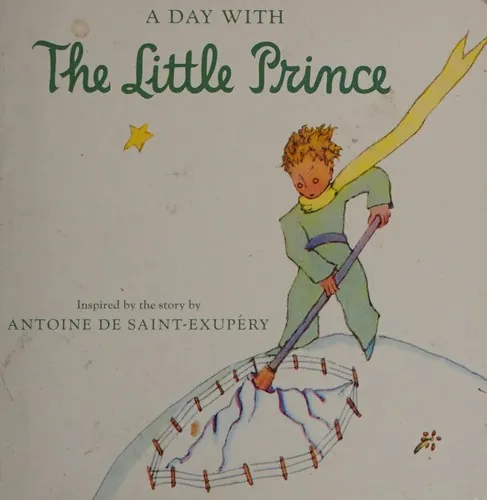
The Little Prince is the essential fable, and it belongs on this shelf because it is the book The Alchemist’s readers almost always love. A pilot stranded in the desert meets a small prince from another planet, and through their conversations - about the rose, the fox, the taming, the responsibility for what you love - the book delivers more wisdom per page than almost anything ever written.
Where The Alchemist is about following your dream, The Little Prince is about seeing truly: what is essential is invisible to the eye, and the things that matter are the ones you have tamed and taken responsibility for. It is the gentlest book on this list, and the deepest.
Content notes: No difficult content; a classic suitable for readers of all ages.
The Prophet by Kahlil Gibran
For readers who want the wisdom of The Alchemist without the journey, The Prophet is the book. Gibran’s collection of poetic essays - on love, work, joy, sorrow, freedom, death - is spoken by a prophet as he prepares to leave the city where he has lived, and it has been a beloved source of wisdom for over a century.
The book is not a story; it is a series of meditations, and that is its power. Each chapter is a complete teaching, and readers return to it the way others return to scripture. For the Alchemist reader, it is the distilled essence of the gentle wisdom the fable encodes.
Content notes: No difficult content; suitable for a wide range of readers.
Why the Fables Endure
Readers sometimes ask whether there are modern fables in the same spirit, and the honest answer is that the genre has been quiet - which makes the originals more valuable. The Little Prince, The Prophet and Jonathan Livingston Seagull are the canonical fables, and they reward rereading the way The Alchemist does: differently at each age, because the reader brings more to them each time.
The fable form itself is part of the appeal. A fable does not argue; it shows. It trusts the reader to find the meaning, which is why it can be read at eight and at eighty and be a different book each time. The Alchemist works the same way - and this is why its readers keep returning to the classics of the form, where the same trust is at work.
The Modern Quest Novels
The Midnight Library by Matt Haig
For readers who want the Alchemist’s questions in a contemporary novel, The Midnight Library is the modern classic. Nora Seed, its protagonist, is given the chance to try all the lives she might have lived - every road not taken - and must decide what makes a life worth living.
The novel is The Alchemist’s question in modern dress: the treasure is not in the grandest life but in the one you have, and the meaning is in the attention you bring to it. It is warm, absorbing and quietly profound - and it is the book that has introduced a new generation to the questions The Alchemist raised.
Content notes: The novel deals with depression and suicidal thoughts in its opening chapters; the overall arc is hopeful and life-affirming.
The Monk Who Sold His Ferrari by Robin Sharma
The Monk Who Sold His Ferrari is the modern self-help fable: a high-powered lawyer, exhausted by success, travels to the Himalayas and returns with the wisdom of a monk - the seven virtues of a purposeful life, told in story form.
The book is the most explicitly instructive on this list, and that is both its strength and its difference from The Alchemist: it teaches its lessons more directly. For readers who loved the wisdom of The Alchemist and want it made practical, this is the bridge.
Content notes: No difficult content; suitable for a wide range of readers.
How to Choose Your Next Read
The right next book depends on what you are ready for. If you want the spiritual quest deepened: Siddhartha. If you want more of Coelho himself: The Pilgrimage. If you want the fable in its purest form: The Little Prince or Jonathan Livingston Seagull. If you want the wisdom distilled: The Prophet. If you want the questions in a modern novel: The Midnight Library. If you want the wisdom made practical: The Monk Who Sold His Ferrari.
There is no wrong order, but there is a sensible one: start with the fables (The Little Prince, Jonathan Livingston Seagull), then the quests (Siddhartha), then the modern novels (The Midnight Library), and let the wisdom collections (The Prophet) deepen the reading as you go.
The Signs and the Journey
Readers of The Alchemist often remember the omens - the signs that guide Santiago along his path - and the books on this shelf share that language in different forms. In Siddhartha it is the river; in The Pilgrimage it is the road; in The Little Prince it is the fox’s teaching about what is essential. The signs are not magic; they are the story’s way of saying that attention is the beginning of the quest, and that the person who pays attention finds the path.
There is a practical lesson hiding in the omens: the journey is made of noticing. The reader who wants the Alchemist’s feeling in their own life is not waiting for a miracle; they are practicing attention - noticing what energizes them, what keeps returning, what the small events of the week are pointing toward. The books on this shelf are the written versions of that practice, and the practice is available without the magic.
How to Read This Shelf
The fables and quests on this list share a quality that rewards a particular way of reading: they are meant to be read slowly, and then reread. The Alchemist itself is famously a different book at fifteen and at forty-five, and the same is true of Siddhartha and The Little Prince - the story does not change, but the reader does, and the meaning the story yields changes with them. This is why the advice for this shelf is to resist the urge to rush through to the ending: the treasure of a fable is in the pausing.
There is also a case for reading one fable at a time, with space between them. The genre is concentrated - every page is doing symbolic work - and reading three quests in a row can blur them into one. Let each one settle before the next; the settling is where the wisdom lands. And when you finish a book, take a moment to ask the question it leaves: what is my own personal legend, and what is the next step of it? The fables are invitations, and the invitation is only fulfilled by the answering. These titles all belong to the growth section of our library, which keeps the whole purpose shelf together.
The Deeper Growth Shelf
The Alchemist is a purpose book wearing the clothes of a fable, and it belongs to the wider project of personal growth. The message - follow your personal legend, the journey is the meaning - is the same message the purpose literature delivers in non-fiction form. Our best self-discipline reading list collects the practical titles on the other side of that project: the books that show how the journey is actually sustained, day by day, when the desert stretches on.
The shelf also connects to the reading notes habit, in a specific way: fables reward the kind of reading that pauses and reflects. Our notes on self-discipline themes, values and reading notes explore how the same habit of attention - the pausing, the questioning, the applying - turns any book into a practice, and the fables of this list are exactly the books that practice was made for.
Conclusion
The Alchemist made tens of millions of readers believe in following their dreams, and the books on this list are the honest responses to the question it leaves behind: what next? The quests of Hesse and Coelho, the fables of Saint-Exupéry, Bach and Gibran, and the modern novels of Haig and Sharma - together they carry the same truth in different voices: the treasure is in the journey, and the journey is yours to take.
Read the notes, choose where you are, and let the books take their time. The Alchemist gave you the belief; these books give you the company - and together they keep the journey going.
Frequently Asked Questions
What should I read after The Alchemist?
Are there books like The Alchemist for young readers?
What is the difference between The Alchemist and Siddhartha?
Which book is most similar in tone to The Alchemist?
Are there modern books like The Alchemist?
Do these books contain difficult content?
Featured Recommendations

Raining Book Editorial Team
The Raining Book editorial team curates the best book recommendations and reading guides for every type of reader.