The American Sense of Place: A Literary Guide to Region and Identity
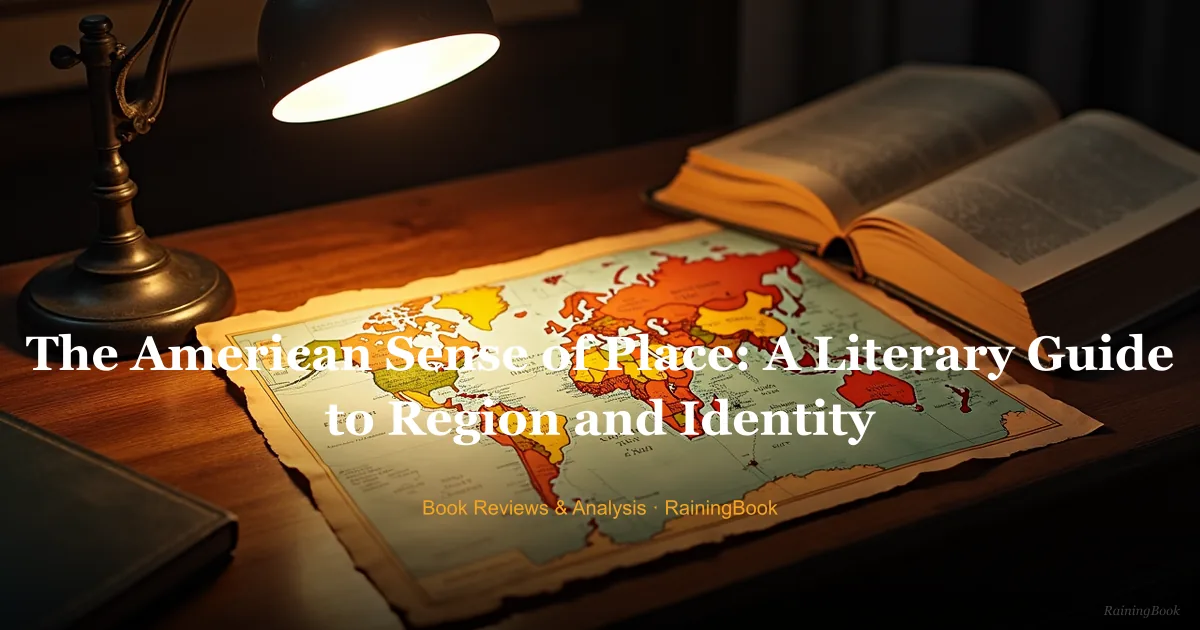
In American literature, “place” is far more than a decorative backdrop; it is a sentient force that exerts pressure on the narrative, a constraint that dictates a protagonist’s trajectory, and a primary wellspring of identity. For those who treasure the atmospheric depth found in works like Buckeye, there is a profound resonance in stories where the landscape and the soul are one and the same. Landscape is the gravity that prevents narrative drift. The following guide highlights several new works that map the distinct textures of American life, interrogating how the ground beneath our feet determines the people we become.
While the “spirit of the soil” metaphor is seductive, it is worth noting that many contemporary narratives complicate this romanticized view by exploring place as a site of erasure, gentrification, and contested memory. The novels examined here do not simply celebrate regional identity - they expose the fractures and contradictions that make place both a refuge and a prison.
Key Takeaways:
- Place functions as an active character, not just setting, shaping plot and psychology.
- Contemporary American fiction increasingly interrogates how geography intersects with class, race, and displacement.
- The best regional novels balance love for a location with a critical eye toward its limitations.
The Urban Palimpsest: New York’s Upper West Side
In Mark Kurlansky’s Cheesecake, the Upper West Side is rendered as a neighborhood in a state of precarious, high-stakes flux. The Katsikas family, Greek immigrants, have built a local sanctuary in “The Katz Brothers” diner, anchored by a secret: they keep goats in a Queens backyard to provide the authentic milk for their cheese. However, as the neighborhood gentrifies, the family rushes to keep pace, rebranding their homey establishment as “Mykonos” and chasing the prestige of “modern classical cuisine.”
Kurlansky uses a historical recipe - the oldest known, attributed to Cato - as a metaphor for this cultural palimpsest. The Upper West Side descends into a neighborhood-wide race to interpret this enigmatic dish, which calls for wheat flour and sheep’s milk to produce a “savory stodge” rather than the expected sweet cream. This irony underscores the neighborhood’s tension: the family adapts the ancient stodge into a critic-pleasing hit, only to use their success to buy up surrounding blocks and price out the very regulars who gave the neighborhood its life. The “modern classical” aspiration becomes the tool that erases the community it sought to elevate.
This tension between authenticity and commercialism is not unique to New York. The continued recognition of place-driven narratives by major literary institutions - such as the 2025 National Book Awards judges - underscores how deeply these themes resonate across the country.
The Heartland’s Hard Edges: Cleveland, Ohio
Hilary Plum’s State Champ moves away from urban transition toward a more ferocious and solitary regional protest. Set within a boarded-up abortion clinic in Cleveland following the enactment of a heartbeat law, the novel dissects the intersection of bodily autonomy and geographical entrapment.
The Setting: A Shuttered Clinic in Cleveland
The protagonist, Angela, is a college dropout and former high-school state champion runner who applies the masochistic discipline of the track to a grueling hunger strike. Plum grounds the reader in a deeply metal regional reality. Angela’s resistance is physical and messy; she sleeps on the clinic’s exam tables and uses the rolls of hygienic paper meant for patients as her diary. There are no seasonal distractions here, only the stark, sterile walls of a closed institution.
The Hunger Strike as Geography
Through these details, the narrative reclaims the Midwestern landscape not as a political talking point, but as a site of stubborn, individual endurance where the protagonist is responsible for the ghosts of those the clinic once served. The geography of the shuttered building becomes a character in its own right, constraining and defining Angela’s protest in ways that a more open setting could not.
The Ohioana Library, which celebrates the state’s literary heritage, has recognized works that grapple with the social landscape of the Midwest - including award finalists that tackle issues of bodily autonomy and resilience. For a broader overview of works that define the region, explore our Contemporary Literary Landscape 2025 mindmap.
The Rhythms of the Fog: San Francisco’s Postal Routes
The San Francisco of J.B. Hwang’s Mendell Station is a city of faith eroded by the onset of the 2020 pandemic. Miriam, a former Scripture teacher who has lost both her best friend, Esther, and her belief in God, joins the postal service just as the city begins to shutter. Here, the geography of San Francisco - the iconic hills and the persistent, shifting fog - facilitates a specific kind of deliverance through peculiar rhythms.
As Miriam navigates her route, the mail truck serves as a mobile confessional that can hardly outpace the memory of her loss. She spends her quotidian labors of love composing letters to the deceased Esther that she will never deliver. The environmental details of early pandemic San Francisco - the quiet streets and the essential, repetitive motion of the route - illustrate how a landscape of isolation can eventually offer a path toward healing. It is a portrait of grief mapped onto the very asphalt of the city.
The Burning Coast: Future Los Angeles and Orange County
California is presented as a state of nerve-shredding contrasts in two vastly different narratives.
Los Angeles: The Tinderbox Future
Jonathan Parks-Ramage’s It’s Not the End of the World depicts a 2044 Los Angeles where the uber-wealthy retreat into gilded cages. Inside a mansion, a couple hosts a $100,000 baby shower; outside, the landscape is defined by relentless wildfires, rampant authoritarianism, and the proliferation of violent right-wing militias. This Los Angeles is a study in the mounting chaos of a society pushed to its breaking point, where the geography is a literal and figurative tinderbox.
Orange County: Suburban Absurdity
Conversely, Tamara Yajia’s Cry for Me, Argentina explores the absurdity of the immigrant experience in the suburbs of Orange County. This is a landscape of strip malls and a food stand called “Sexy Chicken.” Yajia’s memoir navigates a family history that includes an OnlyFans-model mother and a salami obsessed poppers salesman grandfather. The absurdity of the regional immigrant dream reaches its zenith when Yajia, as a pre-teen performer, strips down to a garter belt in front of a crowd of rabbis. It is a gritty, blazing look at the ambition required to survive the suburban sprawl of Southern California.
A Literary Map: Recommendations by US Region
The following table organizes these works to help you navigate the diverse cultural geographies of the contemporary American experience. For a visual representation, download our infographic of the American literary landscape.
| Region | Book | Author | Theme / Setting |
|---|---|---|---|
| Northeast (New York) | Cheesecake | Mark Kurlansky | Gentrification and the savory stodge of heritage on the Upper West Side |
| Midwest (Ohio) | State Champ | Hilary Plum | Bodily autonomy and masochistic discipline in a shuttered Cleveland clinic |
| West Coast (San Francisco) | Mendell Station | J.B. Hwang | Grief and essential labor in a city under shutdown |
| West Coast (Los Angeles) | It’s Not the End of the World | Jonathan Parks-Ramage | Climate thriller on the divide between wealth and chaos |
| West Coast (Orange County) | Cry for Me, Argentina | Tamara Yajia | Absurdist memoir of immigrant ambition and suburban grit |
| South (Florida) | The Tiny Things are Heavier | Esther Ifesinachi Okonkwo | Nigerian immigrant experience in Tallahassee |
For a deeper dive into the mechanics of place in fiction, download our slide deck on literary geography - it covers the architecture of setting, from palimpsest to pastoral.
Expert Analysis: The Double Edge of Regional Authenticity
One recurring tension across these novels is the uneasy relationship between place as a source of authenticity and place as a commodity. Kurlansky’s Cheesecake brilliantly exposes how chasing “modern classical” cachet can erase the very community it seeks to honor - a warning that echoes in the efforts of university presses that continue to champion regional voices. For instance, the University of Illinois Press’s publication of Lingering Inland and the Ohio State University Press’s catalog demonstrate a commitment to place-based literature that resists homogenization.
Yet no single book can capture the full complexity of a region. State Champ, for all its raw power, focuses on a single crisis; it does not pretend to speak for all of Ohio. The Writer’s Chronicle preview of Lake Song similarly reminds us that the Midwest contains multitudes, from industrial towns to quiet lake communities. The strength of these works lies less in their claim to represent a place than in their willingness to let a specific landscape inflect the story’s emotional logic.
This same dynamic plays out in the intimate settings that anchor some of the most beloved contemporary fiction. For readers who love how place shapes community and identity, our small-town romance guide to cozy fictional communities explores how these tight-knit landscapes create the conditions for found family, hidden histories, and unexpected belonging - proving that a strong sense of place need not be grand to be transformative.
Conclusion: Carrying the Landscape with Us
These writers demonstrate that a well-crafted book does more than transport us; it allows us to inhabit the spirit of the soil. Whether exploring the sharp knife of grief that cuts through an isolated ward in a hospital or the blazing sense of humor required to survive a food stand in the suburbs, these stories are tethered to the unique gravity of their settings. By honoring specific American geographies, these authors ensure that their universal themes of belonging and ambition remain as enduring and as tangible as the landscapes they describe.
The same instinct that draws us to these regional narratives - the desire to feel grounded in a particular time and place - also shapes how we choose our next book. Just as place defines identity in fiction, finding the right story can feel like coming home. For readers searching for that perfect next read, our guide to Emily Henry effect read-alikes for soulmate stories offers a pathway to narratives that capture the emotional geography of love and belonging with the same vivid specificity. And to test your knowledge of literary geography and deepen your understanding of how place shapes fiction, try our Literature Quiz or reinforce key concepts with Literature Flashcards. For a broader view of how place shapes story, explore our mindmap on books and authors of 2025-2026.
View Infographic
Visual summary of this article
Download Resources
Free PDF reading guide and reference materials
Frequently Asked Questions
What is 'sense of place' in literature?
What are the best American regional novels?
How does geography shape American identity in fiction?
What is an 'urban palimpsest' in literary criticism?

Editorial Team
The Raining Book editorial team curates the best book recommendations and reading guides for every type of reader.
Related Posts
The Best Closed-Setting Thrillers: Books With No Escape
From luxury bunkers to stalled trains and buried containers, closed-setting thrillers trap characters with no escape. Explore our expert guide to the most chilling books where the setting itself is the antagonist.
The Buffalo Hunter Hunter and the Rise of Contemporary Indigenous Fiction: A Reader's Guide
Explore Stephen Graham Jones's The Buffalo Hunter Hunter alongside the most vital Indigenous fiction of the era. Themes of sovereignty, healing, and historical reckoning.
The Soil That Remembers: A Guide to the Gothic and Folk Horror Revival
Explore the lyrical turn in horror: botanical nightmares, Indigenous gothic, and the weight of the soil. Discover 2026's must-read dark fiction.